
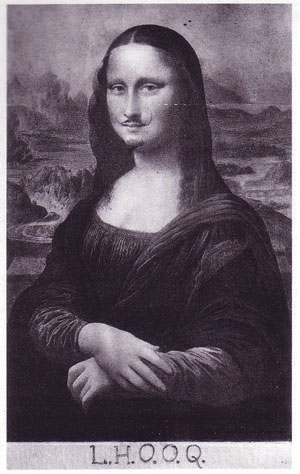
The Mystery of the Mona Lisa Original Painting
The Mona Lisa, painted by the renowned artist Leonardo da Vinci in the early 16th century, is perhaps one of the most famous and enigmatic artworks in history. This masterpiece, also known as La Gioconda, has captivated audiences for centuries with its enigmatic smile and mysterious aura.
What makes the Mona Lisa truly unique is not just its subject matter or technique, but also the many unanswered questions that surround it. Who was the woman depicted in the painting? What was the significance of her smile? And why did Leonardo da Vinci choose to create such a mesmerising work?
One of the most intriguing aspects of the Mona Lisa is its composition and technique. Da Vinci employed a revolutionary painting style known as sfumato, which involves subtle blending of colours and tones to create a soft, hazy effect. This technique gives the painting a sense of depth and realism that was unprecedented at the time.
Another aspect that adds to the mystique of the Mona Lisa is its provenance and history. The painting has survived centuries of wars, theft attempts, and scrutiny, yet it remains remarkably well-preserved. Its journey from Leonardo da Vinci’s studio to its current home in the Louvre Museum in Paris is a tale shrouded in mystery and intrigue.
Despite countless studies and analyses, experts continue to uncover new details about the Mona Lisa original painting. From hidden symbols to possible self-portraits within the artwork, each discovery adds another layer to its enigmatic charm.
Today, visitors from around the world flock to see this iconic masterpiece in person, hoping to catch a glimpse of its elusive smile and unravel its secrets. The Mona Lisa continues to be a symbol of artistic brilliance and human curiosity, reminding us of the enduring power of great art.
Exploring the Mysteries of the Mona Lisa: 8 Fascinating Insights into Leonardo da Vinci’s Masterpiece
- The Mona Lisa is housed in the Louvre Museum in Paris, France.
- It was painted by Leonardo da Vinci in the early 16th century.
- The painting is known for the subject’s enigmatic smile.
- Mona Lisa’s eyes appear to follow viewers as they move around the room.
- The background of the painting features a hazy landscape with rivers and mountains.
- The Mona Lisa is painted on a poplar wood panel.
- Leonardo da Vinci likely worked on the painting for several years, making subtle changes and adjustments.
- The Mona Lisa is one of the most famous and valuable paintings in the world.
The Mona Lisa is housed in the Louvre Museum in Paris, France.
The Mona Lisa, one of the most famous paintings in the world, is housed in the prestigious Louvre Museum in Paris, France. This iconic artwork by Leonardo da Vinci attracts millions of visitors each year who come from far and wide to witness its enigmatic beauty up close. Displayed in a climate-controlled setting to ensure its preservation, the Mona Lisa remains a symbol of artistic mastery and intrigue, captivating all who are fortunate enough to gaze upon it within the walls of the magnificent Louvre Museum.
It was painted by Leonardo da Vinci in the early 16th century.
The Mona Lisa, an iconic masterpiece shrouded in mystery and allure, was skillfully painted by the legendary artist Leonardo da Vinci during the early 16th century. Leonardo’s unparalleled artistic talent and innovative techniques are evident in this captivating portrait, which continues to fascinate and intrigue audiences worldwide centuries after its creation. The enigmatic smile of the Mona Lisa and the intricate details of the painting serve as a testament to da Vinci’s genius and enduring legacy in the realm of art history.
The painting is known for the subject’s enigmatic smile.
The Mona Lisa original painting by Leonardo da Vinci is renowned for the subject’s enigmatic smile, a feature that has intrigued viewers for centuries. The subtle and mysterious expression on the woman’s face has sparked endless speculation and interpretation, adding to the painting’s allure and mystique. The enigmatic smile of the Mona Lisa continues to captivate art enthusiasts and scholars alike, inviting them to ponder the secrets hidden behind her gaze and the emotions she conveys through this iconic feature.
Mona Lisa’s eyes appear to follow viewers as they move around the room.
One of the fascinating aspects of the Mona Lisa original painting is the illusion that her eyes seem to track viewers as they move around the room. This optical effect, known as the “Mona Lisa Effect,” adds an eerie sense of life and engagement to the portrait, making it feel as though the enigmatic subject is following your every move with her gaze. This subtle yet compelling detail further enhances the mystique and allure of Leonardo da Vinci’s masterpiece, inviting viewers to ponder the secrets hidden within those captivating eyes.
The background of the painting features a hazy landscape with rivers and mountains.
The background of the Mona Lisa original painting is a mesmerising depiction of a hazy landscape, showcasing serene rivers winding their way through majestic mountains. Leonardo da Vinci’s masterful use of sfumato technique in creating this backdrop adds a sense of depth and mystery to the artwork, enhancing the enigmatic charm that surrounds the iconic portrait. The soft blending of colours and tones in the background not only complements the central figure of the Mona Lisa but also invites viewers to immerse themselves in a tranquil yet captivating natural setting that serves as a perfect contrast to the subject’s enigmatic smile.
The Mona Lisa is painted on a poplar wood panel.
The Mona Lisa, one of the most celebrated paintings in art history, is a masterpiece created by Leonardo da Vinci on a poplar wood panel. This choice of material adds a unique dimension to the painting, as the texture and grain of the wood subtly influence the overall appearance of the artwork. The use of poplar wood panel not only showcases da Vinci’s mastery in working with different mediums but also contributes to the enduring legacy and mystique of the Mona Lisa original painting.
Leonardo da Vinci likely worked on the painting for several years, making subtle changes and adjustments.
Leonardo da Vinci’s meticulous approach to the Mona Lisa original painting is a testament to his dedication and artistic vision. It is widely believed that he spent several years crafting this masterpiece, painstakingly making subtle changes and adjustments to achieve the desired effect. This prolonged process of refinement not only showcases da Vinci’s technical skill but also highlights his commitment to perfection and attention to detail. Each brushstroke and nuance in the painting reflects the artist’s unwavering pursuit of excellence, resulting in a work of art that continues to intrigue and inspire viewers centuries later.
The Mona Lisa is one of the most famous and valuable paintings in the world.
The Mona Lisa stands as one of the most renowned and valuable paintings globally, captivating audiences with its enigmatic charm and artistic brilliance. As a symbol of artistic mastery and cultural significance, this masterpiece by Leonardo da Vinci holds a revered place in the art world. Its intrinsic value goes beyond monetary worth, resonating with viewers on a profound level and inviting contemplation of its timeless allure.