
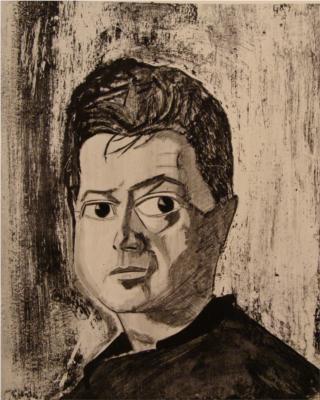
The Enigmatic World of Francis Bacon Paintings
Francis Bacon, the renowned Irish-born British painter, is celebrated for his bold and provocative works that continue to captivate audiences around the world. Born in 1909, Bacon’s art defies categorisation, blending elements of surrealism and abstraction to create visceral and haunting images that delve into the depths of human emotion.
Bacon’s paintings often feature distorted figures in contorted poses, evoking a sense of raw intensity and existential angst. His use of bold colours and expressive brushwork adds to the sense of unease and disquiet that permeates his work, inviting viewers to confront their own vulnerabilities and fears.
One of Bacon’s most famous works is “Three Studies for Figures at the Base of a Crucifixion” (1944), which is considered a seminal piece in his oeuvre. The triptych showcases three nightmarish figures against a stark background, their faces contorted in agony and despair. This painting exemplifies Bacon’s ability to evoke a sense of primal emotion through his art.
Throughout his career, Bacon continued to push boundaries and challenge conventions with his unflinching exploration of the human condition. His later works, such as “Study after Velázquez’s Portrait of Pope Innocent X” (1953), further demonstrate his mastery of form and composition, as well as his ability to imbue his subjects with a sense of psychological depth.
Despite the dark themes that pervade much of his work, Bacon’s paintings are also imbued with a sense of beauty and sensuality that adds an additional layer of complexity to his art. His ability to balance light and shadow, chaos and order, creates a dynamic tension that draws viewers into his enigmatic world.
Francis Bacon’s legacy as one of the most influential painters of the 20th century endures to this day. His uncompromising vision and fearless exploration of the human psyche continue to inspire artists and art lovers alike, ensuring that his powerful legacy will live on for generations to come.
Exploring the Art of Francis Bacon: Key Questions and Insights
- Who was Francis Bacon and why is he famous?
- What are the key characteristics of Francis Bacon’s paintings?
- What themes did Francis Bacon explore in his artwork?
- How did Francis Bacon’s background influence his art?
- Which are some of the most famous paintings by Francis Bacon?
- What techniques did Francis Bacon use in his paintings?
- How has Francis Bacon’s art influenced modern artists?
Who was Francis Bacon and why is he famous?
Francis Bacon was a prominent Irish-born British painter known for his bold and provocative artworks that challenged traditional artistic conventions. He rose to fame for his distinctive style, which blended elements of surrealism and abstraction to create visceral and haunting images that delved deep into the complexities of human emotion. Bacon’s paintings often featured distorted figures in contorted poses, evoking a raw intensity and existential angst that resonated with viewers. His ability to capture the raw essence of human experience through his art, coupled with his unflinching exploration of the darker aspects of humanity, cemented his reputation as one of the most influential painters of the 20th century.
What are the key characteristics of Francis Bacon’s paintings?
Francis Bacon’s paintings are renowned for their bold and provocative nature, characterised by distorted figures in contorted poses that evoke a sense of raw intensity and existential angst. Key characteristics of Bacon’s work include his use of bold colours and expressive brushwork, which contribute to the overall sense of unease and disquiet that permeates his art. His ability to capture the depths of human emotion through visceral imagery, as seen in works like “Three Studies for Figures at the Base of a Crucifixion,” showcases his talent for conveying primal emotions through his unique artistic language. Additionally, Bacon’s exploration of light and shadow, chaos and order, adds a layer of complexity to his paintings, inviting viewers to confront their own vulnerabilities and fears within the enigmatic world he creates on canvas.
What themes did Francis Bacon explore in his artwork?
Francis Bacon, the iconic painter known for his provocative and visceral works, delved into a wide array of themes in his artwork. One of the central themes that Bacon explored was the human condition, often depicting figures in states of anguish, isolation, and existential despair. His paintings also frequently grapple with themes of mortality, violence, and the fragility of life. Bacon’s art is a profound exploration of emotion and psychology, delving into the depths of human experience with raw intensity and unflinching honesty. Through his distorted figures and haunting compositions, Bacon invites viewers to confront their own vulnerabilities and fears, creating a powerful dialogue between art and the complexities of existence.
How did Francis Bacon’s background influence his art?
Francis Bacon’s tumultuous background undeniably left a profound imprint on his art, shaping both the content and style of his paintings. Born in Dublin in 1909, Bacon experienced a childhood marked by tragedy, conflict, and personal turmoil. His complex relationship with his father, who disapproved of his artistic pursuits, as well as the societal upheavals of the time, including World War I and II, deeply influenced his worldview and artistic sensibilities. This background of emotional turbulence and existential questioning manifested itself in Bacon’s art through themes of isolation, violence, and existential angst. The raw intensity and visceral quality of his work can be seen as a reflection of the inner turmoil that he grappled with throughout his life. Bacon’s art serves as a powerful testament to the enduring impact of personal history on artistic expression.
Which are some of the most famous paintings by Francis Bacon?
Francis Bacon, the iconic artist known for his provocative and intense works, has created several renowned paintings that have left a lasting impact on the art world. Some of his most famous pieces include “Three Studies for Figures at the Base of a Crucifixion” (1944), a haunting triptych that embodies Bacon’s visceral and emotive style. Another notable work is “Study after Velázquez’s Portrait of Pope Innocent X” (1953), which showcases Bacon’s mastery of capturing psychological depth and complexity in his subjects. These paintings, among others in Bacon’s prolific career, continue to captivate audiences with their raw emotion and striking visual language.
What techniques did Francis Bacon use in his paintings?
Francis Bacon, known for his distinctive and evocative paintings, employed a variety of unconventional techniques to bring his artistic vision to life. One of his signature methods was the use of bold and expressive brushwork, which added a sense of raw energy and emotion to his compositions. Bacon also often employed a technique known as “wet into wet,” where he applied paint onto wet surfaces to create fluid and dynamic textures. Additionally, his use of distorted figures and contorted poses contributed to the unsettling and visceral quality that defines much of his work. Overall, Bacon’s innovative approach to painting, coupled with his fearless exploration of human emotion and existential themes, continues to intrigue and inspire art enthusiasts worldwide.
How has Francis Bacon’s art influenced modern artists?
Francis Bacon’s art has had a profound impact on modern artists, influencing them in various ways. His bold and provocative approach to painting, characterized by distorted figures and visceral emotion, has inspired contemporary artists to explore the darker aspects of human existence and psychology. Bacon’s use of intense colours, expressive brushwork, and raw emotion has encouraged artists to push boundaries and challenge traditional artistic conventions. His ability to convey deep psychological truths through his work has resonated with many artists seeking to delve into the complexities of the human experience. Overall, Francis Bacon’s art continues to serve as a source of inspiration for modern artists looking to infuse their work with intensity, emotion, and a profound sense of humanity.