
The Captivating World of Paul Klee’s Artwork
Paul Klee, a Swiss-German artist renowned for his unique style and innovative approach to art, continues to captivate audiences with his thought-provoking and visually stunning creations. Born in 1879, Klee’s work spans a wide range of mediums, including painting, drawing, and printmaking, each showcasing his distinctive blend of colour, line, and form.
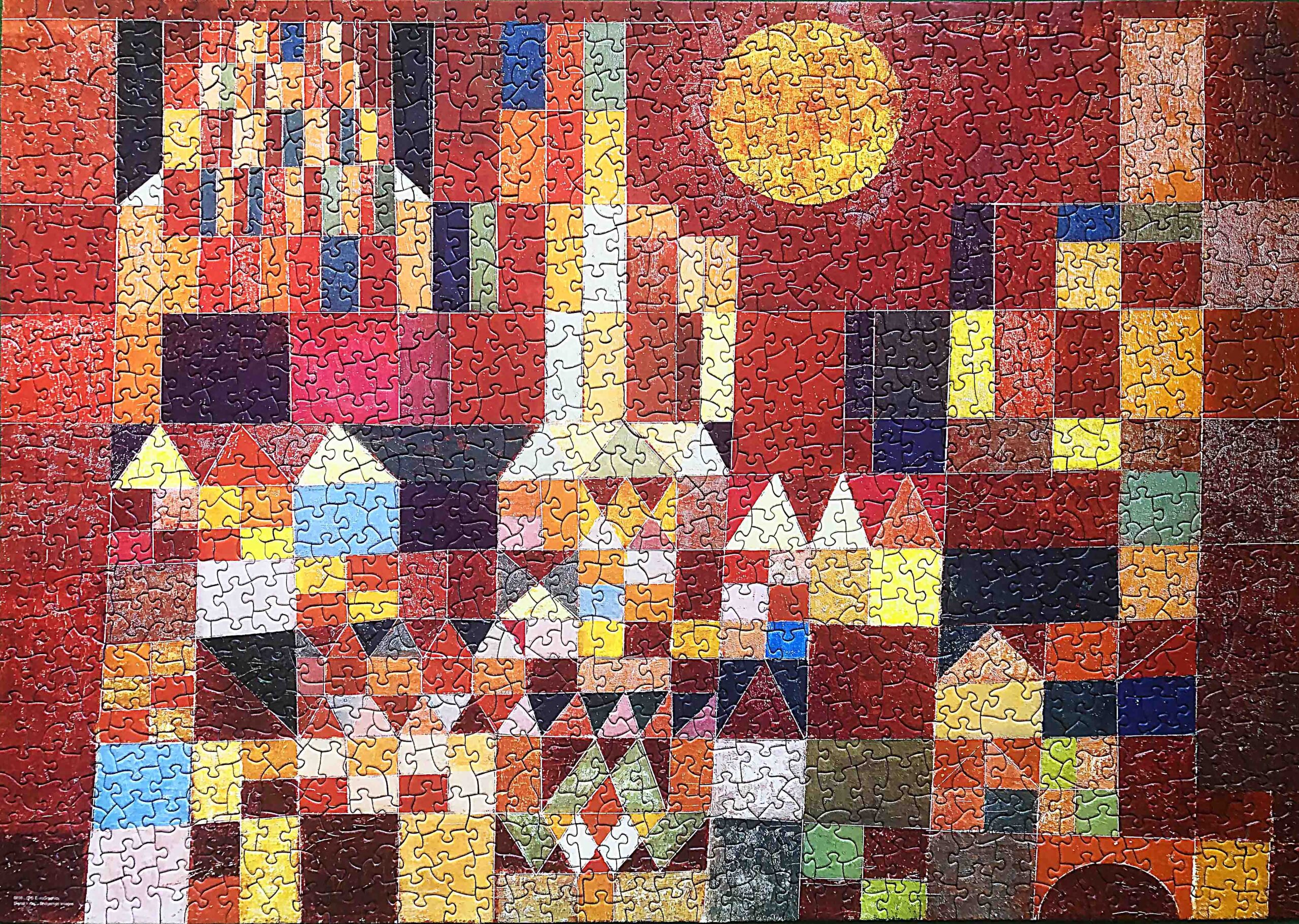
Klee’s artwork is characterised by its whimsical and dreamlike quality, often inspired by nature, music, and the subconscious mind. His use of geometric shapes, bold colours, and intricate patterns creates a visual language that invites viewers to explore deeper layers of meaning and emotion.
One of Klee’s most famous works is “Senecio,” a portrait that exemplifies his mastery of abstract expressionism. The painting features a face composed of colourful geometric shapes that seem to dance across the canvas, challenging traditional notions of portraiture and representation.
Throughout his career, Klee experimented with various artistic techniques and styles, constantly pushing the boundaries of what art could be. His playful approach to composition and form reflects his belief in the power of art to transcend boundaries and connect with viewers on a profound level.
Today, Klee’s legacy lives on through exhibitions around the world that celebrate his innovative spirit and enduring influence on modern art. His work continues to inspire artists and art lovers alike, reminding us of the boundless possibilities that creativity can unlock.
Whether you are a seasoned art enthusiast or simply curious about exploring new artistic horizons, delving into the captivating world of Paul Klee’s artwork is sure to be a transformative experience that leaves a lasting impression on your heart and mind.
Exploring the Whimsical World of Paul Klee: Six Insights into His Artistic Mastery
- Paul Klee was a Swiss-German artist known for his unique style that combined elements of Expressionism, Cubism, and Surrealism.
- His artworks often feature bold colours, geometric shapes, and intricate patterns that reflect his interest in music and nature.
- Klee’s use of line is distinctive, with delicate and precise lines creating intricate compositions that invite viewers to explore the details.
- He was also a skilled draughtsman, incorporating various techniques such as watercolour painting, oil transfer, and pen drawing in his works.
- Klee’s art is often whimsical and playful, with dreamlike imagery and symbolic elements that evoke emotions and imagination in the viewer.
- Exploring Klee’s diverse body of work reveals a deep connection to spirituality, philosophy, and the subconscious mind.
Paul Klee was a Swiss-German artist known for his unique style that combined elements of Expressionism, Cubism, and Surrealism.
Paul Klee, a Swiss-German artist known for his unique style that combined elements of Expressionism, Cubism, and Surrealism, stands out as a visionary in the world of modern art. His innovative approach to blending these diverse artistic movements resulted in a body of work that is both visually striking and intellectually stimulating. Klee’s ability to seamlessly integrate different styles and techniques speaks to his creative genius and his enduring influence on the evolution of art.
His artworks often feature bold colours, geometric shapes, and intricate patterns that reflect his interest in music and nature.
Paul Klee’s artistic brilliance shines through in his captivating artworks, where bold colours, geometric shapes, and intricate patterns converge to create a visual symphony that echoes his profound connection to music and nature. Each brushstroke and line in Klee’s pieces serves as a testament to his innovative exploration of form and structure, inviting viewers to immerse themselves in a world where art becomes a harmonious blend of the tangible and the ethereal. Through his masterful use of colour and shape, Klee bridges the gap between artistic expression and emotional resonance, leaving an indelible mark on those who are fortunate enough to witness the beauty of his creations.
Klee’s use of line is distinctive, with delicate and precise lines creating intricate compositions that invite viewers to explore the details.
Paul Klee’s artistic brilliance shines through in his distinctive use of line, where delicate and precise strokes come together to form intricate compositions that beckon viewers to delve into the rich tapestry of details within his artwork. Each line in Klee’s creations serves a purpose, guiding the eye through a visual journey that reveals hidden nuances and subtle complexities, showcasing his mastery in capturing both the essence of his subjects and the depth of his artistic vision.
He was also a skilled draughtsman, incorporating various techniques such as watercolour painting, oil transfer, and pen drawing in his works.
Paul Klee’s artistic prowess extended beyond painting, showcasing his versatility as a skilled draughtsman. Incorporating a range of techniques including watercolour painting, oil transfer, and pen drawing, Klee’s works exemplified his mastery of different mediums. His ability to seamlessly blend these techniques added depth and complexity to his art, highlighting his innovative approach to visual expression.
Klee’s art is often whimsical and playful, with dreamlike imagery and symbolic elements that evoke emotions and imagination in the viewer.
Paul Klee’s art is a delightful blend of whimsy and playfulness, characterised by dreamlike imagery and symbolic elements that stir emotions and ignite the imagination of the viewer. His creations transport us to a realm where reality intertwines with fantasy, inviting us to explore the depths of our subconscious minds and embrace the enchanting world he so masterfully crafts on canvas. Through his unique artistic language, Klee captivates audiences with a sense of wonder and curiosity, leaving a lasting impression that lingers long after we have gazed upon his mesmerising works.
Exploring Klee’s diverse body of work reveals a deep connection to spirituality, philosophy, and the subconscious mind.
Exploring Paul Klee’s diverse body of work unveils a profound connection to spirituality, philosophy, and the subconscious mind. Through his art, Klee delved into the realms of the unseen and the intangible, using vibrant colours and intricate forms to express complex ideas and emotions. His paintings serve as windows into a world where the spiritual and the philosophical converge, inviting viewers to contemplate deeper truths and hidden meanings within the layers of his creations. Klee’s ability to capture the essence of human experience through his unique visual language is a testament to his deep understanding of the interconnectedness between art, spirituality, and the mysteries of the mind.