
The Beauty of Dog Artwork
Throughout history, dogs have been a beloved subject in art, capturing the hearts of artists and viewers alike. From playful puppies to noble hounds, dog artwork celebrates the unique bond between humans and their canine companions.
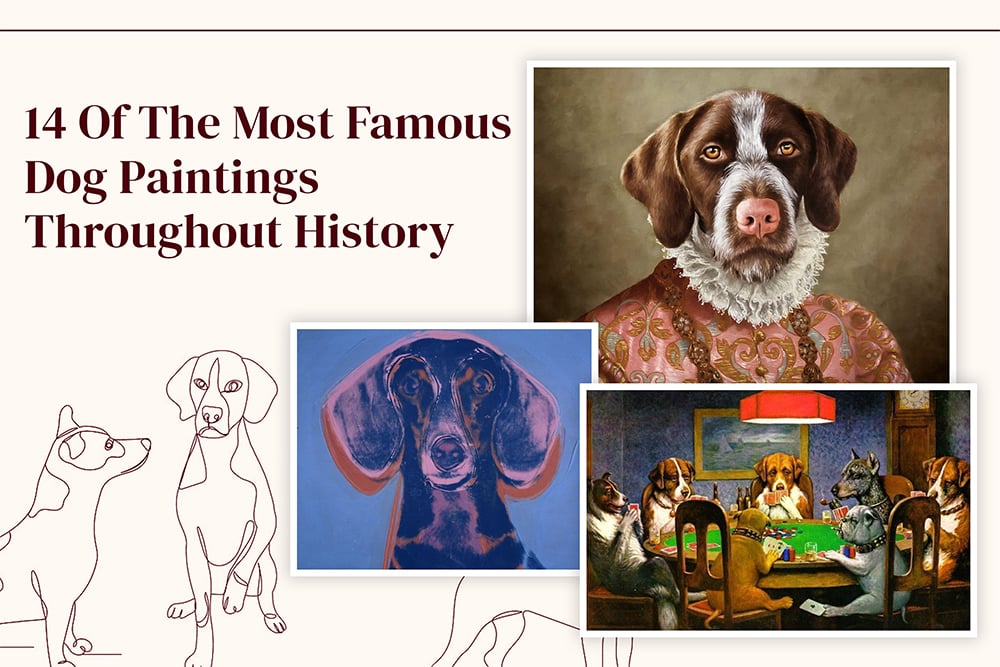
One of the most famous examples of dog artwork is “Dogs Playing Poker” by Cassius Marcellus Coolidge. This iconic series of paintings depicts anthropomorphic dogs engaged in a friendly game of poker, showcasing the whimsical side of canine imagery.
Many artists choose to portray dogs in a more realistic light, capturing their loyalty, intelligence, and playful nature with intricate detail and emotional depth. Whether through oil paintings, watercolours, or sculptures, dog artwork has the power to evoke a range of emotions in its viewers.
Some artists focus on specific breeds, highlighting the unique characteristics and personalities that make each dog breed special. Others prefer to depict dogs in everyday settings, showcasing their interactions with humans and other animals.
Regardless of the style or medium used, dog artwork serves as a tribute to man’s best friend and a celebration of the joy and companionship that dogs bring into our lives. Whether displayed in galleries, homes, or public spaces, these works remind us of the unconditional love and loyalty that define our relationship with these remarkable creatures.
So next time you come across a piece of dog artwork, take a moment to appreciate the beauty and significance behind it. Let yourself be captivated by the charm and charisma of these furry friends immortalised on canvas or in clay.
Mastering Dog Artwork: 8 Essential Tips for Creating Stunning Canine Portraits
- Use high-quality materials for a professional finish.
- Capture the unique personality of the dog in your artwork.
- Experiment with different styles, such as realism or abstract, to find your niche.
- Pay attention to details like fur texture and facial expressions for a lifelike portrayal.
- Consider using reference photos to guide your composition and colour choices.
- Practice regularly to improve your skills and develop your own artistic voice.
- Don’t be afraid to try new techniques or mediums to keep your work fresh and exciting.
- Share your dog artwork with others to receive feedback and gain exposure.
Use high-quality materials for a professional finish.
When creating dog artwork, it is essential to use high-quality materials to achieve a professional finish. Investing in top-notch paints, brushes, and canvases can make a significant difference in the final outcome of your piece. Quality materials not only enhance the visual appeal of the artwork but also ensure its longevity and durability. By using premium supplies, artists can capture the essence and beauty of dogs with precision and finesse, resulting in stunning creations that stand the test of time.
Capture the unique personality of the dog in your artwork.
When creating dog artwork, it is essential to capture the unique personality of the dog to truly bring the piece to life. Whether it’s a mischievous glint in their eye, a wagging tail full of excitement, or a gentle gaze filled with love, these subtle nuances define each dog’s individuality. By focusing on these distinctive traits and incorporating them into your artwork, you can create a piece that not only showcases the physical appearance of the dog but also captures their essence and spirit. This attention to detail adds depth and authenticity to the portrayal, allowing viewers to connect with the artwork on a personal level and appreciate the beauty of each dog’s distinct personality.
Experiment with different styles, such as realism or abstract, to find your niche.
When exploring the world of dog artwork, it is essential to experiment with various styles, whether it be realism or abstract, to discover your unique niche. By trying out different artistic approaches, you can uncover the style that best resonates with your vision and captures the essence of dogs in a way that speaks to you. Embracing experimentation allows for creative growth and the opportunity to develop a distinctive voice in the realm of dog artistry.
Pay attention to details like fur texture and facial expressions for a lifelike portrayal.
When creating dog artwork, paying close attention to details such as fur texture and facial expressions is essential for achieving a lifelike portrayal. Capturing the intricate patterns of fur, the way light plays off it, and the subtle nuances of a dog’s expression can breathe life into the artwork, making it more engaging and realistic. By focusing on these finer details, artists can convey the unique personality and character of each canine subject, creating a connection with viewers that goes beyond mere visual representation.
Consider using reference photos to guide your composition and colour choices.
When creating dog artwork, it is beneficial to consider using reference photos to guide your composition and colour choices. By studying real-life images of dogs, you can capture their unique features, expressions, and postures more accurately in your art. Reference photos can also help you determine the appropriate colour palette to convey the essence of the dog’s breed and personality. Whether you are a seasoned artist or a beginner, incorporating reference photos into your creative process can enhance the authenticity and realism of your dog artwork.
Practice regularly to improve your skills and develop your own artistic voice.
To enhance your proficiency in dog artwork and cultivate a distinctive artistic voice, it is essential to engage in regular practice. By dedicating time consistently to honing your skills, experimenting with various techniques, and exploring different styles, you can refine your artistic abilities and develop a unique perspective that sets your work apart. Through practice, you can uncover new ways to capture the essence of dogs in art, express their character and emotions authentically, and ultimately create pieces that resonate with viewers on a deeper level.
Don’t be afraid to try new techniques or mediums to keep your work fresh and exciting.
Exploring new techniques and mediums in your dog artwork can breathe fresh life into your creations, infusing them with innovation and excitement. Embracing experimentation allows you to push boundaries, discover new styles, and unleash your creativity in unexpected ways. Whether it’s trying out a different painting technique or experimenting with mixed media, stepping out of your comfort zone can lead to thrilling artistic breakthroughs and elevate your work to new heights. So don’t hesitate to venture into uncharted artistic territory – the journey of exploration can lead to truly inspiring results in your dog artwork.
Share your dog artwork with others to receive feedback and gain exposure.
Sharing your dog artwork with others is a valuable way to receive feedback and gain exposure for your creative work. By sharing your pieces with fellow art enthusiasts, friends, or online communities, you open yourself up to constructive criticism, praise, and new perspectives that can help you grow as an artist. Additionally, sharing your dog artwork can help you reach a wider audience and showcase your talent to potential admirers or clients. Embracing the opportunity to share your work not only fosters a sense of community but also allows you to connect with others who share your passion for portraying the beauty and essence of dogs through art.