
Exploring the Timeless Artworks of Leonardo da Vinci
Leonardo da Vinci, a true Renaissance man, is renowned for his exceptional skills as a painter, sculptor, architect, and inventor. His artistic legacy continues to captivate audiences worldwide, with his artworks serving as a testament to his genius and creativity.
One of da Vinci’s most famous works is the iconic painting The Mona Lisa. This enigmatic portrait of a woman with a mysterious smile has become one of the most recognisable pieces of art in history. The intricate details in the painting, from the subject’s gaze to the subtle play of light and shadow, showcase da Vinci’s mastery of technique and his keen eye for capturing human emotion.
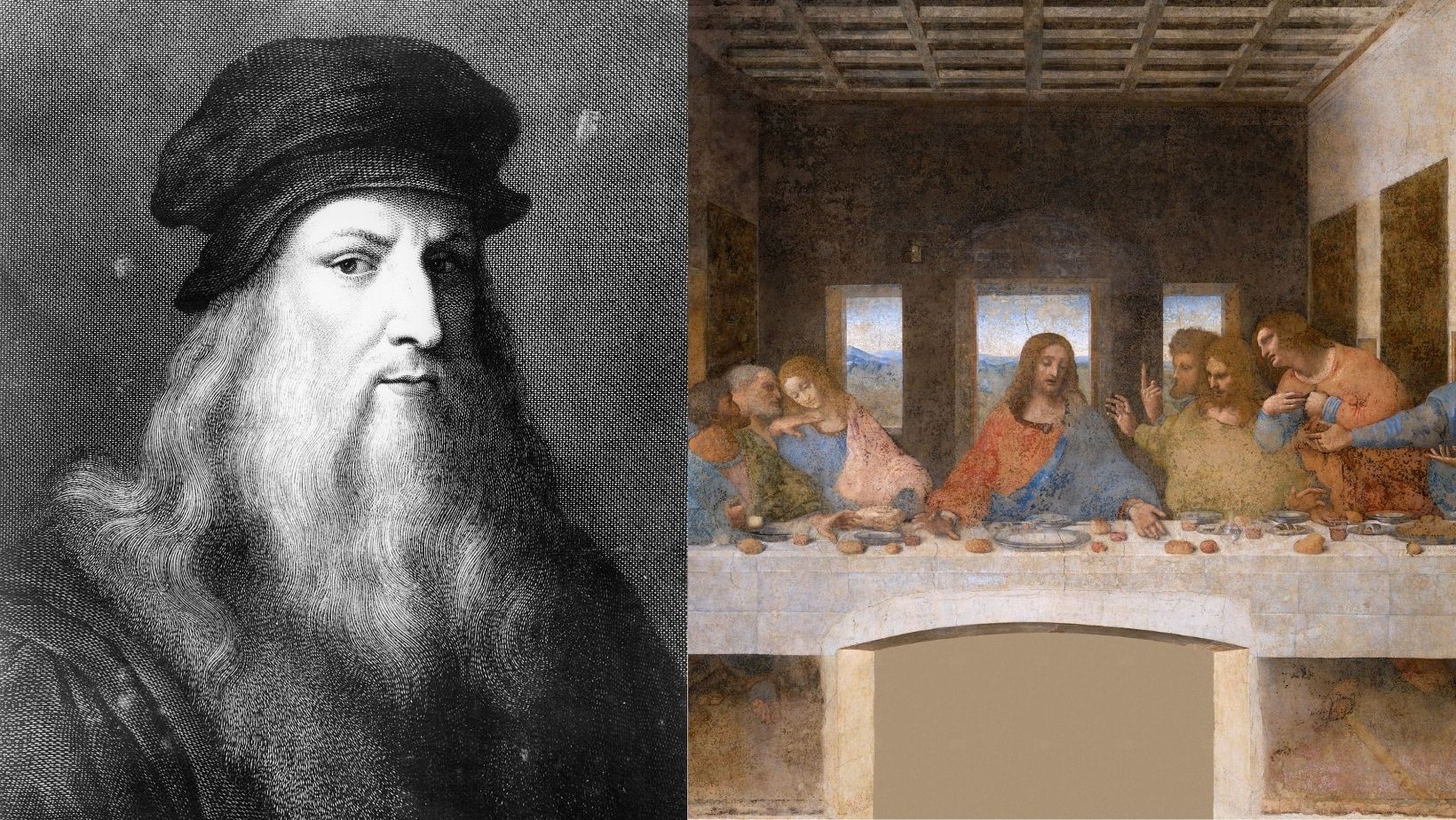
In addition to The Mona Lisa, da Vinci’s The Last Supper is another masterpiece that has stood the test of time. This monumental fresco depicts the moment when Jesus reveals that one of his disciples will betray him. The composition, with its intricate detailing and dramatic use of perspective, remains a stunning example of da Vinci’s talent for storytelling through art.
Da Vinci’s scientific curiosity also shines through in his sketches and drawings. His anatomical studies, such as Vitruvian Man, demonstrate his deep understanding of human anatomy and proportions. These sketches not only showcase da Vinci’s technical skill but also highlight his pioneering approach to merging art and science.
As we delve into the world of Leonardo da Vinci’s artworks, we are reminded of his unparalleled ability to capture beauty, emotion, and intellect in every stroke. His works continue to inspire artists and art enthusiasts alike, serving as timeless reminders of the enduring power of creativity.
Exploring the Genius of Leonardo da Vinci: 7 Insights into His Artistic Mastery
- Leonardo da Vinci’s artworks showcase his incredible talent in various fields such as painting, drawing, and sculpture.
- He is best known for iconic paintings like the Mona Lisa and The Last Supper, which continue to captivate audiences worldwide.
- Da Vinci was a master of sfumato, a technique that involves blending colours and tones smoothly together to create a soft transition.
- His detailed anatomical drawings demonstrate his keen interest in understanding the human body and its functions.
- Leonardo’s sketches often served as studies for his larger works, providing insight into his creative process.
- He had a fascination with nature and incorporated elements of botany and geology into many of his artworks.
- Da Vinci’s innovative use of light and shadow, known as chiaroscuro, added depth and realism to his compositions.
Leonardo da Vinci’s artworks showcase his incredible talent in various fields such as painting, drawing, and sculpture.
Leonardo da Vinci’s artworks serve as a testament to his extraordinary talent across multiple artistic disciplines, including painting, drawing, and sculpture. His masterpieces not only demonstrate his technical prowess and attention to detail but also reveal his deep understanding of human anatomy, perspective, and emotion. Through his diverse body of work, da Vinci continues to inspire admiration and awe for his unparalleled skill and innovative approach to art.
He is best known for iconic paintings like the Mona Lisa and The Last Supper, which continue to captivate audiences worldwide.
Leonardo da Vinci is best known for his iconic paintings like the Mona Lisa and The Last Supper, which continue to captivate audiences worldwide. These masterpieces showcase da Vinci’s unparalleled talent for capturing human emotion, intricate details, and storytelling through art. The enigmatic smile of the Mona Lisa and the dramatic composition of The Last Supper exemplify da Vinci’s ability to transcend time and connect with viewers on a profound level. His artworks serve as enduring testaments to his genius and continue to inspire admiration and fascination among art lovers across the globe.
Da Vinci was a master of sfumato, a technique that involves blending colours and tones smoothly together to create a soft transition.
Leonardo da Vinci’s mastery of sfumato, a technique characterised by seamlessly blending colours and tones to achieve a soft transition, is a testament to his unparalleled skill as an artist. Through the application of sfumato, da Vinci was able to create depth, realism, and an ethereal quality in his artworks that set them apart from others of his time. The subtle gradations and gentle transitions in his paintings, achieved through this technique, not only added a sense of mystery and allure but also showcased his exceptional attention to detail and finesse in capturing the nuances of light and shadow.
His detailed anatomical drawings demonstrate his keen interest in understanding the human body and its functions.
Leonardo da Vinci’s detailed anatomical drawings showcase his profound curiosity and fascination with unraveling the mysteries of the human body and its intricate functions. Through meticulous observation and precise renderings, da Vinci delved into the complexities of anatomy, seeking to uncover the inner workings and structures that define human physiology. His keen interest in exploring the human form not only revealed his exceptional artistic skill but also highlighted his relentless pursuit of knowledge and understanding in a way that transcended traditional boundaries between art and science.
Leonardo’s sketches often served as studies for his larger works, providing insight into his creative process.
Leonardo da Vinci’s sketches offer a fascinating glimpse into his artistic process, serving as essential studies for his larger masterpieces. These sketches not only showcase his meticulous attention to detail but also reveal the depth of his creative vision. By exploring Leonardo’s preliminary drawings, we gain valuable insight into the evolution of his ideas and the intricate planning that went into his iconic works. Each stroke and line in these sketches represents a window into the mind of a true artistic genius, highlighting the thoughtfulness and precision that defined Leonardo da Vinci’s approach to creating timeless art.
He had a fascination with nature and incorporated elements of botany and geology into many of his artworks.
Leonardo da Vinci’s profound fascination with nature is evident in his artworks, where he seamlessly integrated elements of botany and geology. Through meticulous observation and study, da Vinci imbued his paintings with a deep appreciation for the natural world. His keen eye for detail allowed him to capture the intricacies of plants, rocks, and landscapes with remarkable accuracy and beauty. By infusing his art with elements of the natural world, da Vinci not only showcased his technical skill but also celebrated the inherent harmony and complexity found in nature.
Da Vinci’s innovative use of light and shadow, known as chiaroscuro, added depth and realism to his compositions.
Da Vinci’s innovative use of light and shadow, known as chiaroscuro, revolutionised the way artists approached composition. By skillfully manipulating light and shadow in his artworks, he was able to create a sense of depth, drama, and realism that was unprecedented in his time. This technique not only added dimension to his subjects but also infused his paintings with a heightened sense of emotion and atmosphere. Da Vinci’s mastery of chiaroscuro remains a hallmark of his artistic legacy, showcasing his unparalleled ability to capture the interplay between light and dark to evoke powerful visual narratives.