
A Glimpse into the World of Ai Weiwei’s Artwork
Ai Weiwei, the renowned Chinese artist and activist, has captivated audiences around the world with his thought-provoking and socially conscious artwork. Known for his fearless exploration of political and cultural themes, Ai Weiwei’s creations serve as a powerful commentary on contemporary society.
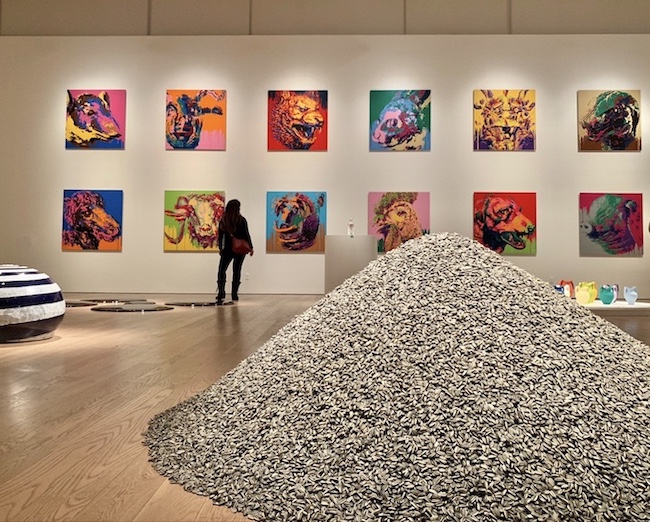
One of his most iconic pieces, “Sunflower Seeds,” consists of millions of handcrafted porcelain sunflower seeds spread across a vast gallery floor. This installation not only showcases Ai Weiwei’s meticulous attention to detail but also prompts viewers to contemplate issues of mass production, individuality, and collective identity.
In another striking work, “Forever Bicycles,” Ai Weiwei assembles hundreds of interconnected bicycles to create a mesmerising visual spectacle that symbolises both unity and repetition. Through this piece, he invites us to reflect on concepts of mobility, consumerism, and the human experience within urban environments.
Ai Weiwei’s art is not confined to traditional mediums; he also utilises technology to engage with audiences in innovative ways. His use of social media platforms to document his activism and connect with supporters underscores his commitment to transparency and open dialogue.
Whether through sculpture, photography, or digital media, Ai Weiwei continues to push boundaries and challenge conventions in the art world. His fearless dedication to advocating for human rights and social justice has established him as a leading figure in contemporary art.
As we immerse ourselves in the world of Ai Weiwei’s artwork, we are reminded of the transformative power of creativity and its ability to spark meaningful conversations about the world we inhabit.
Exploring Ai Weiwei’s Art: 8 Insights into His Provocative and Politically Charged Creations
- Ai Weiwei is a prominent Chinese contemporary artist known for his provocative and politically charged artwork.
- His art often addresses issues such as human rights, freedom of expression, and social justice.
- Ai Weiwei’s use of various mediums like sculpture, installation, photography, and film creates a diverse body of work.
- He gained international fame for his role in designing the ‘Bird’s Nest’ stadium for the 2008 Beijing Olympics.
- Many of Ai Weiwei’s artworks challenge traditional notions of art and blur the boundaries between art and activism.
- His work often incorporates found objects or materials with deep historical or cultural significance.
- ‘Sunflower Seeds’ is one of Ai Weiwei’s most famous installations, consisting of millions of handcrafted porcelain sunflower seeds.
- ‘Dropping a Han Dynasty Urn’ is a controversial piece where Ai Weiwei drops and smashes an ancient urn to make a statement about cultural destruction.
Ai Weiwei is a prominent Chinese contemporary artist known for his provocative and politically charged artwork.
Ai Weiwei is a prominent Chinese contemporary artist known for his provocative and politically charged artwork. His creations serve as a bold commentary on societal issues, challenging viewers to confront uncomfortable truths and prompting critical reflection on the complexities of modern life. Through his fearless exploration of political themes and unwavering commitment to social justice, Ai Weiwei has established himself as a leading figure in the art world, inspiring audiences worldwide with his powerful and thought-provoking pieces.
His art often addresses issues such as human rights, freedom of expression, and social justice.
Ai Weiwei’s artwork serves as a poignant reflection of pressing societal issues, tackling themes such as human rights, freedom of expression, and social justice with unwavering honesty and courage. Through his creative expressions, Ai Weiwei sheds light on the complexities of these fundamental principles, challenging viewers to confront uncomfortable truths and consider the importance of advocating for a more equitable and compassionate world.
Ai Weiwei’s use of various mediums like sculpture, installation, photography, and film creates a diverse body of work.
Ai Weiwei’s artistic practice is characterised by a dynamic exploration of multiple mediums, including sculpture, installation, photography, and film. By seamlessly moving between different forms of expression, Ai Weiwei crafts a diverse body of work that invites viewers to engage with his art in varied and immersive ways. This versatility not only showcases his technical skill and creative range but also allows him to address complex themes and issues from multiple perspectives, enriching the depth and impact of his artistic vision.
He gained international fame for his role in designing the ‘Bird’s Nest’ stadium for the 2008 Beijing Olympics.
Ai Weiwei gained international fame for his pivotal role in designing the iconic ‘Bird’s Nest’ stadium for the 2008 Beijing Olympics. This architectural masterpiece not only showcased his innovative vision and creative flair but also solidified his reputation as a multifaceted artist whose influence transcends traditional boundaries. The ‘Bird’s Nest’ stands as a testament to Ai Weiwei’s ability to merge art, design, and social commentary on a global stage, leaving a lasting impact on the world of architecture and beyond.
Many of Ai Weiwei’s artworks challenge traditional notions of art and blur the boundaries between art and activism.
Many of Ai Weiwei’s artworks defy conventional artistic norms and blur the lines between art and activism. Through his provocative pieces, Ai Weiwei challenges established perceptions of what constitutes art while using his creations as a platform for advocating social change and raising awareness on pressing issues. By seamlessly integrating art with activism, Ai Weiwei prompts viewers to reconsider the role of artists in society and the potential for art to inspire meaningful dialogue and action.
His work often incorporates found objects or materials with deep historical or cultural significance.
Ai Weiwei’s artistry is characterised by a profound exploration of found objects and materials imbued with rich historical or cultural significance. By incorporating these elements into his work, he not only infuses his creations with layers of meaning and context but also invites viewers to reconsider the intrinsic value of everyday items. This deliberate choice highlights Ai Weiwei’s commitment to bridging the past with the present, creating a dialogue that resonates beyond the confines of traditional artistic expression.
‘Sunflower Seeds’ is one of Ai Weiwei’s most famous installations, consisting of millions of handcrafted porcelain sunflower seeds.
“Sunflower Seeds” stands as a hallmark of Ai Weiwei’s artistic prowess, revered for its sheer ingenuity and profound symbolism. Comprising millions of meticulously crafted porcelain sunflower seeds, this iconic installation not only showcases the artist’s meticulous attention to detail but also invites contemplation on themes of mass production, individuality, and collective identity. The sheer magnitude of this work speaks to Ai Weiwei’s ability to transform everyday objects into profound reflections on society and human experience, leaving a lasting impact on all who encounter it.
‘Dropping a Han Dynasty Urn’ is a controversial piece where Ai Weiwei drops and smashes an ancient urn to make a statement about cultural destruction.
“Dropping a Han Dynasty Urn” stands as a controversial and provocative piece within Ai Weiwei’s body of work. In this bold statement, Ai Weiwei deliberately drops and shatters an ancient Han Dynasty urn, challenging viewers to confront the notion of cultural destruction and the fragility of heritage. Through this act of defiance, Ai Weiwei prompts us to reconsider the value we place on historical artefacts and raises poignant questions about the impact of societal upheaval on our shared history. This powerful artwork serves as a stark reminder of the complexities surrounding preservation, loss, and the enduring significance of cultural heritage in a rapidly changing world.