
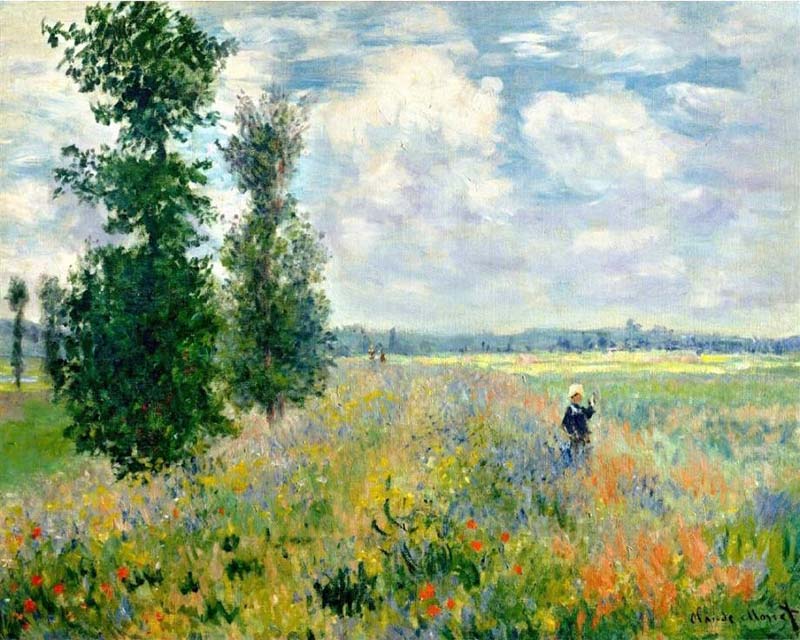
The Timeless Beauty of Claude Monet’s Paintings
Claude Monet, a pioneering figure in the Impressionist movement, is renowned for his exquisite paintings that capture the essence of light, colour, and nature. His works continue to captivate art enthusiasts around the world, transcending time and trends.
Monet’s iconic series of water lilies, created in his garden at Giverny, are perhaps his most famous works. These mesmerising paintings depict serene ponds filled with vibrant blooms, reflecting the changing light and seasons with unparalleled beauty and skill.
One of Monet’s defining characteristics as an artist was his ability to convey atmosphere and emotion through his brushstrokes. His loose, expressive style gives his paintings a sense of movement and life, inviting viewers to immerse themselves in the scene before them.
Whether painting landscapes, seascapes, or cityscapes, Monet had a remarkable talent for capturing fleeting moments and ephemeral impressions. His use of colour was revolutionary for its time, with bold strokes and vibrant hues that conveyed not just what he saw but how he felt about it.
Visiting a gallery or museum housing Monet’s paintings is a truly immersive experience. Standing before one of his masterpieces, you can almost feel the sun on your skin or hear the rustle of leaves in the wind. Each brushstroke is a testament to Monet’s passion for capturing the beauty of the world around him.
Even today, Claude Monet’s paintings continue to inspire artists and art lovers alike. Their timeless appeal lies in their ability to evoke emotions and memories, transporting us to another time and place through the sheer power of art.
Exploring Monet: 8 Tips for Appreciating the Mastery of Light and Colour in His Paintings
- Study Monet’s use of light and colour to create atmosphere in his paintings.
- Notice the loose brushwork and Impressionistic style that Monet is known for.
- Pay attention to the way Monet captures reflections on water in his works.
- Observe how Monet depicted changing weather conditions and times of day in his landscapes.
- Explore Monet’s series paintings, such as the Water Lilies or Haystacks series, to see his approach to capturing variations in light and colour.
- Visit museums or galleries with a collection of Monet’s works to appreciate them up close.
- Read about Monet’s life and artistic influences to gain a deeper understanding of his work.
- Try creating your own Impressionistic-style artwork inspired by Monet’s techniques.
Study Monet’s use of light and colour to create atmosphere in his paintings.
Studying Claude Monet’s use of light and colour in his paintings offers a profound insight into how he masterfully crafted atmosphere within his works. By meticulously observing the interplay of light and shadow, Monet was able to infuse his scenes with a sense of depth and movement, capturing the essence of a fleeting moment. His innovative approach to colour, with vibrant hues and bold brushstrokes, not only depicted the physical world but also conveyed the emotional resonance he felt towards his subjects. Delving into Monet’s techniques reveals a nuanced understanding of how light and colour can evoke mood, evoke emotion, and transport viewers to the very heart of his artistic vision.
Notice the loose brushwork and Impressionistic style that Monet is known for.
When exploring Claude Monet’s paintings, one cannot help but notice the distinctive hallmark of his artistry: the loose brushwork and Impressionistic style that have become synonymous with his name. Monet’s ability to capture fleeting moments and ephemeral impressions through his bold and expressive brushstrokes is truly remarkable. The way he masterfully blends colours and shapes to create a sense of movement and atmosphere in his works is a testament to his innovative approach to painting. Embracing the imperfections and spontaneity of life, Monet’s unique style invites viewers to see the world through his eyes, where beauty is found in the nuances and subtleties of nature.
Pay attention to the way Monet captures reflections on water in his works.
In Claude Monet’s paintings, a tip worth noting is to pay close attention to the way he masterfully captures reflections on water. Monet’s ability to depict the play of light and shadow on the surface of water is truly remarkable, adding depth and movement to his compositions. By studying how he portrays reflections in his works, one can gain a deeper appreciation for Monet’s skill in capturing the ever-changing beauty of nature in its most delicate and fleeting moments.
Observe how Monet depicted changing weather conditions and times of day in his landscapes.
In Claude Monet’s captivating landscapes, a keen observer can witness the masterful depiction of changing weather conditions and the evolving times of day. Through his skilful brushwork and intricate use of light and colour, Monet breathes life into his scenes, capturing the dynamic interplay between nature and time. From the soft glow of a morning sunrise to the dramatic hues of a stormy sky, each painting invites us to witness the beauty and transience of these fleeting moments in nature’s ever-changing tapestry.
Explore Monet’s series paintings, such as the Water Lilies or Haystacks series, to see his approach to capturing variations in light and colour.
Delve into Claude Monet’s series paintings, including the iconic Water Lilies and Haystacks series, to witness his extraordinary technique in capturing the nuances of light and colour. Through these collections, Monet masterfully portrays the ever-changing play of light and shadow, showcasing his innovative approach to depicting the same subject under different conditions. By exploring these series, viewers can appreciate Monet’s profound understanding of how light transforms a scene, inviting them to immerse themselves in the beauty and depth of his artistic vision.
Visit museums or galleries with a collection of Monet’s works to appreciate them up close.
To truly appreciate the artistry and beauty of Claude Monet’s paintings, consider visiting museums or galleries that house a collection of his works. Viewing Monet’s masterpieces up close allows you to immerse yourself in the intricate details, vibrant colours, and emotive brushwork that define his style. Standing before these iconic pieces, you can experience the full impact of Monet’s artistic vision and gain a deeper understanding of his profound influence on the world of art.
Read about Monet’s life and artistic influences to gain a deeper understanding of his work.
To truly appreciate Claude Monet’s paintings, it is essential to delve into his life and artistic influences. By exploring the experiences and inspirations that shaped Monet’s artistic journey, one can gain a profound insight into the motivations behind his iconic works. Understanding the context in which Monet created his masterpieces provides a richer appreciation for the depth of emotion and creativity infused in each brushstroke. Delving into Monet’s life story adds layers of meaning to his art, allowing viewers to connect on a deeper level with the beauty and significance of his timeless creations.
Try creating your own Impressionistic-style artwork inspired by Monet’s techniques.
Immerse yourself in the world of Claude Monet’s paintings by trying your hand at creating your own Impressionistic-style artwork. Draw inspiration from Monet’s techniques, such as using loose brushstrokes, vibrant colours, and a focus on capturing light and atmosphere. Embrace the freedom and spontaneity of the Impressionist style as you explore your own creativity and interpretation of the world around you. By experimenting with these techniques, you can gain a deeper appreciation for Monet’s artistry and perhaps discover new aspects of your own artistic expression.