
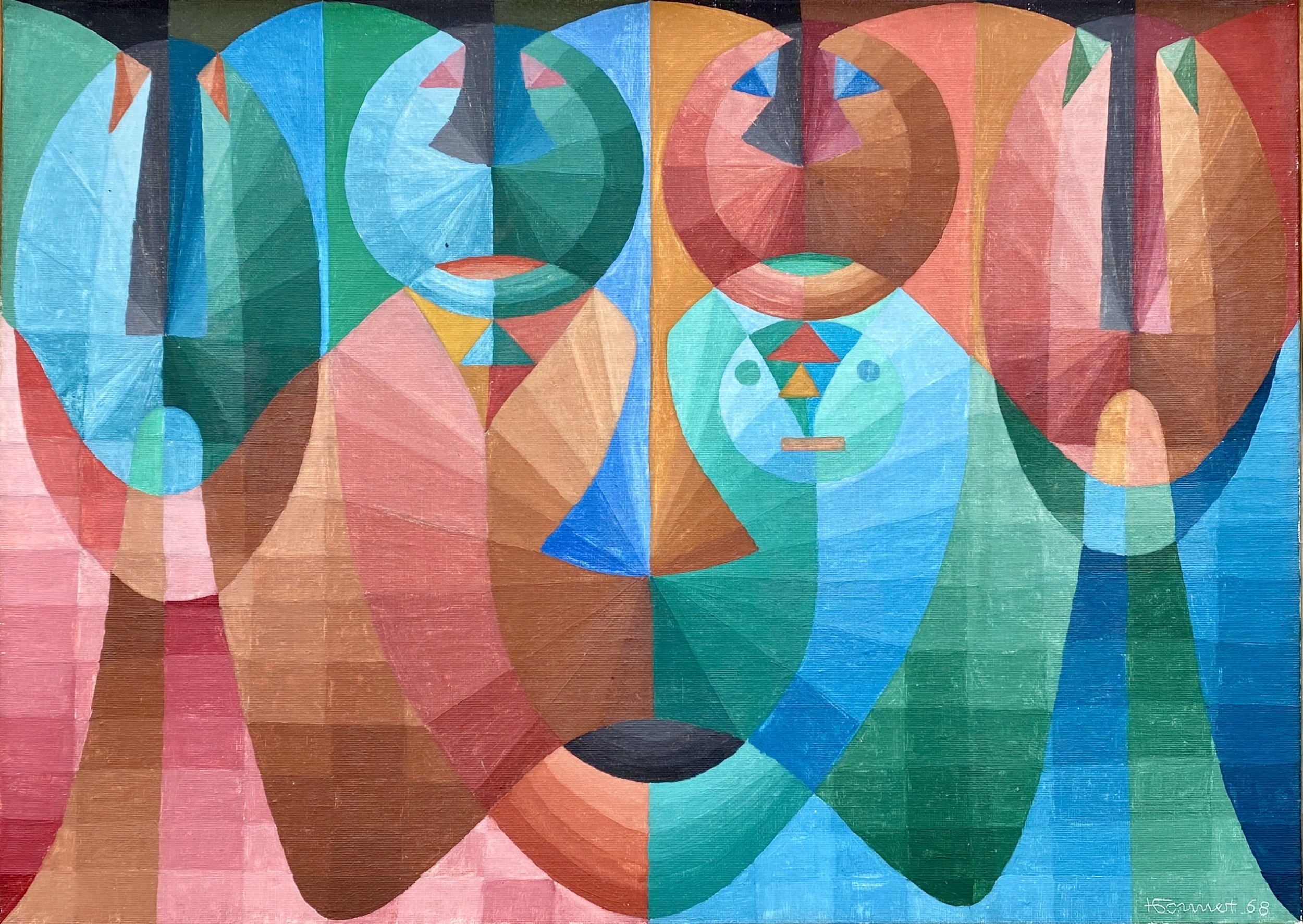
The Art of Geometric Painting
Geometric painting is a captivating art form that has been embraced by artists around the world for centuries. Characterised by precise lines, shapes, and patterns, geometric painting offers a unique visual experience that challenges traditional notions of art and perception.
One of the defining features of geometric painting is its emphasis on mathematical precision and symmetry. Artists working in this style often use geometric shapes such as circles, squares, triangles, and rectangles to create intricate compositions that play with form and colour.
Geometric painting can be both abstract and representational, with some artists using geometric elements to explore complex ideas and emotions, while others focus on creating harmonious patterns and designs. Regardless of the approach, geometric painting invites viewers to engage with the artwork on a deeper level, encouraging contemplation and reflection.
Throughout art history, many renowned artists have experimented with geometric painting, pushing the boundaries of what is possible within this style. From the bold compositions of Piet Mondrian to the mesmerising optical illusions of Victor Vasarely, geometric painting continues to inspire and captivate audiences worldwide.
Whether you are drawn to the precision of straight lines or the harmony of intersecting shapes, there is something undeniably mesmerising about geometric painting. Its ability to evoke a sense of order and balance in a chaotic world speaks to its enduring appeal and relevance in contemporary art.
Next time you encounter a piece of geometric painting, take a moment to appreciate the skill and creativity required to bring such intricate designs to life. Allow yourself to be transported into a world where geometry meets artistry, where precision meets expression – welcome to the fascinating realm of geometric painting.
Mastering Geometric Painting: 6 Tips for Creating Dynamic Artworks
- Use a variety of shapes such as circles, triangles, and squares in your geometric painting.
- Experiment with different colour combinations to create visually striking patterns.
- Ensure clean and precise lines by using painter’s tape or stencils when needed.
- Play with symmetry and asymmetry to add interest and balance to your composition.
- Consider the overall composition and how different shapes interact with each other on the canvas.
- Don’t be afraid to mix different styles within geometric art, such as minimalism or op art.
Use a variety of shapes such as circles, triangles, and squares in your geometric painting.
In the realm of geometric painting, incorporating a diverse array of shapes like circles, triangles, and squares can elevate the visual impact of your artwork. By combining these geometric elements, artists can create dynamic compositions that play with symmetry, balance, and contrast. Each shape brings its own unique energy and character to the piece, allowing for endless possibilities in terms of design and expression. Experimenting with different shapes not only adds complexity to the artwork but also invites viewers to engage with the interplay of forms and colours in a thought-provoking manner.
Experiment with different colour combinations to create visually striking patterns.
To elevate your geometric painting technique, consider experimenting with various colour combinations to craft visually striking patterns. By blending different hues and tones, you can breathe life into your geometric compositions, adding depth and vibrancy to your artwork. Whether you opt for bold contrasts or subtle harmonies, the interplay of colours can transform a simple geometric design into a captivating visual masterpiece. Embrace the creative freedom that comes with exploring diverse colour palettes, and watch as your paintings come alive with dynamic energy and aesthetic appeal.
Ensure clean and precise lines by using painter’s tape or stencils when needed.
To achieve clean and precise lines in geometric painting, it is essential to utilise tools such as painter’s tape or stencils when necessary. By carefully masking off areas with painter’s tape or using stencils to guide your brush strokes, you can maintain sharp edges and perfectly defined shapes in your artwork. This attention to detail not only enhances the overall aesthetic appeal of the piece but also showcases a level of craftsmanship that elevates the impact of geometric painting.
Play with symmetry and asymmetry to add interest and balance to your composition.
When exploring geometric painting, incorporating a balance of symmetry and asymmetry can elevate the visual impact of your composition. By playing with these contrasting elements, you can create a dynamic interplay that adds intrigue and depth to your artwork. Symmetry offers a sense of order and harmony, while asymmetry introduces a touch of unpredictability and movement. Striking the right balance between the two not only enhances the overall aesthetic appeal but also allows for a more engaging and thought-provoking viewing experience for the audience.
Consider the overall composition and how different shapes interact with each other on the canvas.
When delving into the realm of geometric painting, it is crucial to consider the overall composition and the dynamic interplay between different shapes on the canvas. Each geometric element holds its own significance and contributes to the visual harmony of the artwork. By carefully examining how these shapes interact with one another – whether through contrast, alignment, or repetition – artists can create a compelling narrative that captivates viewers and invites them to explore the intricate relationships within the piece.
Don’t be afraid to mix different styles within geometric art, such as minimalism or op art.
When exploring geometric painting, it is important not to be afraid to blend different styles, such as minimalism or op art, into your artistic expression. By combining elements from various artistic movements, you can create a unique and dynamic visual language that pushes the boundaries of traditional geometric art. Embracing this versatility allows for endless possibilities in composition and design, opening up new avenues for creativity and innovation within the realm of geometric painting.