
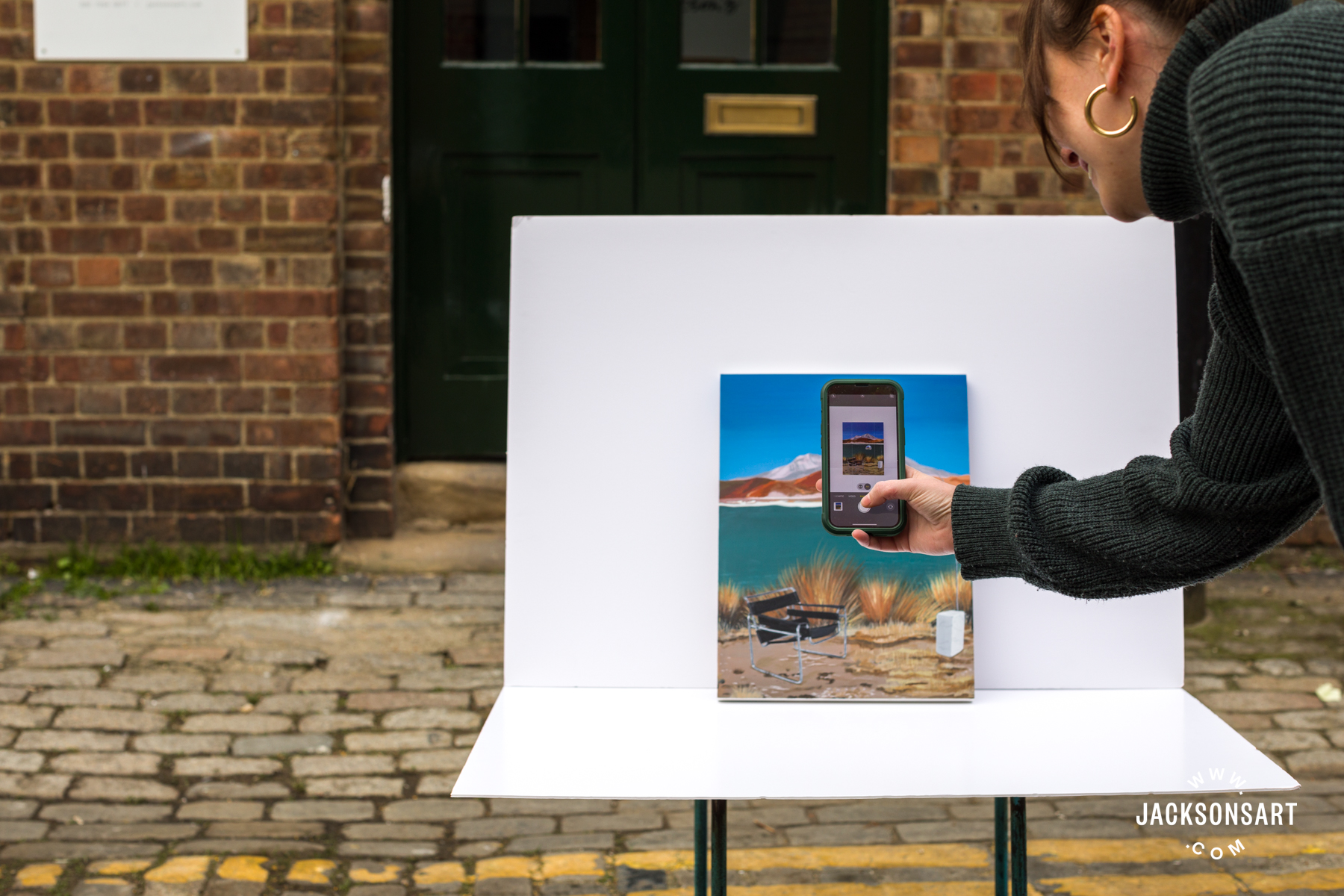
How to Photograph a Photograph
Photographing a photograph may seem like a simple task, but it requires careful consideration to ensure the best results. Whether you are capturing an old family photo or documenting an artwork, here are some tips to help you get the perfect shot:
Lighting:
Lighting is crucial when photographing a photograph. Avoid direct sunlight or harsh artificial lighting that can cause glare or reflections on the image. Opt for soft, diffused light that will evenly illuminate the photograph.
Angle and Composition:
Position yourself directly in front of the photograph to avoid distortion. Ensure that the image is framed properly within your camera viewfinder or screen. Consider using the rule of thirds to create a visually appealing composition.
Focus and Depth of Field:
Select the appropriate focus point on your camera to ensure sharpness in the photograph. Use a narrow aperture setting to increase depth of field and keep the entire image in focus.
Stability:
To prevent camera shake and blurriness, use a tripod or stable surface to support your camera during the shot. This will help maintain sharpness and clarity in the final photograph.
Post-Processing:
After capturing the photograph, consider post-processing techniques such as adjusting brightness, contrast, and colour balance to enhance the image further. Be mindful not to alter the original characteristics of the photograph.
By following these tips, you can effectively photograph a photograph with precision and attention to detail. Remember that each image has its unique qualities, so take your time to capture its essence through your lens.
Top Tips for Photographing a Photograph: Lighting, Angles, Focus, Equipment, and Post-Processing
- 1. How should I position the lighting when photographing a photograph?
- 2. What angle and composition work best for capturing a photograph?
- 3. How can I ensure the focus is sharp when photographing a photograph?
- 4. Do I need to use a tripod when taking a picture of a photograph?
- 5. Are there any post-processing tips for enhancing a photographed image?
1. How should I position the lighting when photographing a photograph?
When photographing a photograph, it is essential to carefully consider the positioning of lighting to achieve optimal results. To avoid glare or reflections on the image, it is recommended to use soft, diffused light that evenly illuminates the photograph. Direct sunlight and harsh artificial lighting should be avoided, as they can distort the colours and details of the image. By ensuring that the lighting is gentle and well-distributed, you can capture the photograph with clarity and precision, allowing its true essence to shine through in the final image.
2. What angle and composition work best for capturing a photograph?
When considering the angle and composition for capturing a photograph, it is essential to position yourself directly in front of the subject to avoid distortion and ensure a true representation of the image. Framing the photograph within the camera viewfinder or screen with attention to detail is crucial for achieving a visually appealing composition. Utilising the rule of thirds can help create balance and interest in the shot, guiding the viewer’s eye through the image. By carefully selecting the angle and composition, you can enhance the overall impact of the photograph and convey its essence effectively through your lens.
3. How can I ensure the focus is sharp when photographing a photograph?
When aiming to ensure sharp focus when photographing a photograph, it is essential to pay close attention to the focus settings on your camera. Selecting the appropriate focus point that aligns with the key elements of the image is crucial in achieving clarity and sharpness. Additionally, using a narrow aperture setting can help increase the depth of field, allowing more of the photograph to be in focus. By carefully adjusting your focus and depth of field settings, you can capture the details and nuances of the original photograph with precision and clarity in your final shot.
4. Do I need to use a tripod when taking a picture of a photograph?
When considering whether to use a tripod when photographing a photograph, it is recommended to use one for optimal results. A tripod provides stability and eliminates the risk of camera shake, ensuring that the image remains sharp and clear. This is particularly important when capturing fine details or textures in a photograph. Using a tripod allows you to fine-tune your composition and focus without the worry of blurriness, resulting in a professional-looking image. While it is possible to take a picture of a photograph without a tripod, using one can significantly enhance the quality of the final shot.
5. Are there any post-processing tips for enhancing a photographed image?
When it comes to enhancing a photographed image through post-processing, there are several tips that can elevate the visual impact of the photograph. Firstly, adjusting the brightness and contrast levels can help bring out details and create a more dynamic look. Fine-tuning the colour balance can enhance the overall tone and mood of the image. Additionally, sharpening the focus and reducing noise can improve clarity and sharpness. It’s important to approach post-processing with a light touch, ensuring that the enhancements complement the original photograph rather than overshadowing its essence. Experimenting with different editing techniques and settings can lead to striking results that breathe new life into a captured image.