
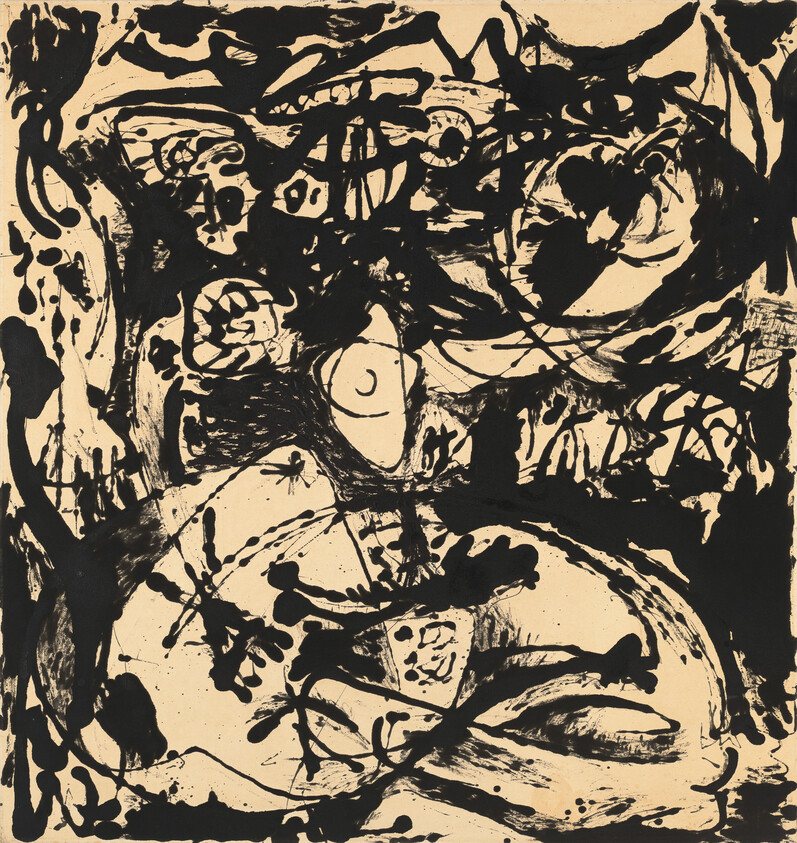
The Captivating Artistry of Jackson Pollock
Renowned for his revolutionary approach to abstract expressionism, Jackson Pollock remains a towering figure in the world of modern art. His distinctive drip painting technique, characterised by dynamic splashes and intricate swirls of paint, has captivated audiences and inspired generations of artists.
Pollock’s artworks are a testament to his unique creative process, which often involved laying canvases on the floor and applying paint with vigorous movements of his whole body. This unconventional method allowed him to channel raw emotion and energy onto the canvas, resulting in compositions that are both chaotic and harmonious.
One of Pollock’s most famous works is “Number 1A, 1948,” a mesmerising piece that exemplifies his mastery of colour, form, and movement. The painting’s intricate web of drips and splatters invites viewers to immerse themselves in its dynamic energy, inviting contemplation and interpretation.
Throughout his career, Pollock pushed the boundaries of traditional art-making techniques, challenging conventions and redefining the possibilities of visual expression. His legacy continues to resonate with art lovers around the world, as his works remain as fresh and compelling today as they were during his lifetime.
Whether you are a seasoned art enthusiast or a curious newcomer to the world of abstract art, exploring Jackson Pollock’s oeuvre is sure to be a transformative experience. His bold experimentation with form and colour invites us to see the world through new eyes and appreciate the boundless potential of artistic expression.
Join us in celebrating the enduring legacy of Jackson Pollock and discover the timeless allure of his groundbreaking artworks.
Nine Reasons Jackson Pollock’s Art Continues to Captivate: From Revolutionary Techniques to Timeless Appeal
- Revolutionary approach to abstract expressionism
- Unique drip painting technique
- Dynamic splashes and swirls of paint create captivating compositions
- Channelled raw emotion and energy onto the canvas
- Unconventional method of laying canvases on the floor for painting
- Mastery of colour, form, and movement in artworks
- Pushed boundaries of traditional art-making techniques
- Legacy continues to resonate with art lovers worldwide
- Works remain fresh and compelling, transcending time
Criticisms of Jackson Pollock: Seven Reasons Some Viewers Struggle with His Abstract Art
- Some may find Jackson Pollock’s abstract style too chaotic and lacking in traditional artistic elements.
- His drip painting technique can be perceived as messy and haphazard by those who prefer more structured compositions.
- Pollock’s artworks may not appeal to viewers who seek clear narratives or representational imagery in art.
- Critics argue that his works lack depth and meaning, with some dismissing them as mere random splatters of paint.
- The intense energy and spontaneity of Pollock’s creations may alienate audiences looking for calm or serene artistic experiences.
- His unconventional methods and rejection of conventional techniques can be off-putting to those who appreciate classical art forms.
- Some observers feel overwhelmed by the frenetic energy of Pollock’s paintings, finding it difficult to connect with or interpret his abstract expressions.
Revolutionary approach to abstract expressionism
Jackson Pollock’s revolutionary approach to abstract expressionism marked a pivotal moment in the history of modern art. By eschewing traditional techniques and embracing a bold, uninhibited style of painting, Pollock transformed the way artists approached visual expression. His innovative drip painting method, characterised by dynamic gestures and spontaneous movements, pushed the boundaries of artistic conventions and challenged viewers to engage with art in new and profound ways. Through his fearless experimentation and commitment to authenticity, Pollock redefined the possibilities of abstract art, inspiring generations of artists to explore the depths of emotion and creativity through their work.
Unique drip painting technique
Jackson Pollock’s unique drip painting technique revolutionised the world of art, setting him apart as a visionary in abstract expressionism. By eschewing traditional brushwork in favour of laying canvases on the floor and splattering paint with controlled chaos, Pollock created dynamic compositions that captured the essence of movement and emotion in a way never seen before. The intricate web of drips, splatters, and swirls in his artworks not only showcased his technical prowess but also invited viewers to engage with the spontaneous energy and raw creativity that permeated each piece. Pollock’s drip painting technique remains a defining feature of his work, cementing his legacy as an innovator who pushed the boundaries of artistic expression.
Dynamic splashes and swirls of paint create captivating compositions
The dynamic splashes and swirls of paint in Jackson Pollock’s artwork create captivating compositions that exude a sense of energy and movement. Each stroke and drip of paint on the canvas contributes to a mesmerising visual tapestry that invites viewers to immerse themselves in the artist’s creative process. The interplay of colours and forms in Pollock’s work evokes a sense of spontaneity and vitality, capturing the essence of his innovative approach to abstract expressionism.
Channelled raw emotion and energy onto the canvas
One of the remarkable aspects of Jackson Pollock’s artwork is his ability to channel raw emotion and energy onto the canvas with unparalleled intensity. Through his revolutionary drip painting technique, Pollock infused his works with a sense of dynamism and vitality that transcends traditional artistic boundaries. The frenetic movements and bold gestures he employed allowed him to convey a profound depth of feeling, creating compositions that pulsate with emotion and invite viewers to engage with the artist’s innermost thoughts and sensations. This unique approach not only revolutionised abstract expressionism but also established Pollock as a master of capturing the raw essence of human experience through the medium of paint.
Unconventional method of laying canvases on the floor for painting
Jackson Pollock’s unconventional method of laying canvases on the floor for painting revolutionised the art world, giving rise to a new wave of abstract expressionism. By eschewing traditional easel painting in favour of working on the ground, Pollock was able to engage with his artwork in a more physical and intuitive manner. This approach allowed him to fully immerse himself in the creative process, using his entire body to apply paint and create intricate patterns of drips and splatters. The result was a dynamic fusion of movement and emotion captured on canvas, showcasing the artist’s unparalleled ability to translate raw energy into visual form. Pollock’s groundbreaking technique not only challenged artistic conventions but also paved the way for a fresh perspective on the possibilities of painting as a medium of self-expression and innovation.
Mastery of colour, form, and movement in artworks
Jackson Pollock’s artworks are a testament to his mastery of colour, form, and movement. Through his innovative drip painting technique, Pollock was able to create compositions that exude a sense of dynamic energy and fluidity. His bold use of vibrant hues, intricate patterns, and sweeping gestures on the canvas come together to form a harmonious visual symphony that captivates viewers and invites them to explore the interplay of colours and shapes. Pollock’s keen understanding of how colour, form, and movement interact allowed him to create artworks that transcend traditional boundaries and evoke a profound sense of emotion and vitality.
Pushed boundaries of traditional art-making techniques
Jackson Pollock’s innovative approach to art-making revolutionised the traditional techniques of his time, pushing boundaries and redefining the possibilities of visual expression. By eschewing conventional methods and instead employing his unique drip painting technique, Pollock challenged the established norms of painting, inviting a fresh perspective on what art could be. His daring experimentation with form and process not only broke new ground in the art world but also inspired future generations of artists to think outside the box and embrace creativity without limits. Pollock’s fearless exploration of uncharted artistic territory remains a testament to his enduring influence on the evolution of contemporary art.
Legacy continues to resonate with art lovers worldwide
Jackson Pollock’s legacy continues to resonate with art lovers worldwide, serving as a timeless testament to the enduring power of his groundbreaking artworks. His innovative approach to abstract expressionism and his fearless exploration of new artistic techniques have left an indelible mark on the art world. The universal appeal of Pollock’s creations transcends borders and generations, captivating audiences with their raw emotion, dynamic energy, and unparalleled sense of freedom. As his influence persists across time and space, it is clear that Jackson Pollock’s profound impact on the art world will continue to inspire and captivate art enthusiasts for years to come.
Works remain fresh and compelling, transcending time
Jackson Pollock’s artworks possess a remarkable pro in their ability to remain fresh and compelling, transcending time with their enduring relevance and impact. Despite being created decades ago, Pollock’s paintings continue to captivate audiences with their dynamic energy and innovative approach to abstract expressionism. The timeless quality of his work allows viewers to connect with it on a profound level, as if each brushstroke and drip of paint speaks directly to the contemporary human experience. Pollock’s art stands as a testament to his visionary talent and artistic vision, proving that true creativity knows no bounds and can resonate across generations.
Some may find Jackson Pollock’s abstract style too chaotic and lacking in traditional artistic elements.
For some critics and viewers, Jackson Pollock’s abstract style may appear too chaotic and devoid of traditional artistic elements. The seemingly random splatters and swirls of paint can be interpreted as lacking the structured composition and recognisable subject matter that are often associated with more conventional art forms. This departure from established norms can be challenging for those who prefer a clear narrative or visual representation in art. However, it is precisely this departure that defines Pollock’s revolutionary approach to abstract expressionism, inviting viewers to explore the boundaries of artistic interpretation and embrace the raw energy and emotion that permeate his works.
His drip painting technique can be perceived as messy and haphazard by those who prefer more structured compositions.
For some art enthusiasts who favour structured and meticulously composed artworks, Jackson Pollock’s drip painting technique may appear messy and haphazard. The seemingly chaotic splatters and swirls of paint can be challenging to decipher for those accustomed to more traditional forms of art. However, beneath the surface of apparent disorder lies a deliberate and calculated method that reflects Pollock’s unique artistic vision. By embracing spontaneity and allowing his subconscious to guide his brushstrokes, Pollock created compositions that defy conventional notions of order and precision, inviting viewers to explore the boundaries of artistic expression in a bold and unconventional manner.
Pollock’s artworks may not appeal to viewers who seek clear narratives or representational imagery in art.
Jackson Pollock’s artworks may not resonate with viewers who are accustomed to seeking clear narratives or representational imagery in art. His abstract expressionist style, characterised by spontaneous drips and splatters of paint, often eschews traditional forms of storytelling or recognisable subjects. For those who prefer art that conveys explicit messages or depicts familiar scenes, Pollock’s work may present a challenge in interpretation. However, for those willing to embrace the ambiguity and complexity of abstract art, Pollock’s pieces offer a rich tapestry of emotion and energy that transcends conventional storytelling, inviting viewers to engage with the raw essence of artistic expression.
Critics argue that his works lack depth and meaning, with some dismissing them as mere random splatters of paint.
Critics of Jackson Pollock’s artwork often contend that his works lack depth and meaning, dismissing them as mere random splatters of paint. They argue that the apparent chaos and spontaneity of his drip painting technique fail to convey any significant message or intention, leading to a perceived lack of substance in his compositions. This viewpoint challenges the traditional notions of artistry and raises questions about the true nature of creativity and artistic merit in the realm of abstract expressionism.
The intense energy and spontaneity of Pollock’s creations may alienate audiences looking for calm or serene artistic experiences.
The dynamic and spontaneous nature of Jackson Pollock’s artwork, while celebrated for its raw energy and expressive power, may present a challenge for audiences seeking a sense of tranquillity or serenity in art. The frenetic splatters and chaotic compositions characteristic of Pollock’s creations can be overwhelming for those accustomed to more structured and serene artistic experiences. The absence of defined forms or narratives in his work may alienate viewers who prefer a sense of order and contemplation in art, highlighting the polarising effect of Pollock’s avant-garde approach on different audiences.
His unconventional methods and rejection of conventional techniques can be off-putting to those who appreciate classical art forms.
Jackson Pollock’s unconventional methods and rejection of conventional techniques can be off-putting to those who appreciate classical art forms. For admirers of traditional art styles that emphasise precision, realism, and formal composition, Pollock’s seemingly chaotic and spontaneous approach to painting may initially appear disorienting or even confrontational. The absence of recognisable subjects or defined shapes in his abstract compositions can challenge viewers accustomed to more structured and representational artworks. However, delving deeper into Pollock’s work reveals a profound depth of emotion and energy that transcends traditional artistic boundaries, inviting a reevaluation of what art can be and how it can communicate with its audience.
Some observers feel overwhelmed by the frenetic energy of Pollock’s paintings, finding it difficult to connect with or interpret his abstract expressions.
Some observers feel overwhelmed by the frenetic energy of Pollock’s paintings, finding it difficult to connect with or interpret his abstract expressions. The chaotic swirls and splatters of paint can be disorienting for those accustomed to more traditional art forms, leading to a sense of alienation or confusion. While some may struggle to find meaning in Pollock’s seemingly random compositions, others see his work as a powerful invitation to explore the depths of emotion and creativity beyond conventional boundaries. The challenge lies in embracing the spontaneity and raw energy of Pollock’s art, allowing oneself to be swept away by the visceral impact of his unbridled expression.