
The Timeless Beauty of Medieval Artwork
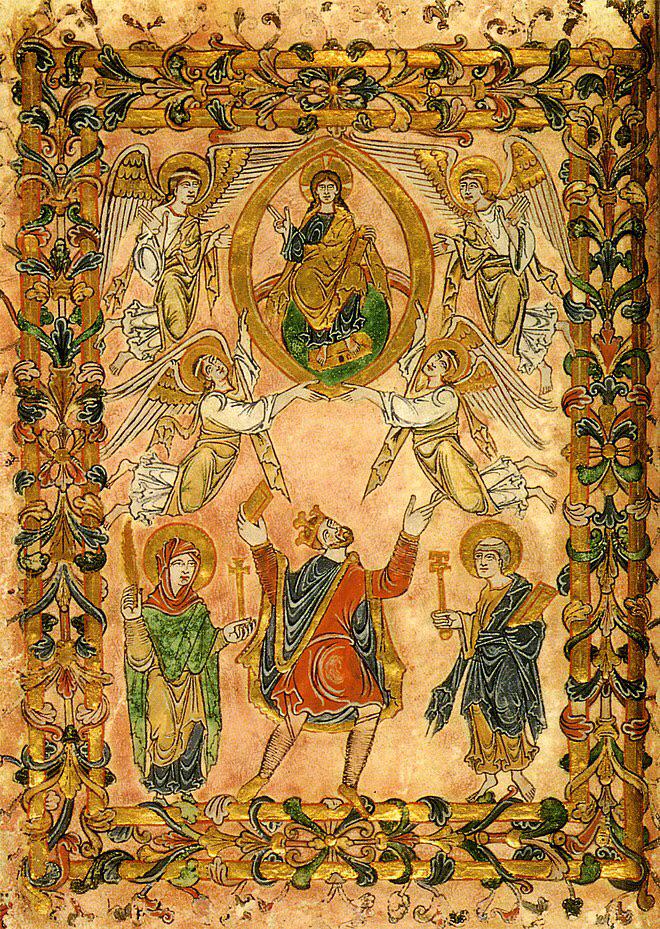
Medieval artwork, with its rich history and intricate craftsmanship, continues to captivate audiences around the world. From illuminated manuscripts to stained glass windows, medieval art offers a glimpse into the artistic traditions and cultural beliefs of the Middle Ages.
One of the most iconic forms of medieval art is the illuminated manuscript. These handcrafted books were painstakingly decorated with vibrant colours, intricate patterns, and elaborate illustrations. Often commissioned by wealthy patrons or religious institutions, illuminated manuscripts served as both works of art and important religious texts.
Stained glass windows are another hallmark of medieval artistry. Adorning cathedrals and churches across Europe, these windows told stories from the Bible in a visually stunning way. The use of vibrant colours and intricate designs created a sense of awe and reverence for worshippers entering these sacred spaces.
Medieval sculpture also played a significant role in conveying religious narratives and moral lessons. From intricately carved altarpieces to imposing statues of saints and angels, medieval sculptures were designed to inspire piety and devotion among believers.
What makes medieval artwork truly remarkable is its enduring legacy. Despite being created centuries ago, these masterpieces continue to inspire contemporary artists and art enthusiasts alike. The attention to detail, symbolism, and spiritual significance found in medieval art remind us of the timeless beauty that transcends generations.
Whether you are exploring a medieval cathedral or admiring a replica in a museum, the impact of medieval artwork is undeniable. It serves as a testament to the creativity and ingenuity of artists who sought to capture the essence of their time through visual expression.
As we marvel at the intricate details and profound symbolism found in medieval artwork, we are reminded of the enduring power of creativity to transcend time and connect us with our shared human history.
Exploring the Timeless Appeal and Significance of Medieval Art
- 1. Rich in historical and cultural significance, offering insights into the Middle Ages.
- 2. Intricate craftsmanship showcases the skill and dedication of medieval artists.
- 3. Symbolism and allegory add layers of meaning to each piece of artwork.
- 4. Enduring legacy that continues to inspire contemporary artists and art enthusiasts.
- 5. Reflects religious beliefs, moral values, and societal norms of the medieval period.
- 6. Diverse range of mediums including illuminated manuscripts, stained glass windows, and sculptures.
- 7. Vibrant colours and elaborate designs create visually stunning masterpieces.
- 8. Connection to architectural marvels such as cathedrals and castles enriches the viewing experience.
- 9. Offers a glimpse into the artistic techniques and traditions of a bygone era.
Challenges of Medieval Art: Limited Diversity, Accessibility, and Preservation
- Limited diversity in subject matter, often focused on religious themes
- Restricted accessibility to the general population due to exclusive patronage
- Artistic techniques and materials were labor-intensive and time-consuming
- Depiction of historical events may be biased or inaccurate
- Limited representation of diverse perspectives and cultural influences
- Artworks may have deteriorated over time, affecting their original appearance
1. Rich in historical and cultural significance, offering insights into the Middle Ages.
Medieval artwork is a treasure trove of historical and cultural significance, providing invaluable insights into the complexities of life during the Middle Ages. Through intricate details, vibrant colours, and symbolic imagery, medieval art offers a window into the beliefs, values, and societal structures of that era. From illuminated manuscripts depicting religious stories to stained glass windows narrating biblical tales, each piece of artwork serves as a visual representation of the historical context in which it was created. By studying medieval artwork, we gain a deeper understanding of the artistic techniques, religious practices, and social norms that shaped the medieval world, allowing us to appreciate the richness and diversity of this fascinating period in history.
2. Intricate craftsmanship showcases the skill and dedication of medieval artists.
The intricate craftsmanship found in medieval artwork serves as a testament to the remarkable skill and unwavering dedication of the artists of that era. From meticulously detailed illuminated manuscripts to finely carved sculptures, every stroke and chisel reflects the painstaking effort and expertise required to produce such masterpieces. The precision and artistry displayed in medieval artwork not only demonstrate the technical prowess of the artists but also highlight their deep commitment to their craft, resulting in timeless creations that continue to inspire awe and admiration centuries later.
3. Symbolism and allegory add layers of meaning to each piece of artwork.
In medieval artwork, the use of symbolism and allegory adds layers of meaning to each piece, enriching the viewer’s experience and deepening their understanding of the artwork. Symbols such as animals, plants, colours, and religious motifs were carefully chosen to convey specific messages or represent abstract concepts. Through these symbolic elements, medieval artists were able to imbue their creations with multiple levels of interpretation, inviting viewers to engage with the artwork on a profound and intellectual level. The intricate web of symbolism in medieval art not only enhances the aesthetic appeal of the pieces but also serves as a window into the cultural, religious, and philosophical beliefs of the time.
4. Enduring legacy that continues to inspire contemporary artists and art enthusiasts.
The enduring legacy of medieval artwork serves as a profound source of inspiration for contemporary artists and art enthusiasts alike. The timeless beauty, intricate craftsmanship, and profound symbolism found in medieval masterpieces continue to captivate audiences across the globe. By studying and drawing upon the artistic traditions of the Middle Ages, modern artists are able to infuse their work with a sense of history and depth that resonates with viewers. The rich tapestry of themes and techniques found in medieval art provides a foundation for creative exploration and innovation in today’s artistic landscape, ensuring that its influence will endure for generations to come.
5. Reflects religious beliefs, moral values, and societal norms of the medieval period.
Medieval artwork serves as a compelling window into the religious beliefs, moral values, and societal norms of the medieval period. Through intricate details, symbolism, and storytelling, artists of that era captured the essence of their time and conveyed profound messages to viewers. Whether through illuminated manuscripts depicting biblical narratives, stained glass windows illustrating saints and miracles, or sculptures portraying virtues and vices, medieval artwork not only showcased artistic skill but also acted as a visual representation of the spiritual and cultural fabric of medieval society. The reflection of religious devotion, moral teachings, and societal expectations in medieval art continues to provide valuable insights into the mindset and values of that historical period.
6. Diverse range of mediums including illuminated manuscripts, stained glass windows, and sculptures.
One of the key strengths of medieval artwork lies in its diverse range of mediums, each offering a unique and compelling way to convey artistic expression. From the intricate beauty of illuminated manuscripts to the awe-inspiring storytelling of stained glass windows and the profound symbolism of sculptures, medieval artists demonstrated remarkable versatility and skill across various forms. This diversity not only showcases the creativity and craftsmanship of the period but also provides modern audiences with a rich tapestry of artistic traditions to explore and appreciate.
7. Vibrant colours and elaborate designs create visually stunning masterpieces.
One of the defining features of medieval artwork is the use of vibrant colours and elaborate designs that come together to create visually stunning masterpieces. From illuminated manuscripts to stained glass windows, the bold hues and intricate patterns found in medieval art captivate the eye and evoke a sense of wonder. The meticulous attention to detail and the skilful blending of colours demonstrate the craftsmanship and artistry of medieval artists, resulting in works that continue to mesmerise viewers with their timeless beauty and rich visual storytelling.
8. Connection to architectural marvels such as cathedrals and castles enriches the viewing experience.
The connection of medieval artwork to architectural marvels such as cathedrals and castles enhances the viewing experience in a profound way. When admiring a medieval painting or sculpture within the grandeur of a cathedral’s intricate design or the imposing walls of a castle, one can truly appreciate the art in its intended context. The symbiotic relationship between art and architecture allows viewers to immerse themselves in a historical narrative, feeling the palpable presence of the past and gaining a deeper understanding of the artistic and cultural significance of the works. This connection not only enriches the visual experience but also fosters a sense of awe and reverence for both the art and the architectural wonders that have withstood the test of time.
9. Offers a glimpse into the artistic techniques and traditions of a bygone era.
One of the significant advantages of medieval artwork is that it offers a fascinating glimpse into the artistic techniques and traditions of a bygone era. Through studying these masterpieces, we can gain valuable insights into the craftsmanship, materials, and methods used by artists during the Middle Ages. From intricate details in illuminated manuscripts to the elaborate designs of stained glass windows, each piece of medieval art provides a window into the creative processes and cultural influences that shaped artistic expression in that historical period. By appreciating and understanding these techniques, we can deepen our appreciation for the skill and dedication of medieval artists while gaining a richer understanding of art history as a whole.
Limited diversity in subject matter, often focused on religious themes
One notable con of medieval artwork is its limited diversity in subject matter, with a predominant focus on religious themes. While the intricate depictions of biblical stories and saints hold significant cultural and historical value, the narrow scope of subjects can be seen as a limitation in reflecting the broader spectrum of human experiences and narratives. This emphasis on religious themes may have restricted the exploration of other topics such as daily life, nature, or secular stories that could have added more variety and depth to medieval artistry.
Restricted accessibility to the general population due to exclusive patronage
During the medieval period, one significant con of medieval artwork was its restricted accessibility to the general population due to exclusive patronage. Artworks such as illuminated manuscripts, intricate sculptures, and grand tapestries were often commissioned by wealthy elites, religious institutions, or royal families, making them inaccessible to the average person. This exclusivity limited the ability of the broader population to appreciate and engage with these artistic masterpieces, creating a divide between the privileged few who could commission such works and those who could only admire them from afar. The restricted accessibility of medieval artwork due to exclusive patronage highlights a societal imbalance in access to cultural enrichment and artistic expression during that time.
Artistic techniques and materials were labor-intensive and time-consuming
During the medieval period, one notable con of creating artwork was the labor-intensive and time-consuming nature of the artistic techniques and materials used. Artists of that time invested countless hours meticulously crafting their masterpieces, whether it be through the intricate process of illuminating manuscripts or the painstaking creation of detailed sculptures. The limited availability of resources and tools meant that each piece required a significant amount of effort and skill to produce, resulting in a slower production rate compared to modern methods. Despite these challenges, the dedication and craftsmanship displayed in medieval artwork continue to be admired for their enduring beauty and historical significance.
Depiction of historical events may be biased or inaccurate
One notable con of medieval artwork is that the depiction of historical events may be biased or inaccurate. Artists often portrayed events based on their own perspectives, influenced by factors such as religious beliefs, political agendas, or patron preferences. This subjectivity could lead to embellishments or distortions of historical facts, resulting in a narrative that may not always align with historical accuracy. As a result, viewers must approach medieval artwork with a critical eye, recognising that these visual representations offer valuable insights into the beliefs and values of the time but may not always provide a wholly accurate account of historical events.
Limited representation of diverse perspectives and cultural influences
One notable con of medieval artwork is its limited representation of diverse perspectives and cultural influences. Due to the predominantly religious and hierarchical nature of medieval society, much of the art produced during this period focused on Christian themes and narratives, often excluding other belief systems and cultural traditions. This narrow scope resulted in a lack of diversity in subject matter and artistic styles, limiting the portrayal of alternative perspectives and cultural influences that existed alongside mainstream medieval art. As a result, certain voices and stories were marginalized or omitted from the artistic discourse of the time, highlighting a significant drawback in the inclusivity and representation within medieval artwork.
Artworks may have deteriorated over time, affecting their original appearance
Over the passage of centuries, one significant drawback of medieval artwork is the inevitable deterioration that many pieces have experienced. Factors such as exposure to the elements, improper storage conditions, and the natural aging process have all contributed to the fading colours, chipped surfaces, and overall degradation of these priceless artworks. As a result, the original vibrancy and intricate details that once defined these masterpieces may have been lost to time, diminishing their visual impact and historical significance. Despite efforts to preserve and restore medieval art, the effects of time remain a constant challenge in maintaining the authenticity and beauty of these cultural treasures for future generations to appreciate.