
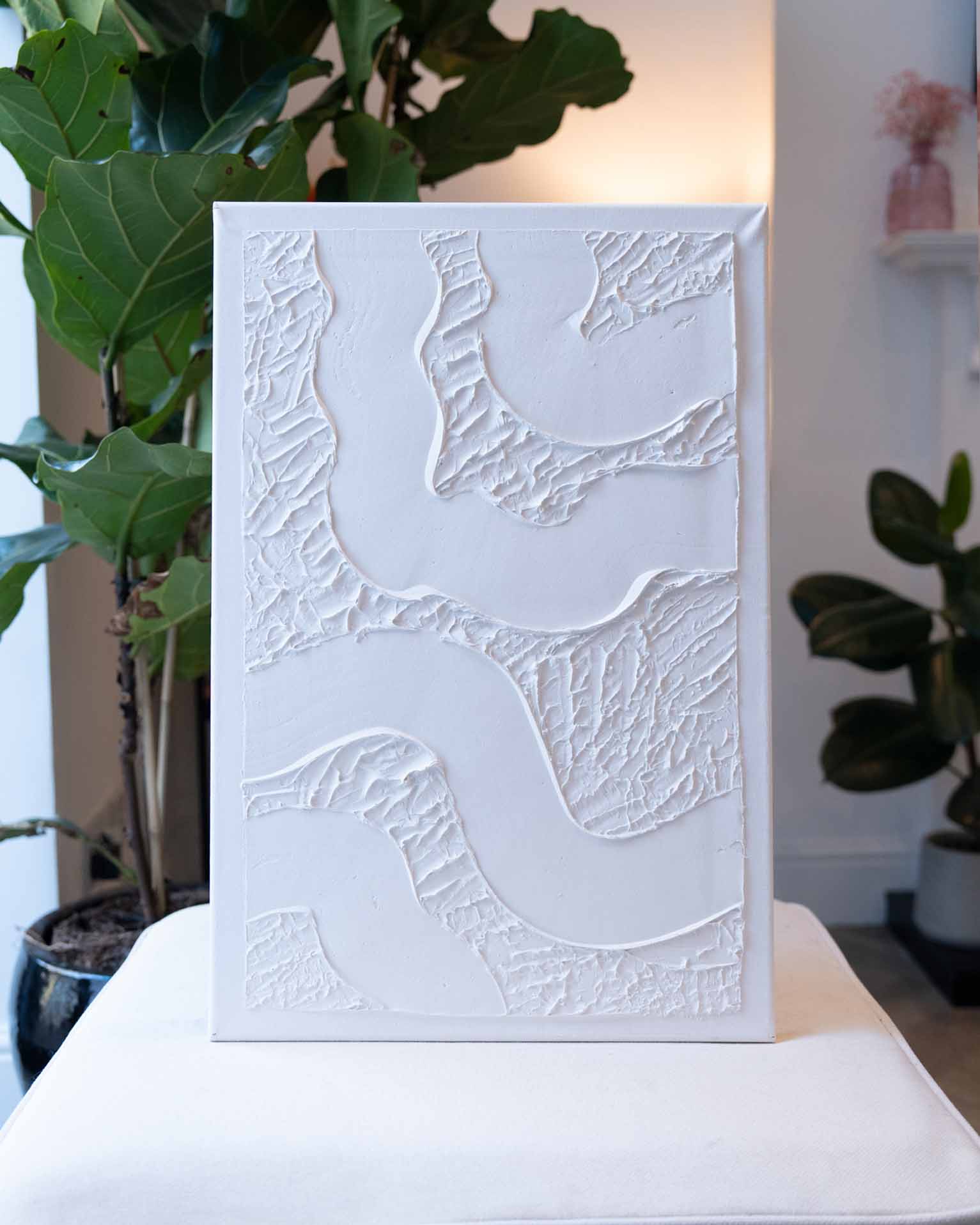
The Timeless Beauty of Plaster Artwork
Plaster artwork, with its rich history and versatile nature, has captivated artists and art enthusiasts for centuries. The use of plaster as a medium for artistic expression dates back to ancient times, where it was commonly used in frescoes and sculptures. Today, plaster continues to be a popular choice for artists seeking to create unique and impactful pieces.
One of the defining characteristics of plaster artwork is its ability to capture intricate details and textures. Artists can mould and sculpt plaster into various forms, allowing for a wide range of creative possibilities. Whether used to create relief sculptures, decorative mouldings, or abstract installations, plaster offers a tactile quality that adds depth and dimension to any piece.
Another allure of plaster artwork lies in its durability and longevity. When properly cared for, plaster pieces can withstand the test of time, retaining their beauty and integrity for generations to come. This resilience makes plaster an ideal medium for public art installations and architectural embellishments.
Furthermore, the versatility of plaster allows artists to experiment with different techniques and finishes. From smooth surfaces that reflect light elegantly to textured finishes that evoke a sense of tactility, the possibilities with plaster are endless. Artists can also incorporate colour pigments or gilding to enhance the visual impact of their creations.
Whether creating traditional figurative sculptures or contemporary abstract compositions, artists continue to push the boundaries of what is possible with plaster artwork. Its timeless appeal transcends trends and styles, offering a timeless quality that resonates with audiences across cultures and eras.
In conclusion, the allure of plaster artwork lies in its rich history, versatility, durability, and timeless beauty. As artists continue to explore new ways of working with this medium, we can expect to see even more innovative and captivating creations emerge in the world of art.
Mastering Plaster Art: Top 6 Tips for Stunning Creations
- Prepare the surface by cleaning and smoothing it before applying plaster.
- Use high-quality plaster to ensure a smooth and durable finish.
- Experiment with different textures and techniques to create unique designs.
- Allow each layer of plaster to dry completely before adding another layer or painting.
- Protect your work area and wear appropriate safety gear while working with plaster.
- Consider taking a workshop or course to learn advanced plastering skills.
Prepare the surface by cleaning and smoothing it before applying plaster.
To achieve the best results in plaster artwork, it is essential to prepare the surface thoroughly by cleaning and smoothing it before applying the plaster. A clean and smooth surface ensures better adhesion of the plaster, allowing for a more even application and a professional finish. By taking the time to prepare the surface properly, artists can create artworks that are not only visually appealing but also durable and long-lasting.
Use high-quality plaster to ensure a smooth and durable finish.
When working with plaster artwork, it is essential to use high-quality plaster to achieve a smooth and durable finish. Opting for premium-grade plaster not only ensures a superior final result but also enhances the longevity of the artwork. High-quality plaster allows for better workability, enabling artists to create intricate details and textures with ease. Additionally, a smooth finish achieved through top-notch plaster not only elevates the aesthetic appeal of the piece but also contributes to its overall durability, ensuring that the artwork stands the test of time. By investing in high-quality plaster, artists can enhance both the visual impact and structural integrity of their creations.
Experiment with different textures and techniques to create unique designs.
To truly elevate your plaster artwork, it is essential to experiment with a diverse range of textures and techniques. By exploring different approaches to sculpting and finishing plaster, artists can unlock endless possibilities for creating truly unique and captivating designs. Whether you choose to play with smooth surfaces that reflect light in intriguing ways or opt for textured finishes that add depth and character to your pieces, embracing experimentation will allow you to push the boundaries of what is achievable with this versatile medium. Embrace the freedom to innovate and let your creativity flourish as you discover new ways to express yourself through the art of plaster.
Allow each layer of plaster to dry completely before adding another layer or painting.
To achieve the best results in plaster artwork, it is crucial to allow each layer of plaster to dry completely before proceeding with additional layers or painting. This patience ensures that the plaster sets and cures properly, leading to a strong and stable foundation for further artistic expression. By allowing sufficient drying time between layers, artists can prevent issues such as cracking or warping, ultimately enhancing the longevity and quality of their plaster creations.
Protect your work area and wear appropriate safety gear while working with plaster.
To ensure a safe and productive creative process when working with plaster artwork, it is essential to protect your work area and wear appropriate safety gear. Plaster can create dust particles that may pose respiratory hazards, so using a well-ventilated space and wearing a mask can help minimise health risks. Additionally, wearing gloves and eye protection can safeguard against skin irritation and accidental contact with the eyes. By taking these precautions, artists can focus on their craft with peace of mind, knowing that they are prioritising their safety and well-being throughout the artistic process.
Consider taking a workshop or course to learn advanced plastering skills.
For those looking to elevate their plaster artwork to new heights, it is highly recommended to consider taking a workshop or course to learn advanced plastering skills. By enrolling in such training, artists can gain valuable insights and techniques that will enhance their ability to work with plaster as a medium. These courses often cover topics such as intricate moulding, texture manipulation, surface finishes, and colour application, providing a comprehensive understanding of how to achieve stunning results in plaster artwork. Investing in further education and skill development can open up a world of creative possibilities and help artists refine their craft to create truly exceptional pieces.