
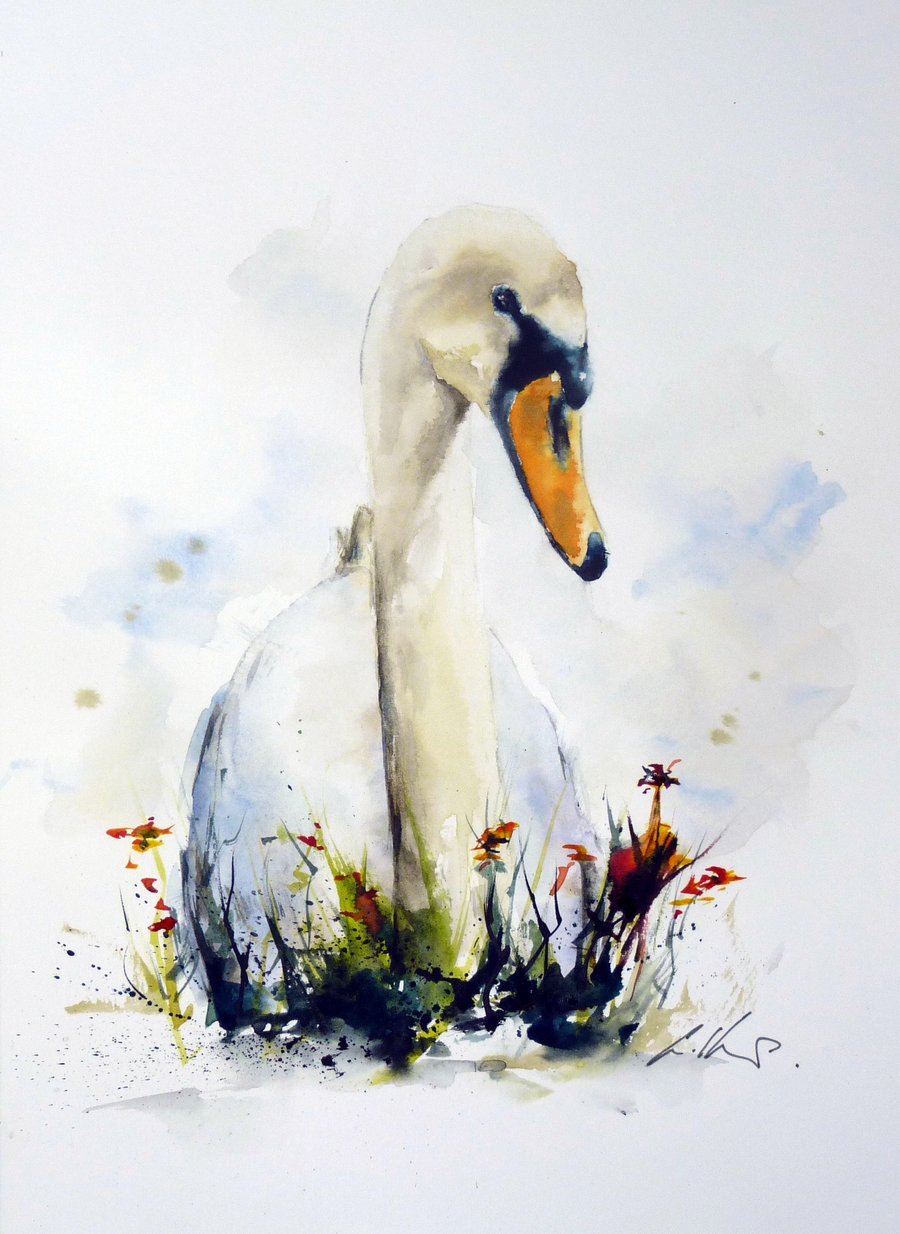
The Timeless Beauty of Watercolor Artwork
Watercolor painting is a delicate and captivating art form that has stood the test of time. Its ethereal quality and fluidity make it a unique medium that has captured the imagination of artists and art enthusiasts for centuries.
One of the defining characteristics of watercolor artwork is its transparency and luminosity. The way the pigments mix with water on the paper creates a soft, dreamlike effect that is both soothing and mesmerising to behold. Artists often use this quality to evoke emotions, capture fleeting moments, or convey a sense of atmosphere in their work.
Despite its seemingly effortless appearance, mastering watercolor painting requires skill, patience, and an understanding of the medium’s unpredictable nature. The artist must work quickly and decisively, as watercolors dry fast and can be challenging to control. This spontaneity adds an element of surprise to each piece, making every brushstroke an opportunity for creativity and expression.
Watercolor artwork can range from intricate botanical illustrations to loose, abstract compositions. Its versatility allows artists to explore a wide range of subjects and styles, from detailed landscapes to vibrant portraits. The subtle blending of colours and the interplay of light and shadow create depth and dimension in a way that is uniquely characteristic of watercolors.
Whether you are an artist looking to experiment with a new medium or an art lover seeking beauty in its purest form, watercolor artwork offers a world of possibilities waiting to be explored. Its timeless appeal lies in its ability to capture the essence of a moment with grace and elegance, inviting viewers to immerse themselves in its gentle allure.
So next time you encounter a watercolor painting, take a moment to appreciate the skill and artistry behind it. Let yourself be drawn into its enchanting world, where colours blend seamlessly like whispers on paper, creating a symphony of beauty that transcends time.
Exploring the Unique Beauty and Versatility of Watercolour Art
- Watercolor artwork has a unique translucency that creates a soft and ethereal quality.
- It allows for subtle blending of colours, creating depth and dimension in the artwork.
- The spontaneity of watercolors adds an element of surprise and creativity to each piece.
- Watercolor painting is versatile, suitable for a wide range of subjects from botanicals to abstract compositions.
- Its luminous quality captures light and shadow in a way that is distinctively beautiful.
Challenges and Limitations of Watercolour Artwork: A Closer Look
- Watercolor paintings can be challenging to control due to the fluid nature of the medium.
- Correcting mistakes in watercolor artwork can be difficult as the paint is transparent and unforgiving.
- Watercolors are more prone to fading over time compared to other painting mediums.
- Achieving vibrant, intense colours in watercolor paintings can be challenging as they tend to dry lighter than when wet.
- The paper used for watercolor painting needs to be of high quality and specific weight, which can add to the overall cost of creating artwork.
Watercolor artwork has a unique translucency that creates a soft and ethereal quality.
Watercolor artwork’s distinctive translucency imparts a gentle and otherworldly charm to the pieces. The soft blending of colours and the subtle interplay of light and shadow give watercolor paintings an ethereal quality that is unmatched by other mediums. This unique characteristic allows artists to capture fleeting moments and evoke emotions with a delicate touch, creating a sense of depth and luminosity that adds a magical allure to each piece.
It allows for subtle blending of colours, creating depth and dimension in the artwork.
Watercolor artwork excels in its ability to facilitate the subtle blending of colours, resulting in a remarkable depth and dimension within the artwork. The gentle fusion of hues on the paper gives rise to a sense of complexity and richness, adding layers of visual interest that draw the viewer deeper into the piece. This unique quality of watercolors allows artists to create intricate transitions between shades, capturing light and shadow with a softness and nuance that is truly captivating. The resulting effect is a masterful interplay of tones that elevates the artwork, infusing it with a sense of depth and realism that is both enchanting and evocative.
The spontaneity of watercolors adds an element of surprise and creativity to each piece.
The spontaneity of watercolors is a defining characteristic that infuses each piece with a sense of surprise and creativity. As the pigments mix with water on the paper, artists must embrace the medium’s unpredictable nature, leading to unexpected outcomes and happy accidents. This element of chance allows for spontaneous brushstrokes and fluid movements that can result in unique textures, blends, and colour interactions. The beauty of watercolor artwork lies in its ability to capture these moments of spontaneity, turning what may initially seem like mistakes into opportunities for artistic expression and innovation.
Watercolor painting is versatile, suitable for a wide range of subjects from botanicals to abstract compositions.
Watercolor painting’s versatility shines through its ability to adapt to a diverse array of subjects, ranging from intricate botanical illustrations to free-flowing abstract compositions. Artists can seamlessly transition between capturing the delicate details of nature in vibrant hues and exploring the depths of creativity through expressive, non-representational forms. This flexibility allows for endless experimentation and creativity, making watercolor artwork a dynamic and engaging medium for artists to express their visions across a broad spectrum of themes and styles.
Its luminous quality captures light and shadow in a way that is distinctively beautiful.
The luminous quality of watercolor artwork is truly remarkable, as it has the ability to capture light and shadow in a manner that is distinctively beautiful. The transparent nature of watercolors allows light to pass through the layers of pigment, creating a radiant glow that adds depth and dimension to the artwork. Shadows are delicately rendered with subtle gradations of colour, enhancing the overall composition with a sense of realism and atmosphere. This unique characteristic of watercolors not only showcases the artist’s skill in manipulating light but also infuses the artwork with a captivating luminosity that draws viewers in and evokes a sense of wonder and admiration.
Watercolor paintings can be challenging to control due to the fluid nature of the medium.
Watercolor artwork presents a con in its inherent challenge of control, stemming from the fluid nature of the medium. Artists working with watercolors often find themselves navigating the delicate balance between spontaneity and precision. The pigments can easily disperse and blend unpredictably on the paper, requiring quick decisions and a steady hand to achieve the desired effect. This lack of control can be both frustrating and exhilarating, as each brushstroke carries the potential to either enhance or alter the intended outcome. Despite this challenge, many artists embrace the fluidity of watercolors as part of their creative process, allowing for moments of unexpected beauty to emerge from the interplay between pigment and water.
Correcting mistakes in watercolor artwork can be difficult as the paint is transparent and unforgiving.
One challenge of working with watercolor artwork is the difficulty of correcting mistakes. Due to the transparent and unforgiving nature of watercolor paint, once a mistake is made, it can be challenging to rectify without compromising the overall integrity of the piece. Unlike opaque mediums where errors can be easily covered up or corrected, watercolors require a delicate touch and strategic approach when addressing any missteps. Artists often need to embrace imperfections as part of the creative process, learning to work with and around mistakes to maintain the fluidity and luminosity that define watercolor art.
Watercolors are more prone to fading over time compared to other painting mediums.
Watercolors, while renowned for their ethereal beauty and delicate charm, are more susceptible to fading over time when compared to other painting mediums. The nature of watercolor pigments and their interaction with paper can lead to gradual light exposure damage, causing colours to lose their vibrancy and intensity over the years. This inherent fragility adds a layer of complexity to the preservation of watercolor artworks, requiring careful handling, framing under UV-protective glass, and controlled display conditions to ensure their longevity and continued visual impact.
Achieving vibrant, intense colours in watercolor paintings can be challenging as they tend to dry lighter than when wet.
One notable challenge of watercolor artwork lies in achieving vibrant, intense colours, as they often dry lighter than when initially applied. This characteristic can lead to unexpected outcomes, requiring artists to carefully plan and adjust their techniques to maintain the desired hue intensity. The delicate balance between wet and dry stages in watercolor painting adds an element of unpredictability, challenging artists to embrace the medium’s unique properties and explore creative solutions to preserve the vibrancy of their colours throughout the painting process.
The paper used for watercolor painting needs to be of high quality and specific weight, which can add to the overall cost of creating artwork.
When it comes to watercolor artwork, one notable drawback is the requirement for high-quality paper of specific weight. This necessity for premium paper adds to the overall cost of creating artwork, as artists need to invest in materials that can withstand the unique demands of watercolor painting. Cheaper or lower-quality paper may not hold up well to the wet-on-wet techniques and layering that are characteristic of watercolor painting, leading to issues such as warping, buckling, or uneven pigment absorption. Therefore, artists must consider this added expense when embarking on watercolor projects to ensure the longevity and quality of their work.