
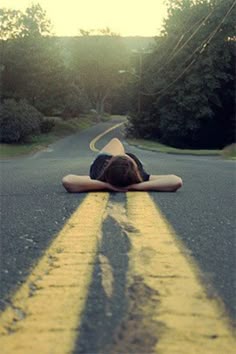
The Power of Photography: Capturing Moments, Memories, and Emotions
Photography is a powerful medium that allows us to freeze moments in time, preserve memories, and evoke a range of emotions through visual imagery. Whether it’s a stunning landscape, a candid portrait, or an abstract composition, photographs have the ability to transcend language and cultural barriers, speaking directly to the soul.
With the advent of digital technology, photography has become more accessible than ever before. Almost everyone carries a camera in their pocket in the form of a smartphone, enabling us to capture everyday moments with ease. This democratization of photography has not only made it a ubiquitous part of our lives but has also sparked creativity and innovation in the field.
Photographs have the power to tell stories, convey messages, and document history in ways that words alone cannot. They can capture raw emotions – joy, sorrow, love, anger – with unparalleled immediacy. A single photograph has the ability to transport us back in time, triggering memories and sensations long forgotten.
Beyond personal memories, photography plays a crucial role in journalism, art, advertising, science, and countless other fields. It can inform us about distant lands and cultures, inspire social change through powerful visual narratives, or simply bring beauty into our everyday lives.
As we navigate an increasingly visual world saturated with images vying for our attention, it is important to pause and appreciate the artistry and storytelling prowess behind each photograph. Behind every photo lies a photographer who carefully composes their shot, manipulates light and shadow to create mood, and captures fleeting moments that would otherwise be lost to time.
So next time you snap a photo or gaze at an image that moves you in some way, take a moment to reflect on the power of photography – its ability to freeze time, stir emotions, and connect us all through shared visual experiences.
Seven Advantages of Photography: Capturing Moments and Telling Visual Stories
- Captures moments that can be cherished forever
- Elicits emotions and memories through visual storytelling
- Provides a creative outlet for self-expression
- Documents history and events in a tangible form
- Allows for sharing experiences and perspectives with others
- Preserves fleeting moments that may otherwise be forgotten
- Enhances communication by conveying messages visually
The Hidden Pitfalls of Photography: Navigating Overexposure, Misuse, and Distorted Realities
- Overexposure to excessive visual stimuli can lead to desensitisation and reduced appreciation for the art of photography.
- Misuse of photographs without proper consent or attribution can infringe on intellectual property rights.
- Relying solely on photographs as a form of communication may limit the depth and nuance of human interaction.
- Editing and manipulation of photos can distort reality, leading to unrealistic beauty standards and false representations.
- Excessive focus on capturing moments through a lens can detract from living in the present and fully experiencing life.
Captures moments that can be cherished forever
Photography holds the remarkable ability to capture fleeting moments in time, preserving them for eternity. Whether it’s a candid smile, a breathtaking sunset, or a tender embrace, photographs have the unique power to immortalize memories that can be cherished and revisited time and time again. This pro of photography allows us to hold onto precious moments that would otherwise slip away into the past, serving as tangible reminders of the beauty and significance of our experiences.
Elicits emotions and memories through visual storytelling
Photography has a unique ability to evoke deep emotions and trigger cherished memories through the art of visual storytelling. A single photograph has the power to transport us back in time, stirring up a myriad of feelings and sensations that may have long been dormant. Through composition, lighting, and subject matter, photographers can craft narratives that resonate with viewers on a profound level, creating a timeless connection between the image and the viewer’s own experiences. In this way, photography serves as a powerful medium for capturing not just moments in time, but the very essence of human emotion and memory.
Provides a creative outlet for self-expression
Photography serves as a profound creative outlet for self-expression, allowing individuals to convey their unique perspectives, emotions, and stories through visual imagery. Through the lens of a camera, artists can capture the world as they see it, infusing their photographs with personal style, meaning, and creativity. Whether experimenting with composition, lighting, or subject matter, photography empowers individuals to explore their innermost thoughts and feelings in a tangible and visually compelling way. This artistic medium not only fosters self-discovery but also enables individuals to communicate with others on a deeper level, forging connections through shared moments of creativity and self-expression.
Documents history and events in a tangible form
Photography serves as a remarkable pro by documenting history and events in a tangible form. Through the lens of a camera, pivotal moments, significant milestones, and everyday occurrences are immortalised, allowing future generations to visually connect with the past. Photographs provide a unique window into history, preserving the essence of bygone eras and serving as invaluable records that capture the spirit of moments that might otherwise fade into obscurity.
Allows for sharing experiences and perspectives with others
Photography serves as a powerful tool that enables individuals to share their unique experiences and perspectives with others. Through the lens of a camera, we can capture moments, emotions, and scenes that hold personal significance or convey a particular message. By sharing our photographs with others, whether through social media, exhibitions, or personal interactions, we open up a window into our world, inviting others to see and understand things from our point of view. This act of sharing not only fosters connection and empathy but also allows for the exchange of diverse ideas and narratives, enriching our collective human experience.
Preserves fleeting moments that may otherwise be forgotten
Photography serves as a remarkable tool in preserving fleeting moments that might otherwise slip away into the depths of memory. By capturing a single frame in time, a photograph immortalises the essence of a moment, allowing us to revisit and relive it long after the event has passed. These snapshots of life’s fleeting beauty serve as poignant reminders of our shared human experience, evoking emotions and memories that may have faded with time. In this way, photography becomes a powerful medium for cherishing the transient yet precious moments that shape our lives.
Enhances communication by conveying messages visually
Photography serves as a powerful tool in enhancing communication by conveying messages visually. Through the art of capturing moments and scenes, photographs have the ability to transcend language barriers and speak directly to viewers’ emotions and intellect. Visual storytelling through photography can evoke strong reactions, spark conversations, and convey complex ideas in a concise and impactful manner. Whether used in advertising, journalism, art, or personal expression, photos have the unique ability to communicate messages effectively and resonate with audiences on a profound level.
Overexposure to excessive visual stimuli can lead to desensitisation and reduced appreciation for the art of photography.
Overexposure to excessive visual stimuli, such as the constant barrage of images in today’s digital age, can have a detrimental effect on our ability to appreciate the art of photography. When bombarded with an overwhelming number of photos, we may become desensitised to their impact and lose the ability to truly engage with and savour each image. This desensitisation can diminish our capacity to recognise the nuances, emotions, and stories captured within photographs, ultimately reducing our overall appreciation for the art form. It is important to strike a balance and approach photography with a mindful eye, allowing ourselves the time and space to fully immerse in the beauty and depth of each image we encounter.
Misuse of photographs without proper consent or attribution can infringe on intellectual property rights.
The misuse of photographs without proper consent or attribution can have serious consequences, as it often infringes on the intellectual property rights of the creators. Photographers invest time, skill, and creativity into capturing images, and their work is protected by copyright laws to ensure that they receive recognition and compensation for their efforts. When photos are used without permission or credit, not only does it undermine the rights of the original creators, but it also diminishes the value of their work. Respecting intellectual property rights is essential in upholding ethical standards in the world of photography and safeguarding the livelihoods of talented individuals behind the lens.
Relying solely on photographs as a form of communication may limit the depth and nuance of human interaction.
Relying solely on photographs as a form of communication may limit the depth and nuance of human interaction. While images can convey powerful emotions and messages, they often lack the subtleties and complexities that come with verbal or written communication. Without additional context or verbal cues, photographs alone may not fully capture the nuances of a conversation or convey the intricacies of human emotions. In a world where visual content is abundant, it is important to remember the richness that comes from engaging in meaningful dialogue and expressing oneself through language to truly connect with others on a deeper level.
Editing and manipulation of photos can distort reality, leading to unrealistic beauty standards and false representations.
The con of editing and manipulation of photos lies in its potential to distort reality, perpetuate unrealistic beauty standards, and present false representations to viewers. By digitally altering images to achieve unattainable levels of perfection, the authenticity and natural beauty of the subject can be compromised. This practice not only creates a skewed perception of beauty but also contributes to a culture where comparison and self-doubt thrive. It is essential to be mindful of the impact of photo editing on societal ideals and individual self-esteem, striving for honesty and authenticity in visual representations.
Excessive focus on capturing moments through a lens can detract from living in the present and fully experiencing life.
In the age of constant documentation and social media sharing, the incessant focus on capturing every moment through a lens can inadvertently detract from our ability to live in the present and fully immerse ourselves in life’s experiences. Instead of being fully engaged in the moment, we may find ourselves preoccupied with framing the perfect shot or seeking validation through likes and comments. This excessive emphasis on photography can create a barrier between us and the raw, unfiltered beauty of reality, diminishing our capacity to appreciate life’s fleeting moments as they unfold before us.