
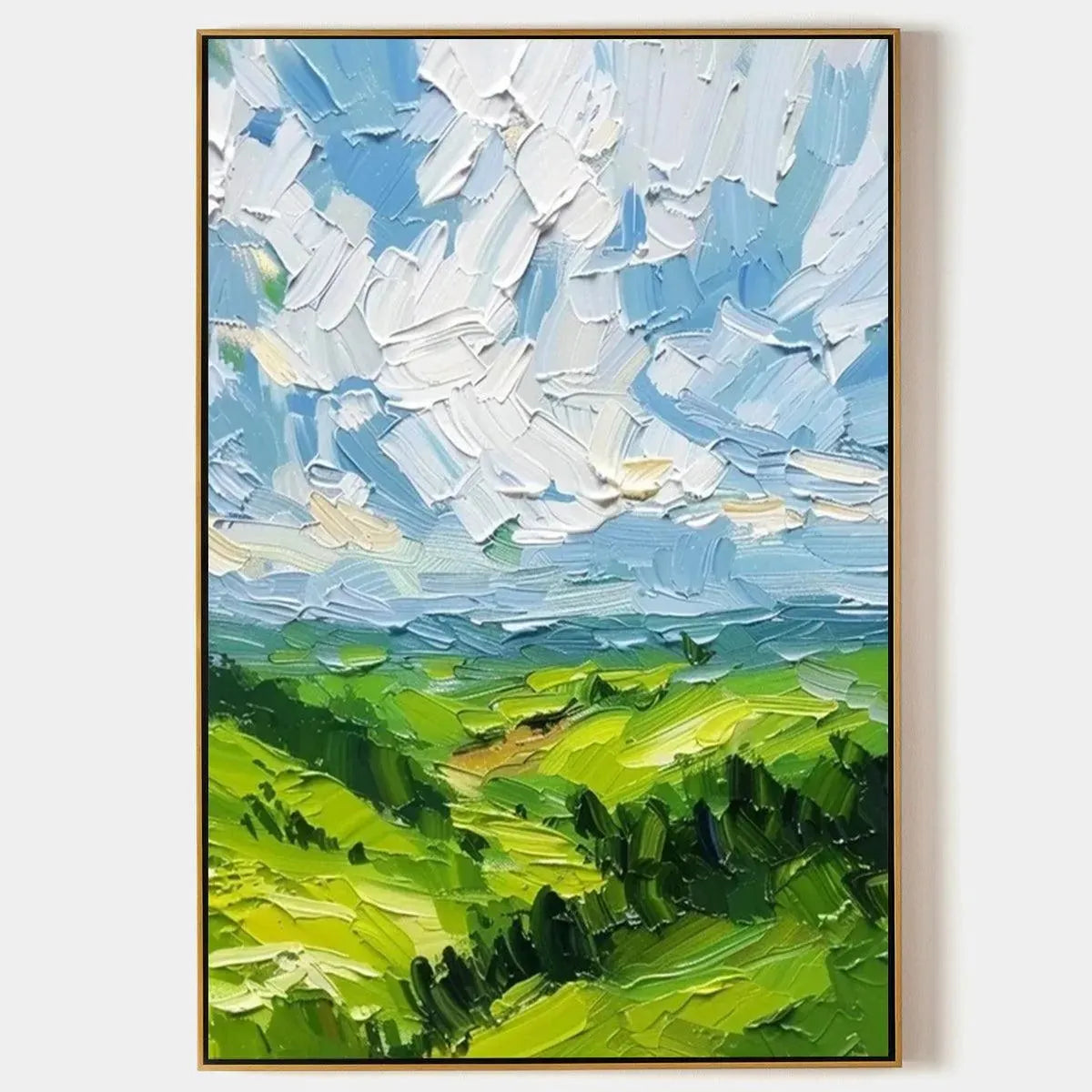
The Timeless Allure of Landscape Artwork
Throughout the history of art, landscapes have held a special place in the hearts of artists and audiences alike. From serene pastoral scenes to dramatic vistas, landscape artwork captures the beauty and essence of the natural world in a way that resonates with our deepest emotions.
One of the most compelling aspects of landscape art is its ability to evoke a sense of place and atmosphere. Skilfully crafted paintings can transport us to distant lands, evoke memories of familiar surroundings, or inspire a newfound appreciation for the world around us.
Artists have long been drawn to the challenge of capturing the ever-changing moods and colours of nature on canvas. From the Impressionists’ shimmering light to the Romanticists’ sublime grandeur, each artistic movement has brought its own unique perspective to the genre.
Contemporary landscape artists continue to push boundaries and explore new ways of interpreting nature through their work. Some choose to focus on environmental themes, highlighting issues such as climate change and conservation, while others seek to express a more personal connection to specific places or moments in time.
Whether painted en plein air or imagined from memory, landscape artwork invites us to pause, reflect, and immerse ourselves in a world of beauty and tranquillity. It serves as a reminder of our interconnectedness with the natural world and offers solace in an increasingly fast-paced and digital age.
As we gaze upon a breathtaking sunset or meander through a lush forest in a painting, we are reminded of nature’s enduring power to inspire wonder and awe. Landscape artwork continues to captivate us with its timeless allure, inviting us to contemplate our place within the vast tapestry of creation.
Mastering Landscape Art: 5 Essential Tips for Capturing Nature’s Beauty
- Focus on capturing the natural beauty and essence of the landscape.
- Experiment with different techniques such as watercolour, acrylics, or pastels to create depth and texture.
- Pay attention to light and shadow to add dimension and realism to your artwork.
- Study perspective to depict distance and create a sense of space in your landscapes.
- Consider incorporating elements such as trees, mountains, rivers, or buildings to enhance the composition.
Focus on capturing the natural beauty and essence of the landscape.
When creating landscape artwork, it is essential to focus on capturing the natural beauty and essence of the landscape. By immersing oneself in the details of the scenery, from the play of light and shadow to the textures and colours of the surroundings, artists can convey a sense of authenticity and connection with the natural world. Embracing the unique characteristics of each landscape allows for a deeper exploration of its inherent charm and evocative power, resulting in artworks that resonate with viewers on a profound level.
Experiment with different techniques such as watercolour, acrylics, or pastels to create depth and texture.
To enhance the depth and texture of your landscape artwork, consider experimenting with various techniques such as watercolour, acrylics, or pastels. Each medium offers unique properties that can add richness and visual interest to your compositions. Watercolours lend a delicate transparency and luminosity to your work, while acrylics provide vibrant colours and versatility. Pastels, on the other hand, offer a softness and blendability that can create a sense of atmosphere and tactile quality in your landscapes. By exploring different techniques, you can elevate your artistry and bring new dimensions to your portrayal of the natural world.
Pay attention to light and shadow to add dimension and realism to your artwork.
When creating landscape artwork, paying careful attention to light and shadow is essential to infuse your pieces with depth, dimension, and a sense of realism. By capturing the interplay of light and shadow in your compositions, you can create a dynamic visual effect that brings your landscapes to life. Shadows can define forms, create contrast, and evoke mood, while light can highlight focal points and add a sense of atmosphere to your scenes. Mastering the nuances of light and shadow will not only enhance the realism of your artwork but also imbue it with a captivating sense of visual richness and complexity.
Study perspective to depict distance and create a sense of space in your landscapes.
To enhance the depth and realism of your landscape artwork, it is essential to study perspective techniques that effectively convey distance and create a sense of vast space within your compositions. By mastering the principles of perspective, such as vanishing points and foreshortening, you can skillfully manipulate scale and proportion to accurately represent the spatial relationships between objects in the foreground, middle ground, and background of your landscapes. This attention to detail not only adds visual interest but also immerses viewers in a captivating world that feels expansive and immersive.
Consider incorporating elements such as trees, mountains, rivers, or buildings to enhance the composition.
When creating landscape artwork, it is essential to consider incorporating elements such as trees, mountains, rivers, or buildings to enhance the composition. These natural and man-made features not only add visual interest but also help establish a sense of scale, depth, and narrative within the piece. Trees can provide a focal point or frame the scene, mountains can convey majesty and grandeur, rivers can lead the viewer’s eye through the painting, and buildings can offer a sense of human presence in the landscape. By carefully selecting and integrating these elements into your artwork, you can elevate the overall composition and create a more immersive and engaging visual experience for the viewer.