
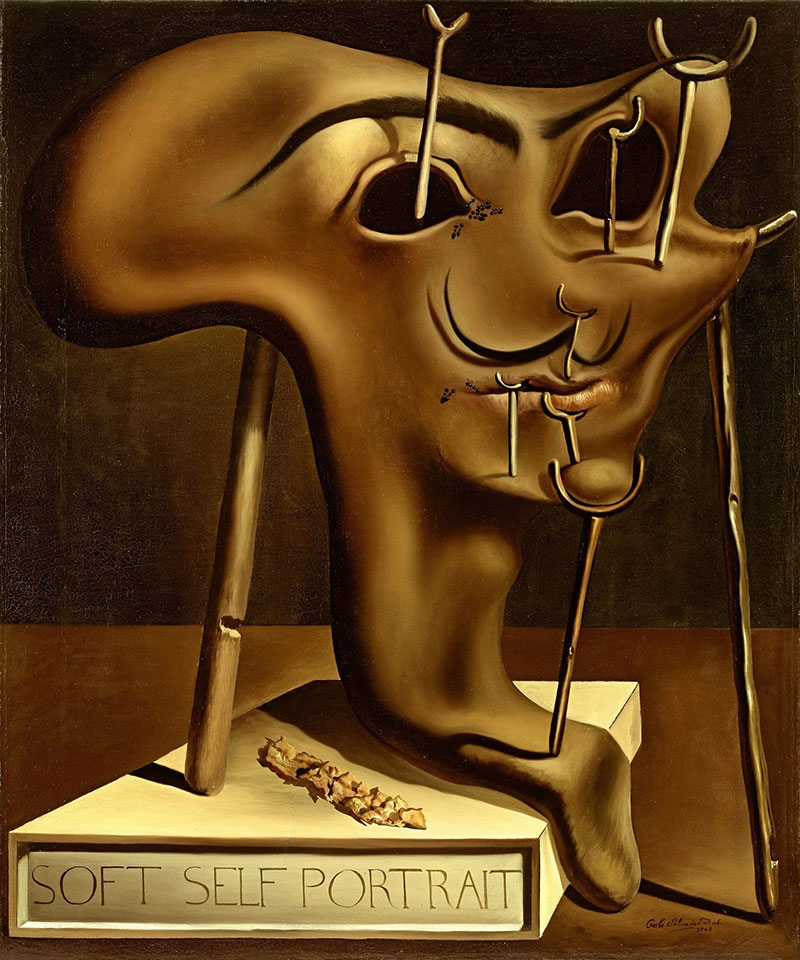
The Surreal World of Salvador Dali’s Art
Salvador Dali, the renowned Spanish surrealist artist, is celebrated for his eccentric and groundbreaking works that continue to captivate audiences around the world. Born in Figueres, Catalonia in 1904, Dali’s art defied convention and pushed the boundaries of imagination.
Dali’s unique style often featured dreamlike landscapes, melting clocks, distorted figures, and intricate symbolism. His paintings are a window into a world where reality merges with fantasy, inviting viewers to question their perceptions and explore the depths of their subconscious minds.
One of Dali’s most famous works is “The Persistence of Memory,” which depicts melting clocks draped over a barren landscape. This iconic painting has become synonymous with Dali’s exploration of time, memory, and the fluidity of existence.
Throughout his career, Dali experimented with various mediums including painting, sculpture, film, and even fashion. His collaboration with filmmaker Luis Buñuel on the surrealistic film “Un Chien Andalou” further solidified his reputation as a pioneer of avant-garde art.
Despite his controversial persona and flamboyant antics, Dali remains a towering figure in the art world. His legacy continues to inspire artists and art enthusiasts alike to embrace creativity without limits and to challenge conventional norms.
Whether you are drawn to the enigmatic allure of surrealism or simply appreciate the sheer audacity of Dali’s vision, there is no denying the enduring impact of his art on contemporary culture. Step into Dali’s surreal world and experience the magic and mystery that continue to define one of the most influential artists of the 20th century.
Exploring the Enigma: 9 Common Questions About Salvador Dali’s Art and Influence
- Who was Salvador Dali and what is he known for?
- What are some of Salvador Dali’s most famous paintings?
- How would you describe Salvador Dali’s art style?
- What is the meaning behind Salvador Dali’s melting clocks in ‘The Persistence of Memory’?
- Did Salvador Dali work in any other artistic mediums besides painting?
- What influenced Salvador Dali’s surrealistic art?
- Where can I see original works by Salvador Dali on display?
- What are some common themes found in Salvador Dali’s artworks?
- How did Salvador Dali’s personal life influence his art?
Who was Salvador Dali and what is he known for?
Salvador Dali was a pioneering Spanish surrealist artist known for his innovative and provocative works that challenged traditional artistic norms. Born in Figueres, Catalonia in 1904, Dali’s art often featured dreamlike imagery, melting clocks, distorted figures, and intricate symbolism. He is best known for his iconic painting “The Persistence of Memory,” which explores themes of time, memory, and the subconscious mind. Dali’s unique style and eccentric persona have cemented his legacy as one of the most influential artists of the 20th century, whose work continues to captivate audiences with its surreal beauty and thought-provoking concepts.
What are some of Salvador Dali’s most famous paintings?
Salvador Dali’s artistic legacy is defined by a plethora of iconic paintings that have left an indelible mark on the world of art. Among his most famous works are “The Persistence of Memory,” featuring melting clocks in a dreamlike landscape that symbolizes the fluidity of time; “The Elephants,” depicting elongated elephants with spindly legs and weightless bodies in a surreal desert setting; “Swans Reflecting Elephants,” showcasing swans on a lake that transform into elephants when reflected, blurring the lines between reality and illusion. These masterpieces, along with many others, showcase Dali’s unparalleled ability to challenge perceptions and evoke deep contemplation through his mesmerising and enigmatic imagery.
How would you describe Salvador Dali’s art style?
Salvador Dali’s art style can be best described as surrealistic, provocative, and deeply symbolic. Known for his vivid imagination and meticulous attention to detail, Dali’s works often feature dreamlike landscapes, melting objects, distorted figures, and bizarre juxtapositions. His paintings blur the line between reality and fantasy, inviting viewers into a world where logic is suspended and the subconscious reigns supreme. Dali’s art is characterised by a meticulous technique known as “hand-painted dream photographs,” where every element is meticulously rendered to create a sense of hyper-realism within fantastical scenes. His use of symbolism and hidden meanings adds layers of complexity to his works, challenging viewers to delve deeper into the enigmatic narratives that unfold on canvas.
What is the meaning behind Salvador Dali’s melting clocks in ‘The Persistence of Memory’?
In Salvador Dali’s iconic painting ‘The Persistence of Memory,’ the melting clocks have been interpreted as a symbol of the fluidity of time and the subjective nature of reality. Dali’s surreal depiction challenges our conventional understanding of time as a fixed and linear concept, instead suggesting that time is malleable and can be distorted. The drooping clocks evoke a sense of timelessness and evoke feelings of both nostalgia and anxiety, inviting viewers to contemplate the fleeting nature of existence and the impermanence of our perceptions. Dali’s melting clocks serve as a visual metaphor for the ever-shifting nature of time and memory, encouraging us to question our assumptions about the world around us.
Did Salvador Dali work in any other artistic mediums besides painting?
Salvador Dali, known for his iconic paintings, also delved into various other artistic mediums throughout his career. In addition to painting, Dali explored sculpture, film, photography, and even fashion design. His multidisciplinary approach allowed him to express his surrealistic vision in diverse forms, showcasing his versatility and innovation as an artist. Dali’s forays into these different mediums not only expanded the scope of his creativity but also cemented his reputation as a pioneering figure in the world of avant-garde art.
What influenced Salvador Dali’s surrealistic art?
Salvador Dali’s surrealistic art was influenced by a myriad of factors that shaped his distinctive style and vision. One of the key influences on Dali’s work was the psychoanalytic theories of Sigmund Freud, particularly Freud’s exploration of the subconscious mind and dreams. Dali’s fascination with the inner workings of the human psyche fuelled his exploration of surrealism as a means of expressing hidden desires, fears, and fantasies. Additionally, Dali drew inspiration from his own dreams and hallucinations, often incorporating symbolic imagery and distorted perspectives in his paintings to evoke a sense of mystery and intrigue. The landscapes of his native Catalonia also played a significant role in shaping Dali’s artistic sensibilities, with elements of Spanish culture and history frequently appearing in his works. Overall, Salvador Dali’s surrealistic art is a reflection of his complex inner world and the diverse influences that shaped his creative expression.
Where can I see original works by Salvador Dali on display?
For art enthusiasts eager to witness the genius of Salvador Dali up close, there are several prestigious museums and galleries around the world that showcase original works by the iconic surrealist artist. Some notable locations include The Dali Museum in St. Petersburg, Florida, which houses an extensive collection of Dali’s paintings, sculptures, and drawings. In Figueres, Spain, visitors can explore the renowned Salvador Dali Theatre-Museum, designed by Dali himself as a homage to his artistic vision. Additionally, major art institutions such as the Museum of Modern Art in New York City and the Tate Modern in London often feature rotating exhibitions of Dali’s masterpieces. These venues offer a unique opportunity to immerse oneself in the surreal world of Salvador Dali and witness firsthand the enduring legacy of one of art history’s most enigmatic figures.
What are some common themes found in Salvador Dali’s artworks?
Salvador Dali’s artworks are renowned for their exploration of surrealism and the subconscious mind, often featuring recurring themes that captivate viewers. Some common motifs found in Dali’s art include melting clocks, distorted figures, dreamlike landscapes, and intricate symbolism. The concept of time, memory, and the fluidity of reality are prevalent themes in his works, inviting audiences to question their perceptions and delve into the depths of their own subconscious minds. Dali’s art challenges conventional norms and pushes the boundaries of imagination, creating a mesmerising world where the familiar merges with the fantastical.
How did Salvador Dali’s personal life influence his art?
Salvador Dali’s personal life played a significant role in shaping his art, as his experiences and emotions often found expression in his surrealistic creations. Dali’s tumultuous relationships, particularly with his muse and wife Gala, influenced the themes of love, desire, and obsession that permeate many of his works. His deep-seated fears and anxieties, stemming from childhood traumas and existential concerns, manifested in the dreamlike landscapes and distorted figures that became synonymous with his style. Dali’s eccentric persona and flamboyant behaviour also seeped into his art, creating a sense of theatricality and provocation that captivated audiences. Ultimately, Salvador Dali’s art served as a mirror to his inner world, reflecting the complexities of his psyche and inviting viewers to delve into the enigmatic depths of his imagination.