
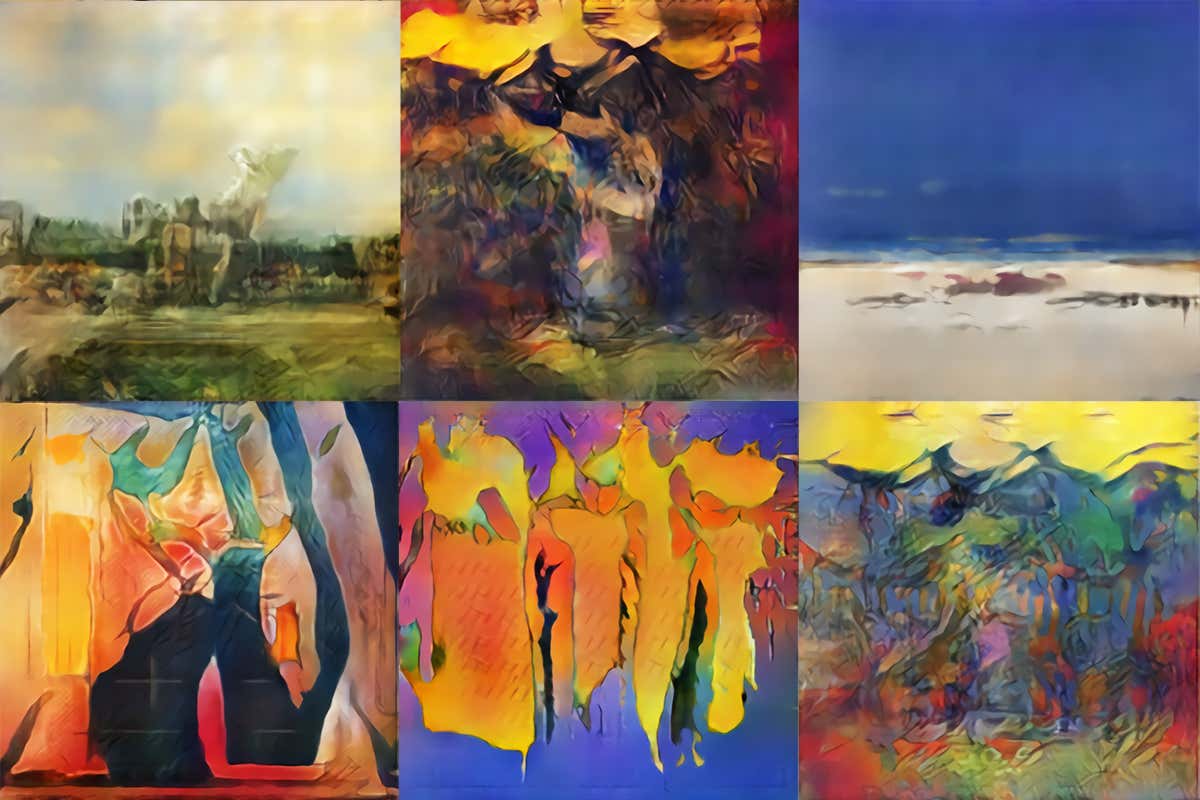
The Rise of AI Painting: A New Era in Art
In recent years, the art world has witnessed a fascinating evolution with the advent of artificial intelligence (AI) painting. This emerging field is reshaping traditional notions of creativity and challenging our understanding of what art can be. As AI technology continues to advance, it opens up new possibilities for artists and enthusiasts alike.
What Is AI Painting?
AI painting involves the use of algorithms and machine learning techniques to create artworks. These systems are trained on vast datasets of existing art, enabling them to generate new pieces that mimic or even innovate upon traditional styles. The process often involves feeding an algorithm with thousands of images, allowing it to learn patterns and techniques that it can later apply autonomously.
The Role of the Artist
One might wonder where the artist fits into this technologically driven process. While AI can generate images independently, human artists play a crucial role in guiding and refining these creations. Artists often curate the input data, adjust algorithmic parameters, and select final outputs that align with their vision. In this collaborative dance between human and machine, new forms of expression emerge.
Challenges and Criticisms
Despite its potential, AI painting is not without its challenges and criticisms. Some critics argue that AI-generated art lacks the emotional depth and intentionality found in human-created works. Others raise concerns about originality and authorship—questions that have long been debated in the art community but are now more pertinent than ever.
The Impact on the Art Market
The influence of AI on the art market is undeniable. In 2018, an AI-generated portrait titled “Edmond de Belamy” was auctioned for an astonishing $432,500 at Christie’s. Such sales highlight both the commercial potential and growing acceptance of AI art within mainstream markets.
A Glimpse into the Future
As technology continues to evolve, so too will its applications in art. We may see more interactive installations where viewers engage with dynamic pieces generated in real time by AI systems. Additionally, collaborations between artists across disciplines could lead to groundbreaking works that blend visual arts with music or literature through shared algorithms.
In conclusion, while AI painting may still be in its infancy compared to centuries-old artistic traditions, it offers exciting opportunities for innovation and exploration within contemporary culture. As we navigate this new era together—where machines become creators alongside humans—the boundaries defining what constitutes “art” will undoubtedly expand beyond our current imagination.
Exploring AI Painting: Understanding Its Mechanics, Artistic Potential, and Ethical Implications
- What is AI painting and how does it work?
- Can artificial intelligence truly be considered an artist?
- How do artists collaborate with AI in the creation of paintings?
- What are the main criticisms of AI-generated art?
- Is AI painting impacting traditional art forms and techniques?
- What ethical considerations arise from the use of AI in creating art?
What is AI painting and how does it work?
AI painting is a revolutionary approach to art creation, utilising artificial intelligence to generate artworks. It involves the use of algorithms and machine learning models trained on vast datasets of existing art. These systems analyse patterns, styles, and techniques from the data, enabling them to produce new and unique pieces. The process typically begins with feeding an AI model numerous images, allowing it to learn and understand various artistic elements. Once trained, the AI can autonomously create artworks that mimic traditional styles or introduce entirely new concepts. While AI can operate independently, human artists often play a vital role in guiding the creative process by selecting input data, adjusting algorithmic parameters, and curating the final outputs to align with their artistic vision. This collaboration between human creativity and machine learning results in innovative works that challenge traditional boundaries of art.
Can artificial intelligence truly be considered an artist?
The question of whether artificial intelligence can truly be considered an artist is a topic of considerable debate. On one hand, AI systems can generate impressive artworks by analysing vast datasets and mimicking styles, techniques, and patterns found in traditional art. However, the essence of artistry is often associated with human experiences, emotions, and intentionality—elements that AI lacks. While AI can produce visually stunning pieces, it does so without personal inspiration or emotional depth. Some argue that AI acts more as a tool or collaborator rather than an independent artist. Ultimately, whether AI can be considered an artist depends on how one defines art and creativity in the context of technological advancements.
How do artists collaborate with AI in the creation of paintings?
Artists collaborate with AI in the creation of paintings by integrating technology into their creative processes, allowing for a dynamic interplay between human intuition and machine learning. Typically, artists begin by curating a dataset of images or styles that align with their artistic vision. This data is used to train AI algorithms, which learn to recognise patterns and techniques from the input. During the creation phase, artists can manipulate algorithmic parameters to influence the output, ensuring it reflects their desired aesthetic. The collaboration often involves iterative experimentation, where artists refine AI-generated images by adjusting variables or combining them with traditional techniques. This partnership enables artists to explore new creative dimensions and push the boundaries of conventional art forms while maintaining their unique artistic voice.
What are the main criticisms of AI-generated art?
AI-generated art has sparked a range of criticisms that centre on its perceived lack of authenticity, creativity, and emotional depth. Critics argue that because AI relies on pre-existing datasets to produce new works, it often lacks the originality and intention that characterise human-created art. This reliance on algorithms can result in pieces that feel derivative or formulaic rather than innovative. Additionally, questions of authorship and ownership arise, as it is unclear whether the credit for such works should go to the machine, its programmer, or the artist who curated the input data. Furthermore, some believe that AI-generated art cannot convey genuine emotion or personal experience, which are often considered essential components of impactful artwork. These concerns highlight an ongoing debate about the role of technology in creative processes and what truly defines art.
Is AI painting impacting traditional art forms and techniques?
AI painting is indeed impacting traditional art forms and techniques, introducing both challenges and opportunities within the art world. By leveraging algorithms and machine learning, AI can replicate or innovate upon classical styles, offering artists new tools to explore creative boundaries. This technological advancement allows for the blending of digital processes with traditional methods, potentially enhancing artistic expression. However, it also raises questions about the authenticity and value of art created through non-traditional means. While some purists may view AI as a threat to conventional artistry, others see it as an exciting extension that complements and enriches traditional practices. As artists increasingly experiment with AI, the dialogue between old and new techniques continues to evolve, reshaping the landscape of contemporary art.
What ethical considerations arise from the use of AI in creating art?
The use of AI in creating art raises several ethical considerations that are increasingly capturing the attention of artists, critics, and technologists. One primary concern is the question of authorship and originality: when an AI system generates a piece of art, it challenges traditional notions of creativity and ownership. There is ongoing debate about whether the credit should go to the algorithm, its developer, or the individual who curated and refined its outputs. Additionally, AI systems often rely on vast datasets of existing artworks for training, raising issues around copyright infringement and intellectual property rights. Another ethical consideration involves the potential for bias in AI-generated art; if the training data lacks diversity or reflects certain prejudices, the resulting artwork may perpetuate these biases. Furthermore, as AI becomes more prevalent in art creation, there is concern about its impact on human artists’ livelihoods and the devaluation of human creativity. Addressing these ethical considerations requires careful deliberation and possibly new frameworks to ensure that AI’s integration into the art world respects both legal standards and cultural values.