
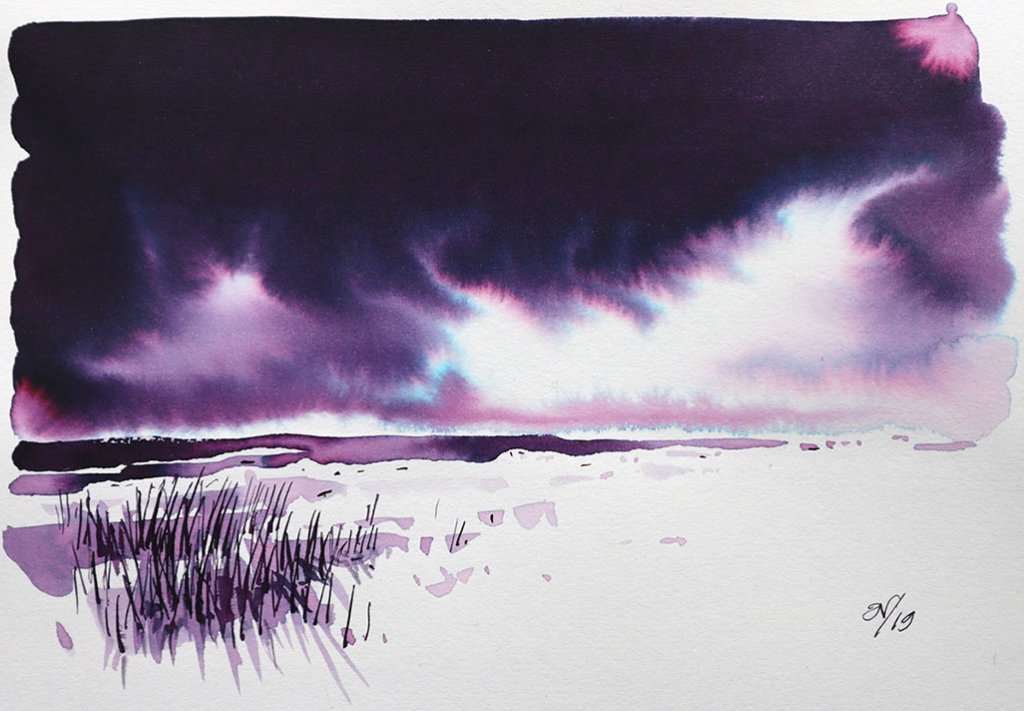
The Beauty of Ink Artwork
Ink artwork has a long and rich history, dating back centuries to ancient cultures that used ink for calligraphy, illustrations, and paintings. Today, ink artwork continues to captivate artists and audiences alike with its unique charm and versatility.
One of the most appealing aspects of ink artwork is its ability to create striking contrasts and textures. Whether using traditional black ink or experimenting with vibrant colours, artists can achieve depth and dimension in their creations. The fluidity of ink allows for dynamic brushstrokes and intricate details, resulting in visually captivating pieces that draw the viewer in.
Another allure of ink artwork is its meditative quality. The process of working with ink requires patience, precision, and a deep connection between the artist’s mind and hand. Each stroke carries intention and emotion, creating a sense of mindfulness and focus that is reflected in the final piece.
From delicate line drawings to bold abstract compositions, ink artwork offers endless possibilities for artistic expression. Artists can explore different techniques such as stippling, hatching, or washes to achieve various effects and moods in their work. The spontaneity of working with ink also allows for happy accidents and unexpected outcomes that can lead to new creative directions.
Whether created using traditional methods or innovative approaches, ink artwork continues to inspire both creators and admirers around the world. Its timeless appeal lies in its ability to evoke emotions, tell stories, and capture moments in a way that is both captivating and enduring.
So next time you encounter an ink artwork, take a moment to appreciate the intricate details, the expressive brushstrokes, and the contemplative spirit that went into its creation. Let yourself be swept away by the beauty of ink artistry.
Exploring Ink Artwork: Materials, Techniques, Textures, Suitability for Beginners, and Renowned Artists
- What materials are commonly used for ink artwork?
- What techniques can artists use to create ink artwork?
- How do artists achieve different textures and effects with ink?
- Is ink artwork suitable for beginners?
- Are there any famous artists known for their ink artwork?
What materials are commonly used for ink artwork?
In ink artwork, artists commonly use a variety of materials to bring their creations to life. Traditional ink artwork often involves the use of black ink made from sources like carbon or lampblack, applied with brushes or pens on paper or silk. In addition to traditional black ink, artists also explore a wide range of coloured inks that add vibrancy and depth to their pieces. Brushes of different sizes and shapes play a crucial role in creating diverse textures and brushstrokes, while specialised papers or surfaces may be chosen to complement the desired effect. Furthermore, some artists incorporate techniques such as ink washes, stippling, or mixed media elements to enhance the visual impact of their artwork. The versatility and adaptability of materials in ink artwork allow for endless experimentation and creativity in the artistic process.
What techniques can artists use to create ink artwork?
Artists have a wide array of techniques at their disposal when creating ink artwork. From traditional methods such as stippling, hatching, and cross-hatching to more experimental approaches like using salt or alcohol to create unique textures, the possibilities are endless. Artists can also explore techniques such as washes, splattering, and blending to achieve different effects and moods in their ink creations. The use of different tools, such as brushes, pens, or even unconventional objects like sticks or feathers, can further enhance the expressive quality of ink artwork. Ultimately, the choice of technique is a deeply personal one for each artist, allowing them to imbue their work with their own style and vision.
How do artists achieve different textures and effects with ink?
Artists achieve a diverse range of textures and effects in ink artwork through a combination of techniques and tools. By varying the pressure applied to the brush or pen, artists can create both bold, expressive lines and delicate, intricate details. Different types of paper or surfaces can also influence how ink is absorbed and dispersed, affecting the final appearance of the piece. Additionally, artists may experiment with diluting the ink with water to create washes or gradients, adding depth and dimension to their work. Through a mastery of techniques such as stippling, cross-hatching, or dry brush, artists skillfully manipulate ink to convey different textures and effects that enhance the visual impact and storytelling within their art.
Is ink artwork suitable for beginners?
Ink artwork can be a wonderful medium for beginners to explore due to its simplicity and versatility. The fluid nature of ink allows for experimentation and creativity, making it accessible for those new to art. Beginners can start with basic techniques such as line drawing or ink washes and gradually progress to more advanced methods as they gain confidence and skills. Working with ink encourages artists to develop a steady hand, attention to detail, and an appreciation for the beauty of simplicity. While mastering ink artwork may require practice and patience, the journey itself can be rewarding and fulfilling for beginners looking to express themselves artistically.
Are there any famous artists known for their ink artwork?
In the realm of ink artwork, several renowned artists have left an indelible mark with their exceptional talent and innovative approaches. One of the most celebrated figures in ink art history is Qi Baishi, a Chinese painter known for his mastery of traditional brushwork and lyrical depictions of nature. Another iconic artist is Katsushika Hokusai, a Japanese ukiyo-e painter famous for his iconic “The Great Wave off Kanagawa” print, showcasing the power and beauty of ink in capturing movement and emotion. These artists, among others, have paved the way for generations to come, inspiring admiration and reverence for the timeless art form of ink artwork.