
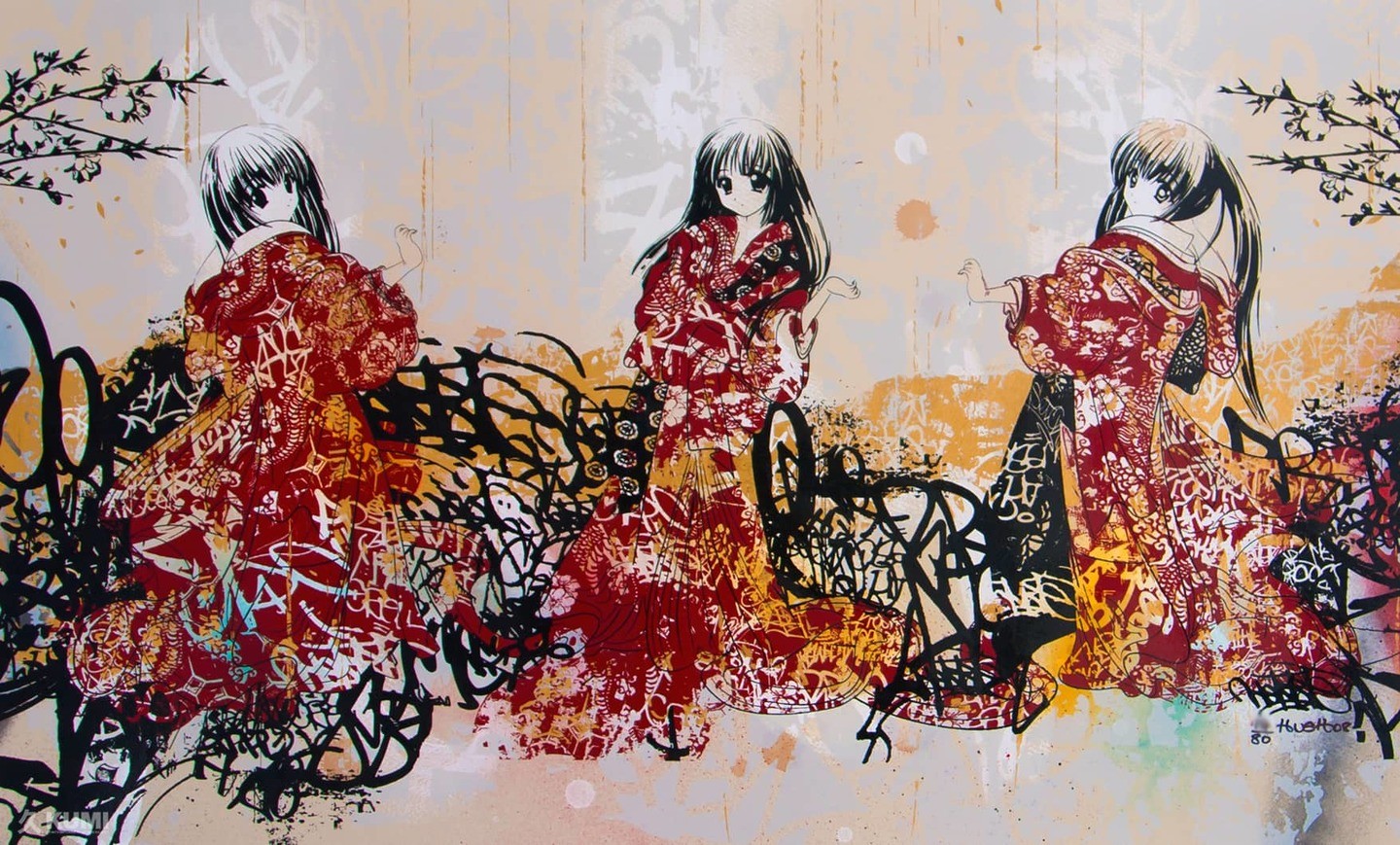
The Beauty of Triptych Art
Triptych art, with its origins dating back to the early Christian era, has long been a powerful and captivating form of artistic expression. Consisting of three panels that are typically hinged together, triptychs offer artists a unique canvas to explore themes, narratives, and emotions in a cohesive yet dynamic manner.
One of the most striking aspects of triptych art is its ability to tell a story or convey a message across multiple panels. Artists often use this format to create a sense of progression or continuity, guiding the viewer through different aspects of a narrative or theme. The central panel is usually the focal point, with the side panels complementing and enhancing the overall composition.
From religious scenes in medieval altarpieces to contemporary abstract interpretations, triptychs have been used across genres and styles to evoke powerful emotions and provoke thought. The division of space into three panels allows for creative exploration of symmetry, balance, and contrast, resulting in visually engaging artworks that captivate the imagination.
Furthermore, triptychs offer artists a versatile format to experiment with different techniques and mediums. Whether it’s painting, photography, mixed media, or digital art, the triptych structure provides a framework for artists to push boundaries and challenge traditional notions of composition and storytelling.
When displayed together as a unified piece, triptychs have a commanding presence that draws viewers in and invites them to immerse themselves in the intricacies of each panel. The physical connection between the panels creates a sense of continuity and cohesion that enhances the overall impact of the artwork.
In today’s art world, triptychs continue to be celebrated for their aesthetic appeal and storytelling potential. Artists around the world embrace this timeless format as a means to explore complex themes, express personal narratives, and engage with viewers on multiple levels.
Whether you’re drawn to traditional religious iconography or contemporary abstract compositions, there is something undeniably compelling about the beauty and versatility of triptych art. As you delve into the world of triptychs, you’ll discover a rich tapestry of creativity that transcends time and genre.
Exploring Triptych Art: Origins, Dimensions, Materials, and Display
- What is triptych art?
- How did triptych art originate?
- What are the typical dimensions of a triptych?
- What materials are commonly used to create a triptych?
- How do artists decide on the layout of a triptych?
- Are there specific themes or subjects that work well in triptych format?
- Can individual panels of a triptych be displayed separately?
What is triptych art?
Triptych art is a captivating form of artistic expression that consists of three panels typically hinged together. This format has a rich history dating back to the early Christian era and continues to be a popular choice for artists seeking to explore themes, narratives, and emotions in a cohesive yet dynamic manner. The central panel often serves as the focal point, with the side panels complementing and enhancing the overall composition. Triptychs offer artists a unique canvas to tell stories, convey messages, and evoke powerful emotions through creative exploration of symmetry, balance, and contrast across multiple panels. Whether depicting religious scenes or abstract interpretations, triptych art captivates viewers with its ability to engage the imagination and provoke thought through a visually compelling presentation.
How did triptych art originate?
The origins of triptych art can be traced back to the early Christian era, where it was commonly used in religious contexts as altarpieces or devotional objects. The format of three panels hinged together allowed artists to depict scenes from biblical narratives or saints’ lives in a visually cohesive manner. Triptychs served not only as decorative elements but also as aids for contemplation and worship, with the central panel often featuring a key figure or event surrounded by complementary scenes on the side panels. Over time, triptych art evolved beyond its religious roots to become a versatile format embraced by artists across different genres and styles for its storytelling potential and aesthetic appeal.
What are the typical dimensions of a triptych?
When it comes to the dimensions of a triptych, there is no one-size-fits-all answer. The typical dimensions of a triptych can vary widely depending on the artist’s vision, the intended display space, and the desired impact of the artwork. While some triptychs may feature panels of equal size for a symmetrical composition, others may incorporate panels of varying sizes to create visual interest and dynamic balance. Artists often tailor the dimensions of a triptych to suit the narrative or theme they wish to convey, allowing for flexibility and creativity in exploring this versatile art form.
What materials are commonly used to create a triptych?
Various materials are commonly used by artists to create triptych art, depending on their preferred medium and style. For traditional painters, acrylics, oils, and watercolours are popular choices for creating vibrant and detailed artworks on canvas or wood panels. Mixed media artists may incorporate a combination of materials such as paper, fabric, found objects, and textures to add depth and complexity to their triptychs. In the digital realm, graphic designers often utilise software tools to design and manipulate images that can be printed on multiple panels. Regardless of the medium, the materials used in creating a triptych play a crucial role in shaping the visual impact and tactile experience of the artwork.
How do artists decide on the layout of a triptych?
When it comes to deciding on the layout of a triptych, artists often consider a multitude of factors to create a cohesive and impactful composition. The arrangement of panels in a triptych is crucial in conveying the intended narrative or theme effectively. Artists may experiment with different configurations to achieve visual balance, flow, and continuity across the panels. The central panel is typically designated as the focal point, with the side panels serving to complement and enhance the overall storytelling. Elements such as colour schemes, subject placement, and visual transitions between panels play a significant role in guiding the viewer’s gaze and creating a harmonious viewing experience. Ultimately, artists meticulously plan and refine the layout of a triptych to ensure that each panel contributes meaningfully to the collective narrative while maintaining an aesthetic unity that captivates and resonates with audiences.
Are there specific themes or subjects that work well in triptych format?
When considering themes or subjects that work well in triptych format, it is important to acknowledge the versatility and storytelling potential that this art form offers. Certain themes lend themselves particularly well to the triptych structure, such as narratives that unfold over time, contrasting elements that can be explored across panels, or interconnected concepts that benefit from visual continuity. Religious, mythological, and historical subjects have historically been popular choices for triptychs due to their inherent depth and complexity. Additionally, abstract themes like emotions, seasons, or natural elements can be effectively conveyed through the segmented layout of a triptych, allowing for a nuanced exploration of interconnected ideas across multiple panels. Ultimately, the best themes for a triptych are those that inspire creativity and invite viewers to engage with the artwork on a deeper level through its unique composition and storytelling capabilities.
Can individual panels of a triptych be displayed separately?
One frequently asked question about triptych art is whether the individual panels can be displayed separately. The answer is yes, each panel of a triptych can be displayed independently, offering flexibility in showcasing the artwork. This allows viewers to appreciate the details and nuances of each panel on its own while still preserving the overall unity and narrative when the panels are viewed together. Displaying individual panels can also create different visual experiences and perspectives, highlighting the versatility and adaptability of triptych art in various settings and contexts.