
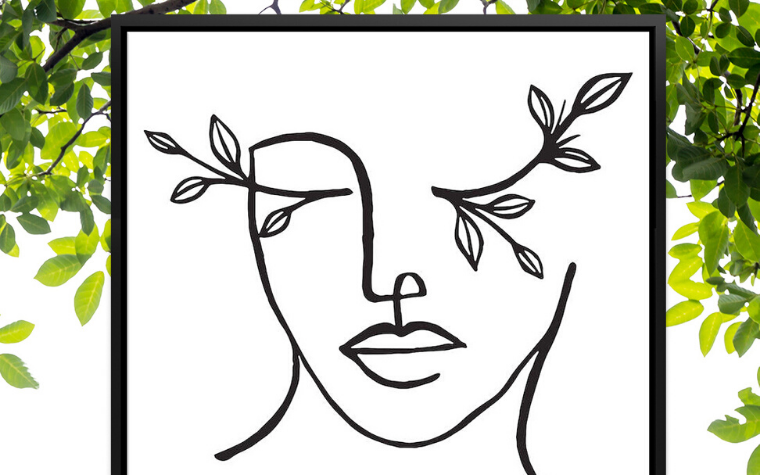
The Beauty of Minimalist Art
Minimalist art is a movement that has captivated audiences around the world with its simplicity, clarity, and profound beauty. Emerging in the 1960s, minimalist art sought to strip away the excess and focus on fundamental elements such as shape, colour, and form.
At the core of minimalist art is the idea that less is more. Artists in this genre aim to convey their message with a minimal amount of visual elements, often using geometric shapes, monochromatic palettes, and clean lines to create powerful compositions.
One of the key principles of minimalist art is the emphasis on space. By allowing ample negative space in their work, artists invite viewers to contemplate the relationship between objects and their surroundings, fostering a sense of calm and contemplation.
Minimalist art encourages viewers to slow down and engage with the artwork on a deeper level. The simplicity of form invites introspection and allows for a personal interpretation of the piece, making each viewing experience unique to the individual.
Artists like Donald Judd, Agnes Martin, and Ellsworth Kelly are renowned for their contributions to minimalist art, each bringing their own distinctive style and vision to the movement. Their works continue to inspire audiences and challenge traditional notions of artistic expression.
Whether displayed in galleries or integrated into everyday spaces, minimalist art has a timeless quality that transcends trends and speaks to our innate desire for clarity and beauty. Its ability to evoke emotion with minimal means is a testament to the enduring power of simplicity in art.
As we navigate an increasingly complex world, minimalist art offers a sanctuary of serenity and elegance—a visual respite that reminds us of the beauty that can be found in simplicity.
Mastering Minimalist Art: 8 Essential Tips for Simplicity and Elegance
- Focus on simplicity and essential elements.
- Use a limited colour palette or stick to monochrome.
- Embrace negative space as an important element in your composition.
- Experiment with different textures and materials for added depth.
- Avoid clutter and unnecessary details in your artwork.
- Strive for balance and harmony in your minimalist compositions.
- Consider the use of geometric shapes and clean lines for a modern look.
- Let the viewer’s imagination fill in the gaps left by your minimalistic approach.
Focus on simplicity and essential elements.
In the realm of minimalist art, a fundamental tip to adhere to is to focus on simplicity and essential elements. By stripping away the superfluous and honing in on the core components of a piece, artists can convey their message with clarity and impact. Embracing minimalism allows for a deeper exploration of form, colour, and space, inviting viewers to engage with the artwork on a more profound level. This emphasis on simplicity not only enhances the visual aesthetics of the piece but also fosters a sense of tranquillity and contemplation, creating a lasting impression that resonates with audiences long after they have experienced the artwork.
Use a limited colour palette or stick to monochrome.
In the realm of minimalist art, a key tip to achieving visual impact is to use a limited colour palette or adhere to monochrome hues. By restricting the range of colours in your artwork, you can create a sense of harmony and focus on the essential elements of shape and form. Embracing a monochromatic approach allows for a heightened emphasis on contrast and texture, lending depth and sophistication to the composition. This deliberate choice not only enhances the aesthetic appeal of the piece but also encourages viewers to engage more deeply with the subtle nuances of the artwork.
Embrace negative space as an important element in your composition.
Embracing negative space as a crucial element in your composition is a fundamental principle of minimalist art. By allowing areas of emptiness to coexist with the visual elements in your artwork, you create a sense of balance, harmony, and depth. The strategic use of negative space not only draws attention to the main subject but also encourages viewers to engage with the surrounding environment, inviting contemplation and introspection. In minimalist art, the absence of content can be just as impactful as the presence of form, highlighting the beauty and significance of what is left unsaid or unseen.
Experiment with different textures and materials for added depth.
To enhance the depth and visual interest of minimalist art, artists can experiment with a variety of textures and materials. By incorporating elements such as rough surfaces, smooth finishes, or tactile fabrics, they can create a multi-dimensional effect that adds richness and complexity to their compositions. This exploration of textures not only engages the sense of touch but also introduces a dynamic interplay between light and shadow, further enhancing the overall impact of the artwork. Experimenting with different textures and materials in minimalist art offers artists a creative avenue to infuse their work with depth and nuance, elevating the viewer’s experience and inviting them to explore the piece on a tactile level.
Avoid clutter and unnecessary details in your artwork.
In the realm of minimalist art, a crucial tip to adhere to is the avoidance of clutter and unnecessary details in your artwork. By stripping away superfluous elements and focusing on essential forms, colours, and lines, artists can create compositions that are striking in their simplicity and clarity. Embracing this principle allows for a more profound connection between the viewer and the artwork, inviting contemplation and appreciation of the fundamental beauty found in minimalism.
Strive for balance and harmony in your minimalist compositions.
In the realm of minimalist art, aspiring artists are encouraged to strive for balance and harmony in their compositions. By carefully considering the placement of elements, the use of negative space, and the interplay of shapes and colours, creators can achieve a sense of equilibrium that enhances the overall impact of their work. This pursuit of balance not only brings a visual coherence to minimalist compositions but also evokes a feeling of tranquillity and completeness that resonates with viewers on a profound level.
Consider the use of geometric shapes and clean lines for a modern look.
When exploring minimalist art, a key tip to achieve a modern aesthetic is to consider the strategic use of geometric shapes and clean lines. By incorporating these fundamental elements into your compositions, you can create a sleek and contemporary visual language that exudes sophistication and clarity. The precision of geometric forms combined with the simplicity of clean lines not only adds a sense of structure to your artwork but also enhances its overall impact, making it visually striking and inherently modern in its appeal.
Let the viewer’s imagination fill in the gaps left by your minimalistic approach.
In the realm of minimalist art, a powerful tip is to let the viewer’s imagination fill in the gaps left by your minimalistic approach. By intentionally leaving space for interpretation and inviting the viewer to engage with the artwork on a personal level, artists can spark curiosity and evoke emotions that go beyond what is explicitly shown. This approach not only encourages a deeper connection between the viewer and the artwork but also allows for a more profound and lasting impact, as each individual brings their own unique perspective and experiences to complete the artistic narrative.