
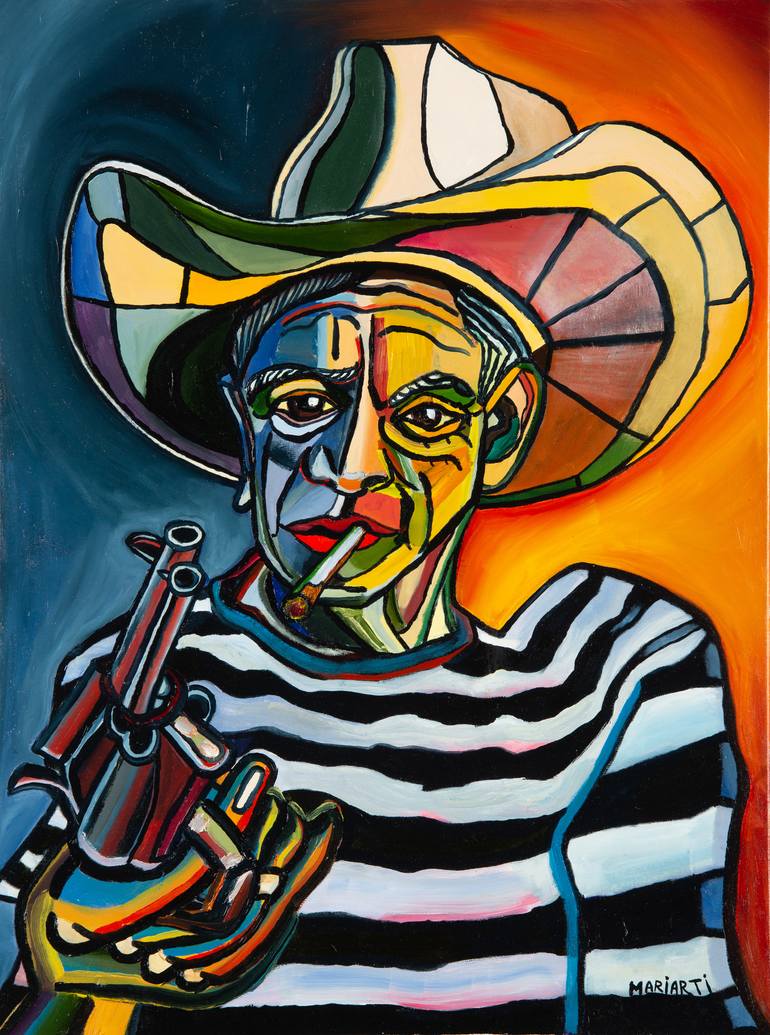
The Timeless Legacy of Picasso’s Artwork
Pablo Picasso, one of the most influential artists of the 20th century, left behind a legacy that continues to captivate and inspire art enthusiasts around the world. His revolutionary approach to art and his unparalleled creativity have solidified his place in art history as a true master.
Throughout his prolific career, Picasso explored a wide range of styles and techniques, constantly pushing the boundaries of traditional art forms. From his early Blue Period to his groundbreaking Cubist works, Picasso’s art reflects a deep sense of innovation and experimentation.
One of Picasso’s most famous works is “Guernica,” a powerful anti-war painting that has become an enduring symbol of protest and resilience. Through bold shapes and stark imagery, Picasso conveys the horrors of war with raw emotion and intensity.
His ability to capture the essence of human emotion and experience is evident in works such as “Les Demoiselles d’Avignon” and “The Weeping Woman.” These paintings showcase Picasso’s unique vision and his talent for distorting form to convey deeper psychological truths.
Picasso’s influence extends far beyond the world of fine art. His collaborations with other artists, writers, and musicians have inspired generations of creatives to think outside the box and embrace new possibilities in their work.
Even decades after his passing, Picasso’s artwork continues to resonate with audiences worldwide. His timeless themes of love, loss, identity, and transformation remain as relevant today as they were during his lifetime.
As we reflect on Picasso’s vast body of work, we are reminded of the enduring power of art to challenge our perceptions, provoke thought, and evoke emotion. His legacy serves as a testament to the boundless potential of artistic expression to shape our understanding of ourselves and the world around us.
Exploring Picasso: Answering Seven Key Questions About His Artistic Legacy
- What is Picasso’s most famous painting?
- How did Picasso contribute to the art world?
- What are the key characteristics of Picasso’s artistic style?
- Why is ‘Guernica’ considered a masterpiece in Picasso’s body of work?
- What inspired Picasso to create his Cubist artworks?
- How did Picasso’s Blue Period influence his later works?
- What is the significance of ‘Les Demoiselles d’Avignon’ in Picasso’s career?
What is Picasso’s most famous painting?
One of the most frequently asked questions about Picasso’s artwork is, “What is Picasso’s most famous painting?” While Picasso created a vast and diverse body of work that continues to captivate audiences worldwide, perhaps his most renowned painting is “Guernica.” This powerful anti-war masterpiece, created in response to the bombing of the Spanish town of Guernica during the Spanish Civil War, is a poignant symbol of protest and human suffering. Through its stark imagery and emotional intensity, “Guernica” stands as a timeless testament to Picasso’s ability to capture the horrors of war and convey profound messages through his art.
How did Picasso contribute to the art world?
Pablo Picasso made an indelible mark on the art world through his groundbreaking contributions that reshaped the landscape of modern art. His innovative approach to form, colour, and composition revolutionised artistic conventions and paved the way for new movements such as Cubism. By challenging traditional notions of representation and perspective, Picasso expanded the possibilities of artistic expression and inspired generations of artists to explore unconventional ways of seeing and interpreting the world. His prolific output across various mediums, from painting and sculpture to printmaking and ceramics, demonstrates his boundless creativity and relentless pursuit of artistic evolution. Picasso’s enduring legacy lies in his ability to push boundaries, provoke thought, and redefine the very essence of what art can be.
What are the key characteristics of Picasso’s artistic style?
One of the most frequently asked questions about Picasso’s artwork revolves around the key characteristics of his artistic style. Picasso’s distinctive style is marked by a bold and innovative approach to form, colour, and composition. His pioneering use of Cubism, a revolutionary art movement he co-founded, shattered traditional notions of perspective and representation. Picasso’s art is known for its fragmented forms, geometric shapes, and dynamic interplay between light and shadow. His ability to distort and deconstruct reality while maintaining a profound sense of emotional depth sets his work apart as truly groundbreaking and timeless.
Why is ‘Guernica’ considered a masterpiece in Picasso’s body of work?
“Guernica” is widely regarded as a masterpiece in Picasso’s body of work due to its profound impact and timeless relevance. Created in response to the tragic bombing of the Spanish town of Guernica during the Spanish Civil War, the painting serves as a powerful anti-war statement. Through its haunting imagery and bold composition, “Guernica” captures the horrors of conflict with raw emotion and stark symbolism. The painting’s monumental scale and intricate details invite viewers to contemplate the human suffering depicted within its frames, making it a poignant reminder of the devastating consequences of war. Picasso’s masterful use of form and colour in “Guernica” elevates it to a work of art that transcends its historical context, resonating with audiences as a universal symbol of protest, resilience, and the enduring human spirit.
What inspired Picasso to create his Cubist artworks?
Pablo Picasso’s Cubist artworks were inspired by a desire to break free from traditional artistic conventions and explore new ways of representing the world. Influenced by African tribal art, Iberian sculpture, and the works of Paul Cézanne, Picasso sought to challenge the notion of perspective and form in his art. By deconstructing objects into geometric shapes and reimagining them from multiple viewpoints simultaneously, Picasso aimed to capture the essence of his subjects in a more dynamic and complex manner. The Cubist movement, pioneered by Picasso and Georges Braque, revolutionised modern art by pushing boundaries and provoking viewers to see beyond the surface of reality.
How did Picasso’s Blue Period influence his later works?
Picasso’s Blue Period, characterized by its somber colour palette and themes of melancholy and poverty, played a pivotal role in shaping the trajectory of his artistic career. During this period, which spanned from 1901 to 1904, Picasso’s exploration of human suffering and emotional depth laid the foundation for his later works. The introspective nature of the Blue Period not only honed Picasso’s technical skills but also instilled in him a profound sense of empathy and sensitivity towards the human condition. This period of intense introspection and experimentation paved the way for Picasso’s transition into Cubism and other innovative styles, where he continued to challenge artistic conventions and redefine the boundaries of visual expression. The influence of Picasso’s Blue Period can be seen throughout his oeuvre, as it served as a catalyst for his evolution as an artist who dared to explore the depths of human experience through his groundbreaking creations.
What is the significance of ‘Les Demoiselles d’Avignon’ in Picasso’s career?
‘Les Demoiselles d’Avignon’ holds a significant place in Picasso’s career as a pivotal work that marked a radical departure from traditional artistic conventions. Created in 1907, this groundbreaking painting is considered a seminal piece in the development of Cubism, a revolutionary art movement that would redefine the way artists approached form, space, and perspective. By introducing fragmented and distorted forms in ‘Les Demoiselles d’Avignon,’ Picasso challenged the notion of representational art and paved the way for a new era of artistic experimentation. This masterpiece not only showcases Picasso’s technical skill but also demonstrates his willingness to push boundaries and explore new possibilities in art, setting the stage for his future innovations and cementing his reputation as a visionary artist ahead of his time.