
Exploring the Timeless Beauty of Leonardo da Vinci’s Paintings
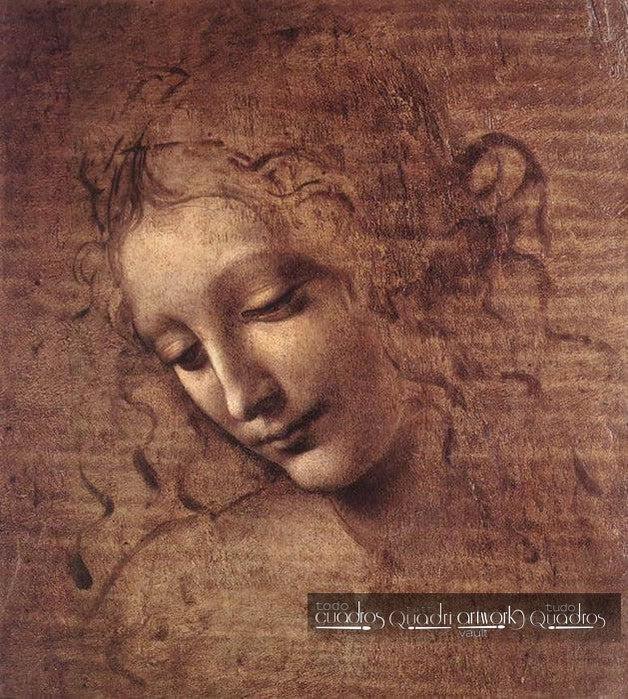
Leonardo da Vinci, the legendary Italian artist and polymath of the Renaissance era, is renowned for his exceptional talents in various fields, including painting. His paintings are not only masterpieces of art but also windows into a world of profound beauty and complexity.
One of da Vinci’s most famous works is the iconic “Mona Lisa,” known for its enigmatic smile and intricate details that continue to captivate viewers centuries after its creation. The painting’s subtle use of light and shadow, combined with da Vinci’s meticulous attention to detail, exemplifies his unparalleled skill as a painter.
Another notable painting by da Vinci is “The Last Supper,” a monumental fresco that depicts the dramatic moment when Jesus reveals that one of his disciples will betray him. The composition, perspective, and emotional depth portrayed in this work have solidified its status as a masterpiece of Western art.
Da Vinci’s artistic genius extended beyond traditional religious subjects to include scientific illustrations and studies of anatomy. His detailed drawings of human anatomy revolutionised the understanding of the human body and remain invaluable contributions to both art and science.
Each painting by Leonardo da Vinci offers a glimpse into the mind of a true visionary whose creativity knew no bounds. His ability to capture emotion, movement, and beauty on canvas continues to inspire artists and art enthusiasts worldwide.
As we marvel at the timeless beauty of Leonardo da Vinci’s paintings, we are reminded of the enduring impact that great art can have on our lives and our understanding of the world around us.
Exploring the Mastery of Leonardo da Vinci: 6 Insights into His Iconic Paintings
- Leonardo da Vinci’s paintings often feature intricate details and realistic human forms.
- His use of sfumato technique, blending colours and tones together seamlessly, creates a sense of depth and softness in his works.
- Da Vinci was known for his mastery of light and shadow, which added realism and drama to his paintings.
- He frequently incorporated symbolism and hidden meanings in his artwork, inviting viewers to delve deeper into the layers of his compositions.
- Studying the composition and perspective in da Vinci’s paintings can offer insights into his innovative approach to art.
- Exploring the historical context behind each painting can provide a richer understanding of da Vinci’s influences and intentions.
Leonardo da Vinci’s paintings often feature intricate details and realistic human forms.
Leonardo da Vinci’s paintings are renowned for their exquisite attention to detail and lifelike portrayal of human forms. His meticulous approach to capturing the nuances of expression, anatomy, and movement in his artworks sets him apart as a master of realism. Through his careful observation and technical skill, da Vinci breathed life into his subjects, creating timeless works of art that continue to captivate audiences with their intricate beauty and profound humanity.
His use of sfumato technique, blending colours and tones together seamlessly, creates a sense of depth and softness in his works.
Leonardo da Vinci’s mastery of the sfumato technique, delicately blending colours and tones to create seamless transitions, imbues his paintings with a remarkable sense of depth and softness. This unique approach to shading and blending not only adds a sense of realism to his works but also infuses them with an ethereal quality that enhances the overall beauty and complexity of his artistry.
Da Vinci was known for his mastery of light and shadow, which added realism and drama to his paintings.
Leonardo da Vinci’s artistic brilliance shone through in his mastery of light and shadow, a technique that brought a sense of realism and drama to his paintings. By skillfully manipulating light and shadow, da Vinci was able to create depth, texture, and emotion in his works, captivating viewers with the illusion of three-dimensionality. This attention to detail not only showcased his technical prowess but also added an extra layer of depth and complexity to his art, making each painting a visual masterpiece that continues to intrigue and inspire audiences worldwide.
He frequently incorporated symbolism and hidden meanings in his artwork, inviting viewers to delve deeper into the layers of his compositions.
Leonardo da Vinci’s paintings are not merely visual spectacles; they are intricate tapestries of symbolism and hidden meanings waiting to be unravelled by the discerning viewer. Through his art, da Vinci masterfully weaves layers of complexity, inviting us to embark on a journey of discovery and interpretation. Each brushstroke, each element carefully placed within his compositions serves a purpose beyond the surface, encouraging us to delve deeper into the rich tapestry of his artistic vision.
Studying the composition and perspective in da Vinci’s paintings can offer insights into his innovative approach to art.
Studying the composition and perspective in Leonardo da Vinci’s paintings provides a fascinating glimpse into his innovative approach to art. By analysing how da Vinci arranged elements within his compositions and manipulated perspective to create depth and realism, one can truly appreciate the genius behind his work. His meticulous attention to detail and mastery of visual storytelling are evident in every brushstroke, offering valuable insights into the mind of a true artistic pioneer.
Exploring the historical context behind each painting can provide a richer understanding of da Vinci’s influences and intentions.
Exploring the historical context behind each of Leonardo da Vinci’s paintings can offer a deeper and more nuanced understanding of his influences and intentions as an artist. By delving into the political, cultural, and social milieu of da Vinci’s time, we can unravel the layers of meaning embedded in his works and appreciate the subtle nuances that reflect the era in which they were created. Understanding the historical backdrop against which da Vinci painted allows us to grasp the complexities of his artistic vision and sheds light on the profound impact he had on shaping the art world of his time and beyond.