
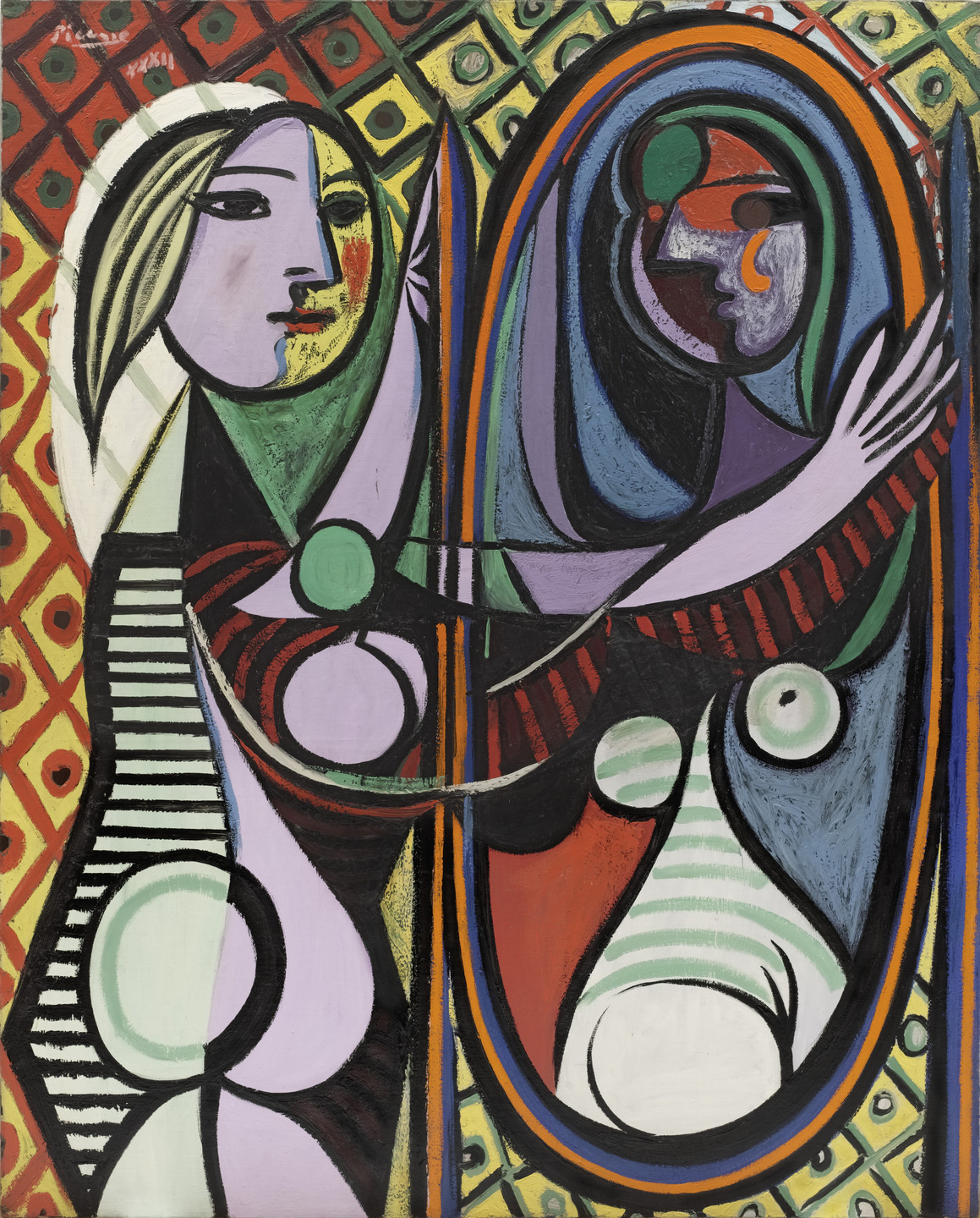
The Timeless Artistry of Pablo Picasso
Pablo Picasso, one of the most influential artists of the 20th century, left an indelible mark on the world of art with his revolutionary creations. Born in Spain in 1881, Picasso’s artistic journey spanned a multitude of styles and movements, earning him a reputation as a true master of modern art.
One of Picasso’s most renowned periods is his pioneering work in Cubism. Through fragmented forms, geometric shapes, and innovative use of perspective, he challenged traditional notions of representation and perception. Paintings such as “Les Demoiselles d’Avignon” and “Guernica” stand as iconic examples of his Cubist vision.
Beyond Cubism, Picasso’s artistic versatility shone through in his exploration of Surrealism, Symbolism, and Classicism. His ability to seamlessly transition between styles showcased his boundless creativity and artistic prowess.
What sets Picasso apart is not only his technical skill but also the depth of emotion and meaning imbued in his artwork. Each brushstroke seems to capture a moment in time, a fleeting emotion, or a profound insight into the human condition.
Even today, Picasso’s legacy continues to inspire artists and art enthusiasts worldwide. His works adorn museums and galleries, serving as testaments to the enduring power of creativity and imagination.
As we reflect on the timeless artistry of Pablo Picasso, we are reminded that true genius knows no bounds. His contributions to the world of art remain unparalleled, leaving an everlasting impact that transcends generations.
Exploring Pablo Picasso: Key Questions About His Artistic Legacy and Influence
- What is Pablo Picasso known for in his artwork?
- What are the main art movements associated with Pablo Picasso?
- How did Pablo Picasso influence modern art?
- What are some famous paintings by Pablo Picasso?
- What techniques did Pablo Picasso use in his artwork?
- Where can I see original Pablo Picasso artworks?
- What is the significance of ‘Guernica’ in Pablo Picasso’s body of work?
What is Pablo Picasso known for in his artwork?
Pablo Picasso is renowned for his groundbreaking contributions to the world of art, particularly for his pioneering work in Cubism. Picasso’s innovative approach to representation, characterized by fragmented forms and geometric shapes, revolutionized traditional artistic conventions. His iconic paintings, such as “Les Demoiselles d’Avignon” and “Guernica,” exemplify his mastery of Cubist principles and his ability to challenge perceptions of reality. Beyond Cubism, Picasso’s diverse body of work also encompasses Surrealism, Symbolism, and Classicism, showcasing his unparalleled versatility and creative genius. Overall, Pablo Picasso is celebrated for his profound impact on modern art and his enduring legacy as a visionary artist.
What are the main art movements associated with Pablo Picasso?
Pablo Picasso, a visionary artist of the 20th century, is closely associated with several major art movements that shaped the course of modern art history. Foremost among these is Cubism, a revolutionary style that Picasso co-founded with Georges Braque. Cubism challenged traditional notions of perspective and representation through fragmented forms and geometric shapes. Picasso’s exploration of Surrealism, Symbolism, and Classicism further showcases his artistic versatility and willingness to push boundaries. His ability to seamlessly transition between these movements highlights his innovative spirit and enduring influence on the art world.
How did Pablo Picasso influence modern art?
Pablo Picasso’s influence on modern art is profound and far-reaching. Through his groundbreaking innovations in Cubism, Surrealism, and other artistic movements, Picasso challenged the conventions of traditional art and reshaped the very essence of visual expression. His fragmented forms, distorted perspectives, and bold experimentation with colour and texture revolutionised the way artists approached representation and abstraction. By pushing boundaries and defying norms, Picasso inspired generations of artists to think outside the box, embrace individuality, and explore new realms of creativity. His legacy as a visionary pioneer continues to shape the landscape of modern art, serving as a beacon of inspiration for those seeking to push artistic boundaries and redefine the possibilities of visual storytelling.
What are some famous paintings by Pablo Picasso?
Pablo Picasso, a prolific artist with a rich and diverse body of work, is renowned for creating several iconic paintings that have left an indelible mark on the art world. Some of his most famous works include “Les Demoiselles d’Avignon,” a groundbreaking piece that heralded the Cubist movement; “Guernica,” a powerful anti-war statement depicting the horrors of conflict; “The Weeping Woman,” a poignant portrayal of grief and anguish; and “The Old Guitarist,” a haunting representation of solitude and introspection. These masterpieces showcase Picasso’s unparalleled creativity, technical skill, and ability to evoke profound emotions through art.
What techniques did Pablo Picasso use in his artwork?
Pablo Picasso, a pioneering artist of the 20th century, employed a diverse range of techniques in his artwork that revolutionised the art world. One of his most notable techniques was Cubism, where he fragmented forms and reimagined perspective to create dynamic and multi-dimensional compositions. Picasso also experimented with collage, incorporating elements such as newspaper clippings and fabric into his pieces to challenge traditional notions of art-making. His use of colour was bold and expressive, often conveying emotion and depth in unexpected ways. Additionally, Picasso’s innovative approach to sculpture showcased his mastery of form and material. Through a combination of these techniques and his boundless creativity, Picasso’s artwork continues to captivate audiences worldwide.
Where can I see original Pablo Picasso artworks?
If you are eager to witness the brilliance of original Pablo Picasso artworks in person, you can embark on a captivating journey through various renowned art museums and galleries around the world. Institutions such as the Museo Picasso in Barcelona, Spain, and the Picasso Museum in Paris, France, offer a comprehensive collection of his masterpieces that provide a profound insight into the artist’s revolutionary vision and unparalleled talent. Additionally, major art institutions like The Museum of Modern Art (MoMA) in New York City and the Tate Modern in London often feature rotating exhibitions showcasing Picasso’s iconic works, allowing art enthusiasts to experience his timeless artistry up close and personal.
What is the significance of ‘Guernica’ in Pablo Picasso’s body of work?
‘Guernica’, a monumental masterpiece by Pablo Picasso, holds immense significance in the artist’s body of work. Created in response to the tragic bombing of the Spanish town of Guernica during the Spanish Civil War, this powerful painting serves as a poignant symbol of the horrors of war and human suffering. Through its haunting imagery and stark monochromatic palette, ‘Guernica’ conveys a sense of anguish and protest against violence and injustice. Picasso’s bold artistic statement in this work not only showcases his technical skill but also his deep empathy for the plight of humanity. ‘Guernica’ stands as a timeless testament to the artist’s unwavering commitment to using art as a tool for social commentary and advocacy for peace.