
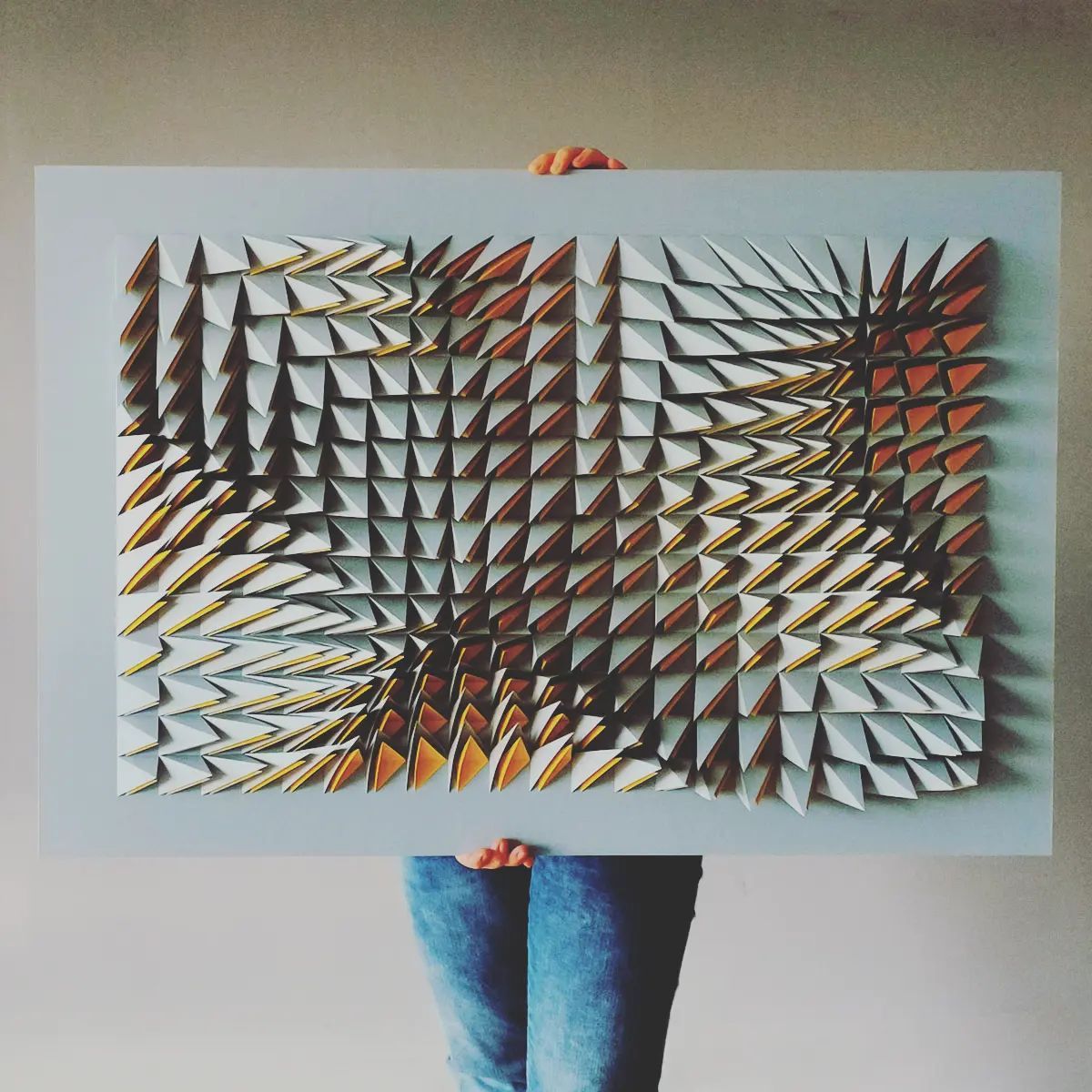
The Beauty of Geometric Artwork
Geometric artwork, with its clean lines, precise shapes, and harmonious patterns, has captivated art enthusiasts for centuries. From ancient civilizations to modern-day artists, the allure of geometric art lies in its ability to evoke a sense of order, balance, and symmetry.
One of the defining features of geometric artwork is its mathematical precision. Artists use geometric shapes such as circles, squares, triangles, and polygons to create intricate designs that are both visually striking and intellectually stimulating. The use of geometry in art dates back to the ancient Greeks, who believed that mathematical principles underpinned the natural world and could be used to create aesthetically pleasing compositions.
Geometric artwork can be found in various forms, including paintings, sculptures, architecture, and even digital art. Artists often experiment with different geometric patterns and colour combinations to create pieces that are both captivating and thought-provoking. Some artists use geometry as a way to explore themes of symmetry and balance, while others use it as a tool for abstraction and experimentation.
One of the most famous examples of geometric artwork is the work of Dutch artist Piet Mondrian. Mondrian’s iconic compositions featuring grids of black lines intersecting with blocks of primary colours have become synonymous with the De Stijl art movement. His paintings exemplify the power of geometry to convey a sense of order and harmony in art.
Whether you are drawn to the precision of geometric shapes or the mesmerising patterns they create, there is no denying the enduring appeal of geometric artwork. Its ability to transcend time and culture speaks to the universal language of shape and form that resonates with audiences around the world.
Next time you encounter a piece of geometric artwork, take a moment to appreciate the meticulous craftsmanship and thoughtful design behind it. Let yourself be immersed in the world of shapes and patterns that invite contemplation and appreciation for the beauty of geometry in art.
5 Tips for Crafting Stunning Geometric Artwork
- Experiment with different shapes and patterns to create visually appealing compositions.
- Use a variety of colours to add depth and interest to your geometric artwork.
- Pay attention to symmetry and balance in your designs for a harmonious look.
- Explore different techniques such as tessellation and perspective to enhance your geometric creations.
- Don’t be afraid to mix traditional geometric shapes with more abstract elements for a unique style.
Experiment with different shapes and patterns to create visually appealing compositions.
To enhance the visual impact of your geometric artwork, consider experimenting with a variety of shapes and patterns to create compositions that are both dynamic and visually engaging. By exploring different combinations of geometric elements, such as circles, squares, triangles, and polygons, you can infuse your artwork with a sense of movement, balance, and rhythm. Play with contrasting shapes and overlapping patterns to add depth and complexity to your compositions, allowing your artistic vision to evolve and flourish in new and exciting ways.
Use a variety of colours to add depth and interest to your geometric artwork.
When creating geometric artwork, incorporating a diverse range of colours can elevate your piece by adding depth, vibrancy, and visual interest. By carefully selecting a palette that complements your chosen geometric shapes, you can enhance the overall impact of your artwork and create a dynamic interplay between form and colour. Experimenting with different hues, tones, and shades allows you to evoke different moods and emotions within your geometric compositions, making them more engaging and captivating to viewers.
Pay attention to symmetry and balance in your designs for a harmonious look.
When creating geometric artwork, it is crucial to pay attention to symmetry and balance in your designs to achieve a harmonious look. By carefully considering the placement of shapes and patterns, you can create compositions that feel visually pleasing and well-structured. Symmetry can evoke a sense of order and stability, while balance ensures that the elements in your artwork are distributed evenly, creating a cohesive and aesthetically pleasing result. Embracing these principles of symmetry and balance can elevate your geometric art pieces, inviting viewers to appreciate the beauty of harmonious design.
Explore different techniques such as tessellation and perspective to enhance your geometric creations.
To elevate your geometric artwork, consider delving into various techniques like tessellation and perspective. By incorporating tessellation, where shapes fit together seamlessly to cover a surface without any gaps or overlaps, you can create mesmerising patterns that add depth and complexity to your compositions. Additionally, exploring the use of perspective in your geometric creations can bring a sense of dimension and spatial awareness, allowing viewers to engage with your art on multiple levels. Experimenting with these techniques opens up a world of creative possibilities and can truly enhance the impact of your geometric masterpieces.
Don’t be afraid to mix traditional geometric shapes with more abstract elements for a unique style.
When exploring geometric artwork, it is important not to shy away from blending traditional geometric shapes with more abstract elements to create a distinctive and unique style. By combining the precision of geometric forms with the fluidity of abstract elements, artists can push the boundaries of conventional artistry and introduce unexpected textures, patterns, and visual dynamics into their work. Embracing this creative fusion allows for endless possibilities in creating art that is both visually captivating and intellectually stimulating.