
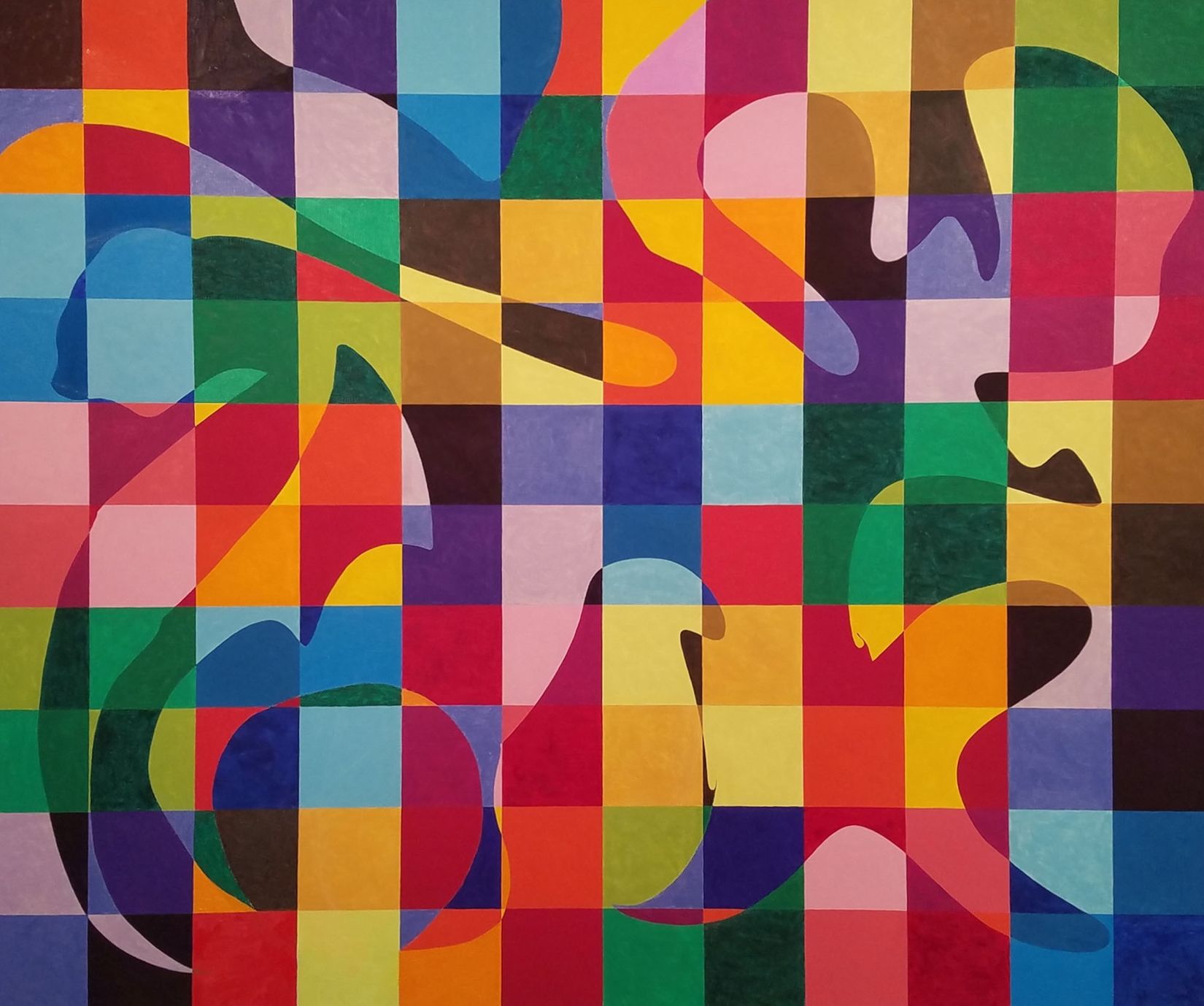
Shape in the Visual Arts
Shape is one of the basic building blocks of visual art. It helps artists organise an image, guide the viewer’s attention and suggest ideas or emotions. From the simple outline of a circle to the complex silhouette of a figure, shapes give pictures structure and help make their subjects recognisable.
What is shape?
A shape is a two-dimensional area defined by its edges. It has height and width, but no depth of its own. Shapes may be outlined clearly, created by changes in colour or tone, or implied by the arrangement of other elements.
Shape is closely related to form, but the terms mean different things. Shape is flat, while form describes volume and depth. A painted circle is a shape; shading it to suggest a sphere gives the image a sense of form. Artists often use light, shadow, perspective and overlapping to make flat shapes appear three-dimensional.
Geometric and organic shapes
Shapes are often grouped into two broad categories:
- Geometric shapes are regular and clearly defined, such as circles, squares, triangles and rectangles. They can suggest order, balance, stability or precision.
- Organic shapes are irregular and often resemble forms found in nature, such as leaves, clouds, stones or bodies. Their flowing edges can feel spontaneous, delicate or energetic.
Many artworks combine both types. A painter might set an organic figure against a geometric background, or use soft, natural shapes within a carefully ordered design. The contrast can create visual interest and draw attention to particular parts of the work.
Positive and negative space
Shape is not only about the objects an artist depicts. It is also about the space around and between them. The area occupied by a subject is known as positive space; the surrounding areas are called negative space.
Negative space is an active part of a composition. It can separate forms, create a sense of openness or crowding, and sometimes become a shape in its own right. Looking at the gaps between objects can help viewers notice patterns and proportions that might otherwise go unseen. Artists use this relationship in everything from figure drawing to graphic design and sculpture.
How shape guides the viewer
The size, placement and arrangement of shapes affect how an image is read. Large shapes may dominate a composition, while smaller ones can add detail or create a sense of scale. Repeated shapes establish rhythm and unity; contrasting shapes can introduce tension or movement.
Edges also influence the character of a shape. A crisp, sharply defined edge may feel decisive, while a blurred or broken edge can seem softer and less certain. Artists can use these differences to control emphasis, create atmosphere and lead the eye through a work.
Shape across different art forms
In drawing and painting, shape may be defined by line, colour, light or shadow. In printmaking, simplified shapes can make images bold and easy to read. In sculpture, shapes occupy physical space and can be viewed from different angles. In architecture, the shapes of buildings and their openings affect both appearance and the way people move through a space.
Shape is also central to abstract art. An artist may simplify or distort familiar objects, or use shapes without depicting recognisable subjects at all. In these works, the relationships between shapes—their balance, scale, colour and position—can carry the main meaning.
Looking at shape in an artwork
When studying an artwork, try looking beyond the subject matter. Notice its largest shapes first, then consider how smaller shapes relate to them. Ask yourself whether the shapes are geometric or organic, where the positive and negative spaces appear, and how repetition or contrast affects the composition. You might also consider whether the shapes feel balanced, crowded, calm or dynamic.
Shape may seem like a simple visual element, but it has a powerful role in how art communicates. By arranging areas of space, artists create structure, express mood and invite viewers to see familiar forms in new ways.
Mastering Shape in Visual Arts: 5 Essential Tips for Dynamic Composition
- Use geometric shapes for structure and order.
- Choose organic shapes for a natural feel.
- Vary shape sizes to create emphasis.
- Overlap shapes to suggest depth.
- Balance positive shapes with negative space.
Use geometric shapes for structure and order.
Use geometric shapes to bring structure and order to your artwork. Circles, squares, triangles and rectangles create clear forms that can help organise a composition, establish balance and guide the viewer’s eye. Repeating or aligning these shapes can make a design feel harmonious and controlled, while contrasting them with softer, organic forms adds visual interest.
Choose organic shapes for a natural feel.
Choose organic shapes for a natural feel. With their irregular contours and flowing lines, organic shapes can bring a sense of movement, softness and spontaneity to an artwork. Look to forms found in nature—such as leaves, clouds, stones or water—and use them to create a composition that feels relaxed and alive. You can also contrast organic shapes with crisp geometric forms to make their natural qualities stand out.
Vary shape sizes to create emphasis.
Varying the size of shapes is a simple way to create emphasis in an artwork. A larger shape naturally attracts attention, so placing it beside smaller shapes can make it feel more prominent and guide the viewer’s eye towards an important subject or area. Try balancing bold, oversized forms with smaller details to add contrast, create a sense of scale and make the composition more engaging.
Overlap shapes to suggest depth.
Overlap shapes to suggest depth by placing one form partly in front of another. The shape that covers part of a second shape appears closer to the viewer, while the partly hidden shape seems further away. This simple technique can make a flat composition feel more spacious and help clarify the position of objects, figures or patterns. For a natural effect, vary the amount of overlap and combine it with changes in size, colour or detail.
Balance positive shapes with negative space.
Balance positive shapes with negative space to give your composition clarity and breathing room. Positive shapes are the objects or forms that command attention, while negative space is the area around and between them. Consider both as you work: adjusting the size, placement or spacing of a subject can change the whole image, creating a sense of harmony, movement or tension. Look at the gaps as carefully as the forms themselves, and use them to guide the viewer’s eye.