
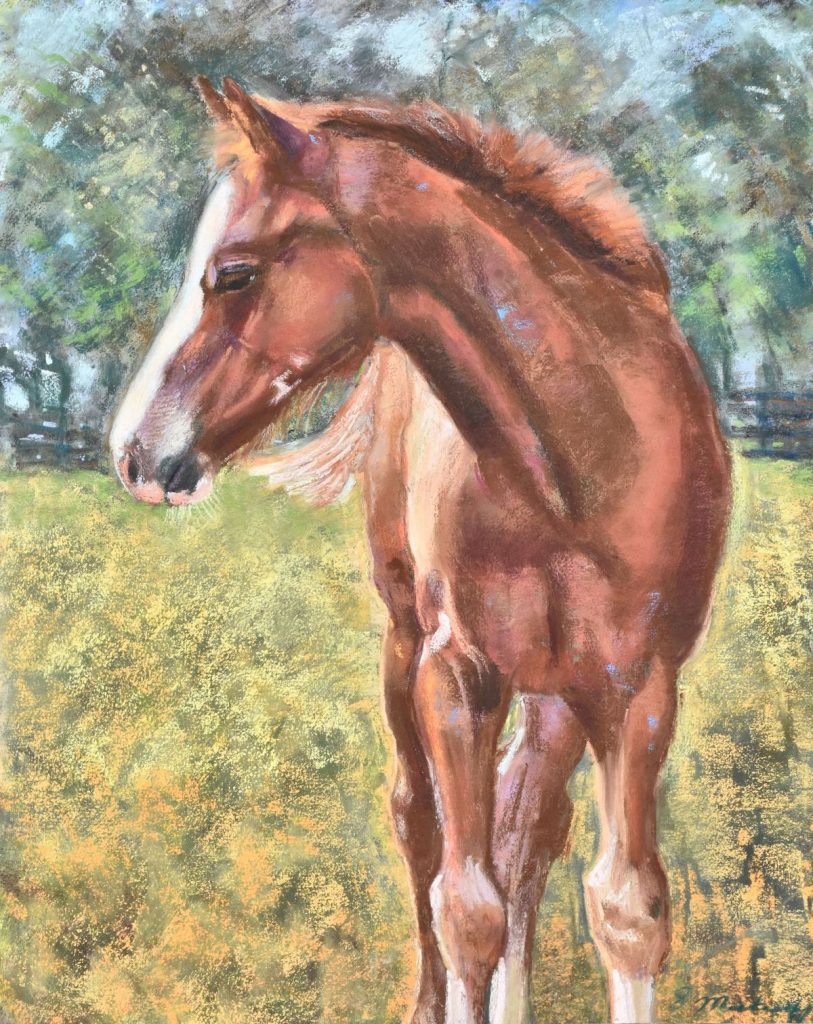
Horse Painting: Capturing the Beauty and Spirit of the Horse
Horses have inspired artists for centuries. Their strength, movement and expressive character make them compelling subjects, whether shown galloping across an open landscape, standing quietly in a stable or portrayed in a carefully observed study. A successful horse painting does more than record the animal’s appearance: it conveys something of its personality and presence.
A subject with a long artistic history
Images of horses appear in some of the earliest forms of human art. Over time, artists have depicted them as symbols of power, freedom, status and companionship. Horses have featured in portraits, battle scenes, sporting pictures and scenes of everyday rural life. Today, artists continue to explore the subject in styles ranging from traditional realism to loose, expressive abstraction.
What makes a horse painting compelling?
Understanding a horse’s anatomy and movement is important, but technical accuracy is only part of the challenge. The position of the ears, the angle of the head and the set of the body can all suggest a particular mood. A relaxed posture may feel calm and intimate, while a lifted head or powerful stride can bring energy and drama to the composition.
Light and colour also shape the character of a painting. The sheen of a coat, the contrast of a dark mane against a pale sky, or the warmth of sunlight across a horse’s back can draw the viewer’s eye. Some artists use restrained, naturalistic tones; others choose vivid colour to express movement or emotion.
Composition and setting
The surrounding scene can add meaning to a horse painting. An open field may emphasise freedom, while a stable setting can create a sense of familiarity and closeness. The landscape, background and use of space all influence how the subject is perceived. A close-up portrait encourages attention to the horse’s face, whereas a wider view can place the animal within a broader story.
Artists may also use brushwork to guide the eye. Fine details can bring focus to the face and coat, while softer or more energetic marks in the background suggest atmosphere and movement. The balance between detail and suggestion gives each work its own distinctive character.
Choosing a horse painting
When choosing a horse painting, consider what first draws you to the subject. You might be looking for a particular breed, a familiar riding scene or simply a piece that captures a mood you enjoy. Think about the colours in the room where the artwork will hang, as well as the size and orientation of the painting.
It can also be helpful to look at the work from a little distance and close up. From afar, notice the overall composition and impact; closer in, explore the texture, brushwork and smaller details. The painting that stays with you is often the one that feels meaningful as well as visually striking.
A timeless source of inspiration
From quiet portraits to scenes full of motion, horse painting offers artists endless possibilities. The subject brings together form, feeling and movement, inviting viewers to appreciate both the animal’s physical beauty and its individual character. Whether realistic or imaginative, a memorable horse painting can bring a strong sense of life and connection into any collection.
9 Reasons to Choose a Horse Painting for Your Home
- Captures the horse’s beauty and character
- Adds movement and energy to a room
- Suits traditional and contemporary interiors
- Offers a timeless subject for art lovers
- Brings warmth and personality to a space
- Available in a wide range of styles and colours
- Makes a thoughtful gift for horse enthusiasts
- Celebrates the bond between people and horses
- Creates a striking focal point
Five Challenges of Painting Horses
- Anatomy can be difficult to get right.
- Capturing movement takes practice.
- Coat colours and textures can be challenging.
- Detailed work can be time-consuming.
- Realistic paintings may require reference images.
Captures the horse’s beauty and character
Horse painting can capture both the beauty of a horse and the character that makes it unique. An artist may bring out the elegance of its form, the sheen of its coat and the strength of its movement, while small details—such as the tilt of its head or the expression in its eyes—suggest its individual temperament. The result is more than a likeness: it is a portrait that conveys the horse’s presence and personality.
Adds movement and energy to a room
A horse painting can bring a wonderful sense of movement and energy to a room. The curve of a galloping horse, the sweep of its mane or the impression of a powerful stride draws the eye and gives the artwork a lively presence. Whether rendered in bold, expressive brushstrokes or subtle detail, it can make a space feel more dynamic and full of life.
Suits traditional and contemporary interiors
Horse paintings can sit comfortably in both traditional and contemporary interiors. A classic portrait or softly coloured landscape can complement period features and timeless furnishings, while a bold, expressive composition can bring movement and character to a modern space. With a wide choice of styles, colours and formats, it is easy to find a piece that feels at home in your surroundings.
Offers a timeless subject for art lovers
Horses have inspired artists for centuries, making them a timeless subject for art lovers. Their elegance, strength and expressive nature lend themselves to a wide range of styles, from detailed realism to bold, contemporary interpretation. A horse painting can feel both classic and personal, bringing lasting character and appeal to a home or collection.
Brings warmth and personality to a space
A horse painting can bring warmth and personality to a space, adding colour, character and a sense of life to the room. Whether it depicts a gentle portrait or a horse in motion, the artwork can create a welcoming focal point and reflect the tastes and interests of the people who live there.
Available in a wide range of styles and colours
Horse paintings are available in a wide range of styles and colours, making it easy to find a piece that suits your taste and space. From detailed, lifelike portraits to loose, expressive scenes, each style offers a different way to capture the horse’s character and movement. Natural shades can create a calm, classic look, while bold colours bring energy and a contemporary feel.
Makes a thoughtful gift for horse enthusiasts
A horse painting makes a thoughtful, personal gift for anyone who loves horses. Whether it captures a favourite breed, the thrill of a gallop or the quiet bond between horse and rider, it can reflect the recipient’s passion in a lasting way. Chosen to suit their taste and home, the artwork becomes more than a decorative piece: it is a meaningful reminder of something they cherish.
Celebrates the bond between people and horses
Horse painting can celebrate the special bond between people and horses, capturing the trust, affection and understanding that grow between them. A tender portrait of a rider beside their horse, or a quiet moment of care in the stable, can express a connection built through companionship and shared experience. These artworks honour not only the horse’s beauty and character, but also the meaningful place horses hold in people’s lives.
Creates a striking focal point
A horse painting can create a striking focal point, drawing the eye and giving a room a clear sense of character. The horse’s expressive presence, graceful form and distinctive movement make the artwork memorable, while its colours and composition can help tie together the surrounding décor.
Anatomy can be difficult to get right.
One of the challenges of horse painting is getting the anatomy right. Horses have complex proportions and powerful, carefully balanced musculature, so even small errors in the legs, joints or head can make a pose look unnatural. Their movement adds another layer of difficulty: studying reference images and observing horses closely can help artists understand how the body changes in different poses.
Capturing movement takes practice.
Capturing a horse in motion takes practice. Its changing posture, shifting balance and powerful stride can be difficult to observe and depict accurately, especially in a fast-moving scene. Artists often need time to study horses in motion, make quick sketches and refine their understanding of anatomy before they can convincingly convey speed and energy on the canvas.
Coat colours and textures can be challenging.
Painting a horse’s coat can be challenging because its colour and texture change with the light, season and angle of view. Subtle shifts in tone help suggest the shape of the body, while highlights and shadows give the coat its distinctive sheen. Capturing these details without making the surface look flat, overly smooth or heavily striped takes careful observation and control of colour.
Detailed work can be time-consuming.
One drawback of horse painting is that detailed work can be time-consuming. Carefully capturing a horse’s anatomy, coat texture and distinctive expression may require many hours of observation and layering, particularly when aiming for a realistic finish. This can make the process demanding for the artist and mean that a completed painting takes longer to produce.
Realistic paintings may require reference images.
Creating a realistic horse painting can be challenging without reference images. Horses have complex anatomy and distinctive proportions, so relying on memory alone may make it difficult to portray their posture, features and movement accurately. Finding suitable references—and ensuring they clearly show the angle, lighting and details needed—can add time to the painting process.