
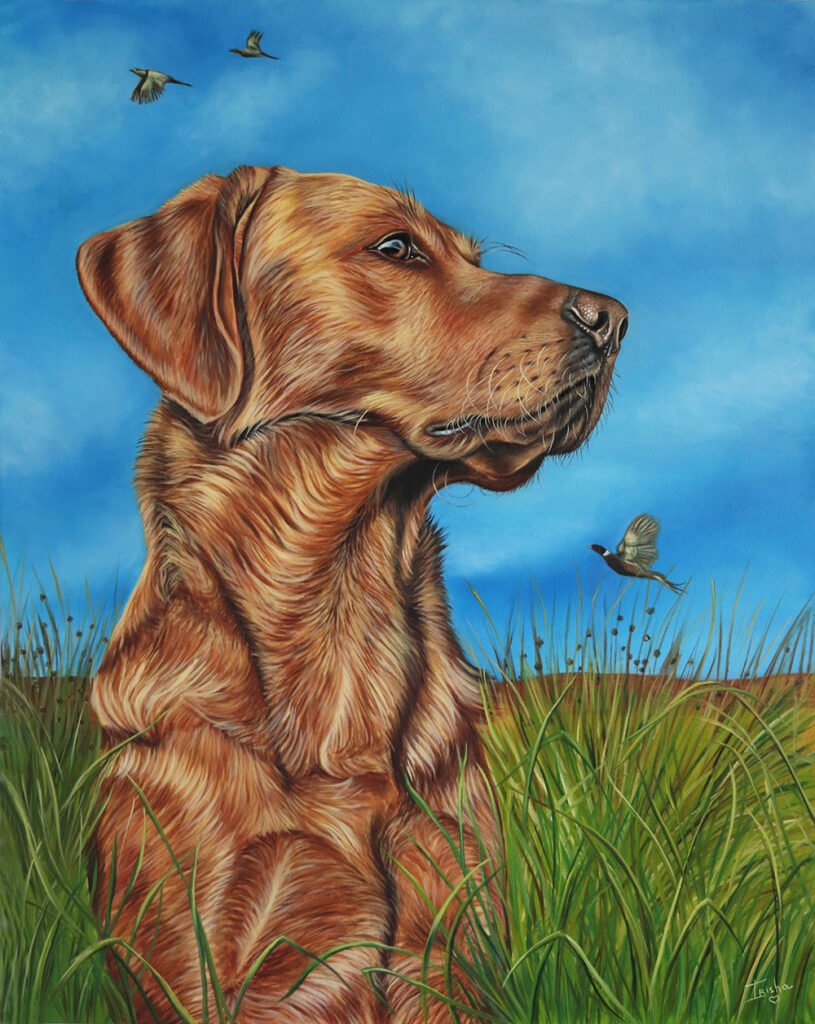
The Beauty of Animal Artwork
Animal artwork has long been a source of inspiration and fascination for artists and art lovers alike. From intricate wildlife portraits to whimsical illustrations of domestic pets, the world of animal art is as diverse as the creatures it seeks to capture.
One of the most compelling aspects of animal artwork is its ability to evoke a sense of connection and empathy with the natural world. Through skilful brushstrokes or precise lines, artists are able to convey the unique character and spirit of each animal, inviting viewers to appreciate their beauty and complexity.
Whether rendered in vibrant colours or subtle monochrome, animal artwork has a timeless appeal that transcends cultural boundaries. From ancient cave paintings depicting hunting scenes to contemporary sculptures celebrating endangered species, animals have always held a special place in the artistic imagination.
For many artists, animals serve as both muse and metaphor, allowing them to explore themes such as power, vulnerability, and resilience. Through their work, they invite us to reflect on our relationship with the natural world and consider our responsibilities towards its inhabitants.
From majestic lions prowling through savannahs to delicate birds perched on tree branches, animal artwork captures the diversity and wonder of the animal kingdom in all its glory. Whether realistic or abstract, these representations remind us of the beauty and fragility of life on Earth.
So next time you encounter a piece of animal artwork, take a moment to appreciate the skill and creativity that went into its creation. Let yourself be transported into a world where creatures great and small are celebrated in all their splendour.
Celebrating Nature: The Timeless Appeal and Impact of Animal Artwork
- Animal artwork celebrates the beauty and diversity of the natural world.
- It evokes a sense of connection and empathy with animals, fostering appreciation for their unique characteristics.
- Artists use animal subjects to explore themes such as power, vulnerability, and resilience.
- Animal artwork can serve as a reminder of our responsibility towards protecting wildlife and preserving ecosystems.
- The depiction of animals in art has a timeless appeal that transcends cultural boundaries.
Critiques of Animal Artwork: Stereotypes, Trivialisation, and Exploitation Risks
- Animal artwork may perpetuate stereotypes or clichés about certain species, reinforcing inaccurate perceptions.
- Some animal artwork may unintentionally trivialise or commodify wildlife, detracting from the importance of conservation efforts.
- There is a risk of exploitation in the creation of animal artwork, especially if artists do not respect the welfare and rights of the animals depicted.
Animal artwork celebrates the beauty and diversity of the natural world.
Animal artwork serves as a powerful tribute to the beauty and diversity of the natural world, capturing the essence of various creatures in all their splendour. Through skilful brushstrokes and creative interpretation, artists celebrate the rich tapestry of life on Earth, from majestic wildlife to delicate insects. By highlighting the intricate details and unique characteristics of animals, this form of art not only showcases their physical beauty but also fosters a deeper appreciation for the interconnectedness and wonder of nature.
It evokes a sense of connection and empathy with animals, fostering appreciation for their unique characteristics.
Animal artwork serves as a powerful tool for evoking a sense of connection and empathy with animals, fostering a deep appreciation for their unique characteristics. Through skilful portrayal and attention to detail, artists are able to capture the essence of different species, inviting viewers to engage with the beauty and complexity of the animal kingdom. By showcasing the individuality and spirit of each creature, animal artwork not only celebrates their diversity but also encourages a greater understanding and respect for the natural world around us.
Artists use animal subjects to explore themes such as power, vulnerability, and resilience.
In the realm of animal artwork, artists harness the captivating essence of animal subjects to delve into profound themes such as power, vulnerability, and resilience. Through their skilful depictions, artists are able to convey the intricate dynamics of these themes by portraying animals in various states and contexts. Whether capturing the majestic strength of a lion, the fragile vulnerability of a butterfly, or the resilient spirit of a dolphin navigating through turbulent waters, animal artwork serves as a poignant reflection of the complexities and nuances inherent in life itself. By exploring these themes through animal subjects, artists invite viewers to contemplate their own relationships with power dynamics, moments of fragility, and the enduring strength that lies within us all.
Animal artwork can serve as a reminder of our responsibility towards protecting wildlife and preserving ecosystems.
Animal artwork serves as a poignant reminder of our duty to protect wildlife and safeguard ecosystems. Through the intricate portrayal of animals in their natural habitats, artists can evoke a sense of empathy and connection with the creatures that share our planet. By highlighting the beauty and vulnerability of these species, animal artwork prompts us to reflect on the importance of conservation efforts and sustainable practices to ensure the survival of diverse ecosystems for future generations.
The depiction of animals in art has a timeless appeal that transcends cultural boundaries.
The depiction of animals in art holds a timeless appeal that surpasses cultural differences, resonating with people across the globe. Regardless of background or upbringing, the beauty and symbolism of animal artwork have a universal language that speaks to our shared connection with the natural world. Through the portrayal of animals in various art forms, artists can communicate emotions, stories, and messages that are understood and appreciated by individuals from diverse cultures and backgrounds. This ability to transcend cultural boundaries through the depiction of animals in art highlights the profound impact and significance of these creative expressions in fostering a sense of unity and understanding among humanity.
Animal artwork may perpetuate stereotypes or clichés about certain species, reinforcing inaccurate perceptions.
Animal artwork, while often celebrated for its beauty and emotional impact, can also have a downside. One significant con is that it may perpetuate stereotypes or clichés about certain species, reinforcing inaccurate perceptions. Through exaggerated features or repetitive portrayals, animal artwork runs the risk of distorting the true nature of animals and contributing to misconceptions about their behaviour and characteristics. This can ultimately hinder efforts towards promoting a more nuanced understanding and appreciation of the diverse array of species that share our planet.
Some animal artwork may unintentionally trivialise or commodify wildlife, detracting from the importance of conservation efforts.
Some animal artwork, while visually captivating, may inadvertently diminish the significance of wildlife conservation efforts by trivialising or commodifying animals. When creatures are reduced to mere decorative motifs or commercial products in art, their intrinsic value and the urgent need for their protection can be overlooked. By portraying animals solely for aesthetic purposes without context or consideration for their welfare, certain artworks risk perpetuating harmful stereotypes and reinforcing a disconnect between humans and the natural world. It is crucial for artists to approach animal subjects with sensitivity and awareness, ensuring that their work honours the dignity and conservation needs of wildlife.
There is a risk of exploitation in the creation of animal artwork, especially if artists do not respect the welfare and rights of the animals depicted.
In the realm of animal artwork, a significant con arises from the potential risk of exploitation during the creation process. This concern is particularly pronounced when artists fail to uphold the welfare and rights of the animals they depict. Whether through unethical sourcing of materials or subjecting live animals to distressing conditions for reference or inspiration, such practices can undermine the integrity and ethical standing of the artwork. It is essential for artists to approach animal representation with sensitivity and respect, ensuring that their creative endeavours do not come at the expense of animal well-being and dignity.