
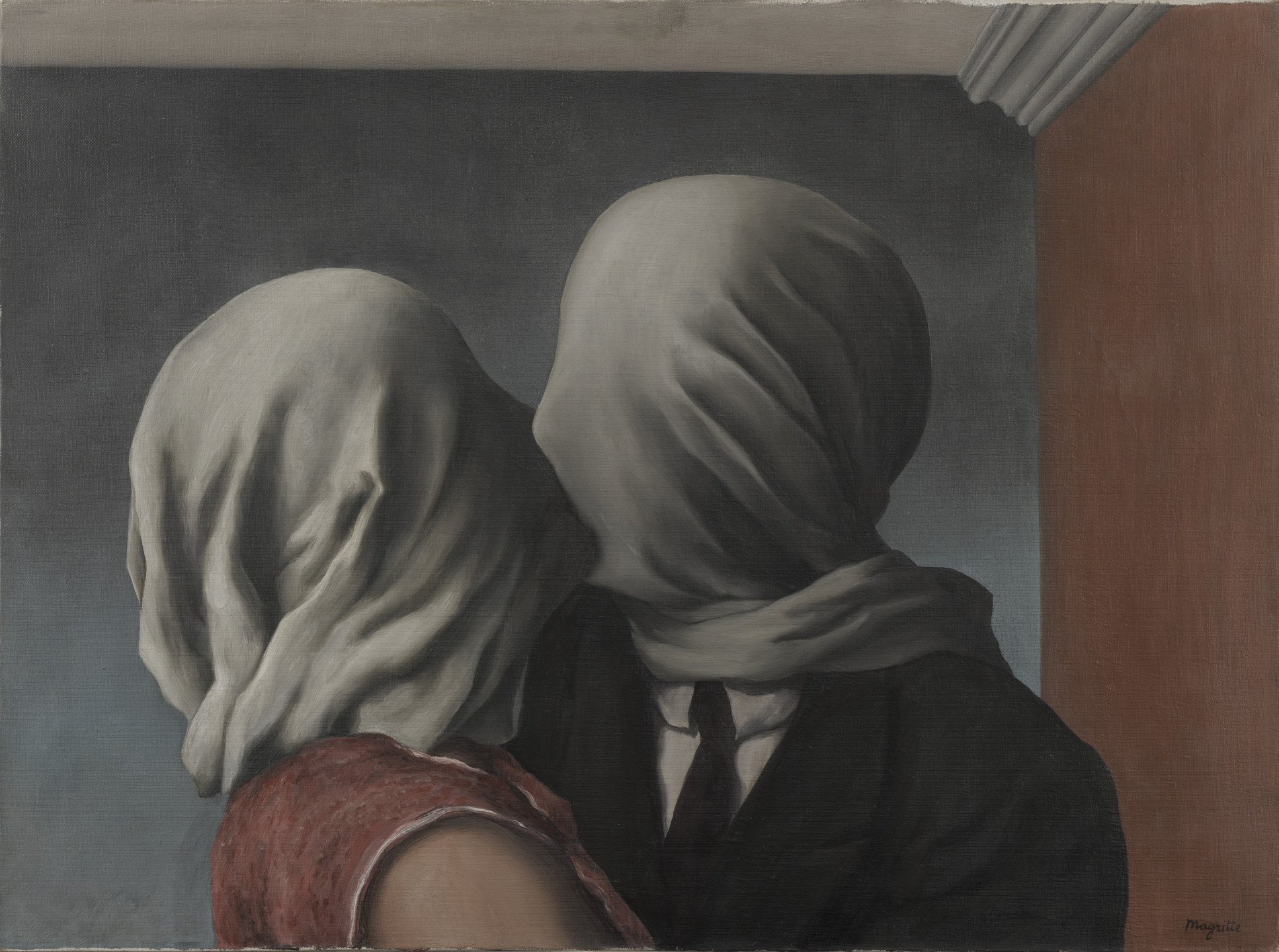
The Surreal World of René Magritte’s Paintings
René Magritte, a Belgian surrealist artist, is renowned for his thought-provoking and enigmatic paintings that challenge our perceptions of reality. His works often feature ordinary objects in extraordinary contexts, inviting viewers to question the nature of representation and meaning.
One of Magritte’s most famous paintings is “The Son of Man,” depicting a man in a bowler hat with an apple obscuring his face. This iconic image has become synonymous with the artist’s exploration of hidden truths and the mysteries of identity.
In “The Treachery of Images,” Magritte famously painted a pipe with the caption “Ceci n’est pas une pipe” (This is not a pipe), highlighting the gap between representation and reality. This paradoxical piece challenges viewers to consider the limitations of language and visual representation.
Magritte’s use of juxtaposition, repetition, and visual puns creates a dreamlike quality in his paintings, blurring the boundaries between the conscious and subconscious mind. His work often explores themes of perception, illusion, and the nature of art itself.
Through his surrealistic vision, René Magritte invites us to look beyond the surface and delve into the deeper layers of meaning within his art. His paintings continue to captivate audiences around the world, sparking conversations about reality, imagination, and the boundless possibilities of artistic expression.
Exploring the Enigmatic Art of René Magritte: Answers to 9 Common Questions
- Who was René Magritte?
- What is the style of René Magritte’s paintings?
- What are some famous paintings by René Magritte?
- What themes did René Magritte explore in his art?
- Why is René Magritte considered a surrealist artist?
- What is the significance of ‘The Son of Man’ painting by René Magritte?
- How did René Magritte challenge traditional notions of reality in his paintings?
- What inspired René Magritte’s unique artistic vision and concepts?
- How has René Magritte’s work influenced modern art and popular culture?
Who was René Magritte?
René Magritte, a Belgian surrealist artist born in 1898, is celebrated for his captivating and enigmatic paintings that challenge conventional notions of reality and representation. Known for his distinctive style and thought-provoking imagery, Magritte’s work often features ordinary objects in extraordinary contexts, inviting viewers to question the nature of perception and meaning. His iconic pieces, such as “The Son of Man” and “The Treachery of Images,” have become synonymous with his exploration of hidden truths, illusions, and the mysteries of identity. René Magritte’s artistic legacy continues to intrigue and inspire audiences worldwide, leaving an indelible mark on the realm of surrealism and modern art.
What is the style of René Magritte’s paintings?
René Magritte’s paintings are often categorised as belonging to the surrealist movement, characterised by their dreamlike imagery, juxtaposition of ordinary objects in unusual contexts, and exploration of subconscious themes. His style is marked by meticulous attention to detail, precise rendering of forms, and a sense of mystery that invites viewers to question the nature of reality. Magritte’s works often challenge conventional notions of representation and meaning, blurring the boundaries between the familiar and the strange. Through his unique approach to painting, Magritte created a surreal world that continues to intrigue and captivate audiences with its enigmatic beauty and thought-provoking symbolism.
What are some famous paintings by René Magritte?
René Magritte, the renowned Belgian surrealist artist, is celebrated for a multitude of iconic paintings that have left a lasting impact on the art world. Among his most famous works are “The Son of Man,” featuring a man in a bowler hat with an apple obscuring his face, and “The Treachery of Images,” which showcases a pipe with the caption “Ceci n’est pas une pipe” (This is not a pipe). These masterpieces exemplify Magritte’s unique ability to challenge conventional notions of reality and representation, inviting viewers to delve into the enigmatic world of his surrealistic vision.
What themes did René Magritte explore in his art?
René Magritte’s art delves into a myriad of thought-provoking themes that challenge conventional notions of reality and representation. Through his surrealist works, Magritte explores the concept of perception, often juxtaposing familiar objects in unfamiliar contexts to prompt viewers to question their assumptions about the world around them. Themes of identity, hidden truths, and the relationship between words and images are recurrent in his paintings, inviting contemplation on the nature of art and the mysteries of human consciousness. Magritte’s exploration of illusion, symbolism, and the subconscious mind continues to captivate audiences, sparking dialogue about the boundless possibilities of artistic expression and the enigmatic nature of existence.
Why is René Magritte considered a surrealist artist?
René Magritte is considered a surrealist artist due to his unique approach to depicting reality in a way that challenges conventional norms and perceptions. Through his paintings, Magritte sought to explore the subconscious mind and unveil the mysteries of the human experience. His use of dreamlike imagery, unexpected juxtapositions, and symbolic motifs creates a sense of disorientation and intrigue, inviting viewers to question the nature of reality and representation. By blurring the boundaries between the ordinary and the extraordinary, Magritte’s work embodies the core principles of surrealism, pushing the boundaries of artistic expression and inviting us to reconsider our understanding of the world around us.
What is the significance of ‘The Son of Man’ painting by René Magritte?
“The Son of Man” painting by René Magritte holds significant symbolism and intrigue within the realm of art history. This iconic work features a man in a bowler hat with his face obscured by a floating green apple, inviting viewers to ponder themes of identity, concealment, and self-representation. The juxtaposition of the ordinary attire with the surreal element of the apple challenges traditional notions of portraiture and prompts contemplation on the complexities of human existence. Magritte’s masterpiece serves as a visual enigma, inviting interpretation and reflection on the mysteries of perception and reality in a thought-provoking manner that continues to captivate audiences worldwide.
How did René Magritte challenge traditional notions of reality in his paintings?
René Magritte challenged traditional notions of reality in his paintings by subverting familiar objects and settings to create a sense of disorientation and intrigue. Through his use of unexpected juxtapositions, such as placing ordinary objects in unusual contexts or altering their scale and proportions, Magritte forced viewers to question the reliability of their own perceptions. By manipulating visual cues and introducing elements of ambiguity and contradiction, he encouraged audiences to reconsider the nature of representation and meaning in art. Magritte’s surrealistic approach to painting not only defied conventional artistic conventions but also invited viewers to explore the complex relationship between appearance and reality, ultimately reshaping our understanding of the world around us.
What inspired René Magritte’s unique artistic vision and concepts?
René Magritte’s unique artistic vision and concepts were inspired by a combination of personal experiences, philosophical ideas, and the surrealist movement of the early 20th century. Drawing from his childhood memories, Magritte often explored themes of memory, identity, and the subconscious mind in his paintings. Additionally, his interest in the works of philosophers such as Friedrich Nietzsche and Sigmund Freud influenced his exploration of the nature of reality and perception. As a key figure in the surrealist movement, Magritte was also inspired by the desire to challenge conventional artistic norms and to create thought-provoking imagery that defied logic and reason. This blend of influences contributed to the creation of Magritte’s distinct style that continues to intrigue and captivate audiences worldwide.
How has René Magritte’s work influenced modern art and popular culture?
René Magritte’s work has had a profound influence on modern art and popular culture, shaping the way we perceive reality and challenging conventional artistic norms. His surrealistic paintings, with their juxtaposition of ordinary objects in extraordinary contexts, have inspired generations of artists to explore the boundaries of imagination and representation. Magritte’s unique blend of mystery and meticulous detail has left an indelible mark on contemporary art movements such as surrealism, pop art, and conceptual art. Furthermore, his iconic images have permeated popular culture, appearing in advertisements, fashion designs, and even music videos, demonstrating the enduring relevance and impact of Magritte’s visionary work on society at large.