
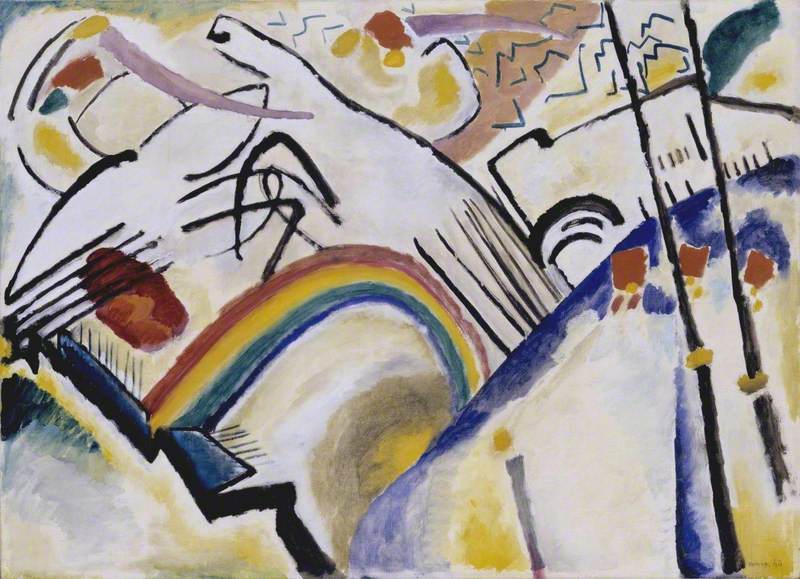
The Captivating World of Wassily Kandinsky’s Art
Wassily Kandinsky, a pioneering figure in abstract art, continues to captivate audiences with his revolutionary approach to painting. Born in Russia in 1866, Kandinsky’s artistic journey took him from figurative and landscape painting to the realm of pure abstraction.
Kandinsky believed that art should evoke emotion and transcend the limitations of visual representation. His use of vibrant colours, dynamic shapes, and bold compositions aimed to convey the spiritual and emotional essence of the world around him.
One of Kandinsky’s most famous works is “Composition VII,” a masterpiece that exemplifies his unique style and visionary approach to art. In this painting, layers of colour and form coalesce into a harmonious symphony that invites viewers to immerse themselves in its intricate patterns and rhythms.
Throughout his career, Kandinsky explored the concept of synesthesia, where he believed that colours and shapes could evoke sounds and emotions. This sensory approach to art is evident in works such as “Yellow-Red-Blue,” where geometric forms seem to dance across the canvas in a symphony of colour.
Kandinsky’s legacy extends beyond his innovative paintings; he was also a prolific writer and teacher who sought to educate others about the power of abstract art. His theories on colour symbolism and the spiritual significance of art continue to influence artists and scholars to this day.
Whether you are an avid art enthusiast or simply curious about the world of abstract expressionism, exploring Wassily Kandinsky’s art offers a journey into a realm where colours sing, shapes dance, and emotions run deep. Step into his captivating world and discover the transformative power of abstract art.
Exploring Wassily Kandinsky: A Guide to His Life, Art, and Influence
- Who was Wassily Kandinsky?
- What is Wassily Kandinsky known for?
- How did Wassily Kandinsky contribute to the art world?
- What inspired Wassily Kandinsky’s abstract art?
- What are some famous works by Wassily Kandinsky?
- How did Wassily Kandinsky’s artistic style evolve over time?
Who was Wassily Kandinsky?
Wassily Kandinsky, a prominent figure in the world of art, was a Russian painter and art theorist known for his pioneering contributions to abstract art. Born in 1866, Kandinsky’s artistic journey led him to explore the realm of pure abstraction, where he believed that art should convey spiritual and emotional truths rather than representational reality. His use of vibrant colours, dynamic shapes, and innovative compositions revolutionised the way we perceive and experience art. Kandinsky’s legacy as a visionary artist and thinker continues to inspire generations of artists and enthusiasts, cementing his place as a key figure in the development of modern art.
What is Wassily Kandinsky known for?
Wassily Kandinsky is renowned for his pioneering contributions to abstract art, establishing himself as a key figure in the development of modern art movements. He is known for his bold use of colour, dynamic shapes, and innovative compositions that pushed the boundaries of traditional artistic representation. Kandinsky’s work is celebrated for its ability to evoke emotion, transcend visual reality, and explore the spiritual and emotional dimensions of art. Through his groundbreaking paintings and writings, Kandinsky revolutionised how artists and audiences perceive and engage with art, leaving a lasting legacy that continues to inspire generations of artists and art enthusiasts worldwide.
How did Wassily Kandinsky contribute to the art world?
Wassily Kandinsky made profound contributions to the art world through his pioneering efforts in abstract art. As one of the first artists to explore non-representational painting, Kandinsky challenged traditional notions of art and paved the way for a new form of visual expression. His use of vibrant colours, dynamic shapes, and emotional depth in his works revolutionised the way artists approached composition and meaning in art. Kandinsky’s emphasis on the spiritual and emotional aspects of painting inspired generations of artists to delve into the realm of abstraction and explore the limitless possibilities of artistic interpretation. His legacy as a visionary artist continues to resonate today, shaping the course of modern art history and influencing countless creators around the world.
What inspired Wassily Kandinsky’s abstract art?
Wassily Kandinsky’s abstract art was inspired by a multitude of influences that shaped his revolutionary approach to painting. One significant source of inspiration for Kandinsky was his deep connection to music, particularly the works of composers such as Wagner and Schoenberg. He believed that music had the power to evoke emotions through abstract patterns of sound, and he sought to translate this sensory experience into visual form. Additionally, Kandinsky’s interest in spirituality and the inner workings of the human psyche played a crucial role in his artistic evolution, leading him to explore the expressive potential of colour, shape, and form as vehicles for conveying universal truths and emotions. Through a synthesis of these diverse influences, Kandinsky pioneered a new language of abstraction that continues to captivate audiences with its depth and emotional resonance.
What are some famous works by Wassily Kandinsky?
Wassily Kandinsky, a trailblazer in the world of abstract art, is renowned for his groundbreaking works that continue to inspire and captivate audiences worldwide. Some of his most famous pieces include “Composition VII,” a vibrant and dynamic painting that showcases Kandinsky’s mastery of colour and form. Another iconic work is “Yellow-Red-Blue,” where geometric shapes and bold hues come together in a harmonious symphony of visual expression. Additionally, “Improvisation 28 (Second Version)” stands out for its emotive energy and fluid brushwork, demonstrating Kandinsky’s ability to convey emotion through abstract compositions. These celebrated works represent just a glimpse into the vast creative universe of Wassily Kandinsky, where art transcends boundaries and invites viewers to explore the depths of imagination and emotion.
How did Wassily Kandinsky’s artistic style evolve over time?
Wassily Kandinsky’s artistic style underwent a remarkable evolution over the course of his career, reflecting his relentless quest for innovation and self-expression. Initially trained as a figurative painter, Kandinsky gradually moved towards abstraction, influenced by his deepening interest in the spiritual and emotional aspects of art. His early works, characterised by vivid colours and bold brushwork, gave way to increasingly abstract compositions that sought to convey inner experiences rather than outward appearances. As he delved deeper into the realm of pure abstraction, Kandinsky’s art became more geometric and structured, with an emphasis on form and colour relationships. This evolution culminated in his iconic works where shapes and colours harmonised to create a visual language that transcended traditional artistic conventions. Through this transformative journey, Wassily Kandinsky established himself as a pioneering figure in abstract art whose legacy continues to inspire generations of artists and art enthusiasts alike.