
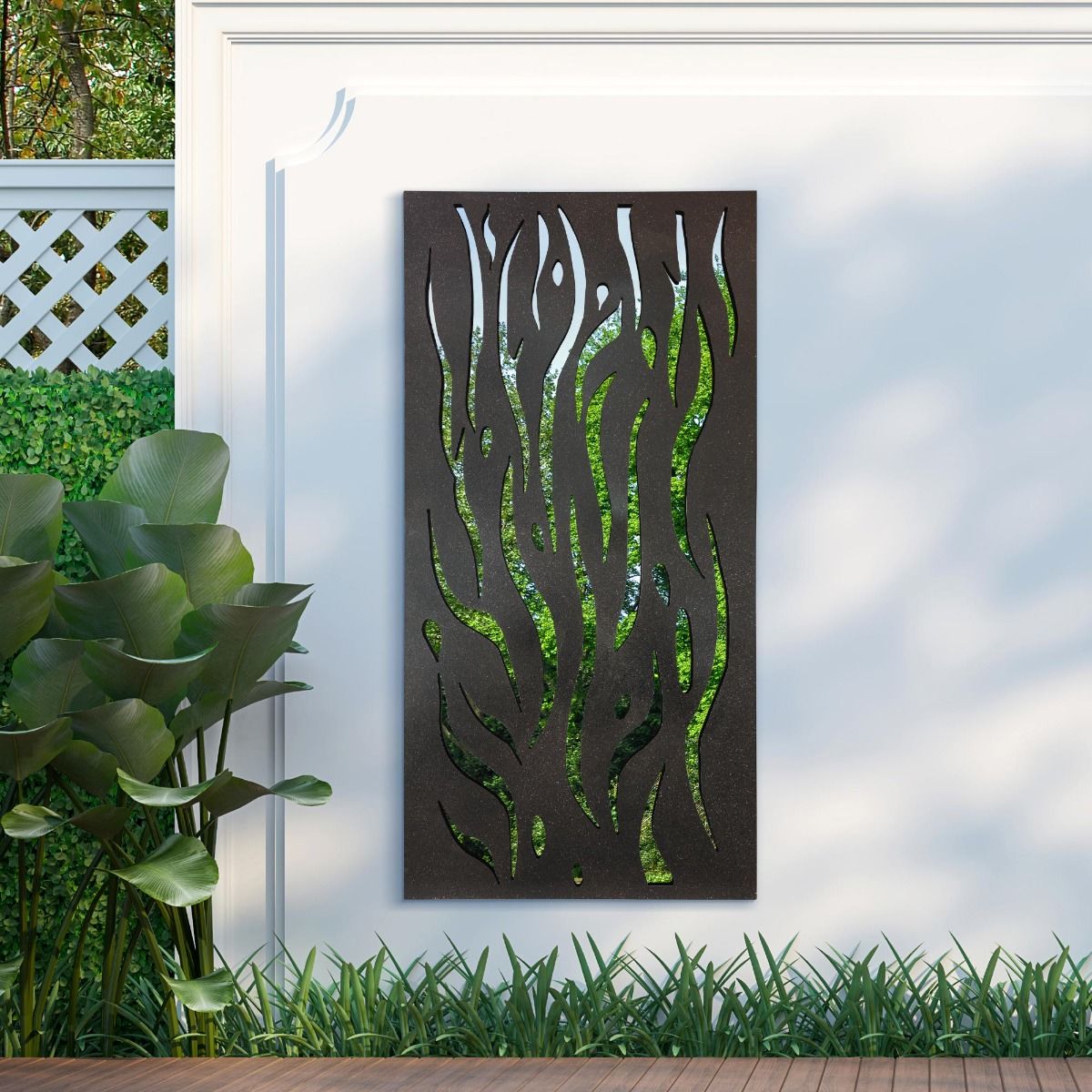
Metal Artwork for the Wall: A Guide to Choosing the Right Piece
Metal artwork can bring character, texture and a distinctive sense of depth to a room. From finely cut designs to sculptural pieces that catch the light, wall art made from metal offers an alternative to traditional prints and paintings. Whether you are refreshing a living room, adding interest to a hallway or looking for a striking focal point, the right piece can help bring a space together.
Why choose metal wall art?
One of the qualities that makes metal artwork so appealing is its ability to change with its surroundings. Light moves across the surface throughout the day, highlighting different details and creating subtle shifts in tone and shadow. A metal piece can feel bold and contemporary, or understated and organic, depending on its shape, finish and design.
Metal wall art is also available in a wide range of styles. Geometric patterns can suit modern interiors, while botanical forms and nature-inspired designs can add a softer touch. Abstract compositions offer colour and movement, and sculptural pieces bring an extra dimension to a plain wall.
Finding the right style and finish
Consider the character of the room before choosing a design. A large, intricate piece may work well as a focal point in a spacious living area, while a simpler design can complement a smaller room without overwhelming it. Think about the colours already in the space, as well as the furniture, lighting and other artwork.
The finish can make a significant difference. Brushed or polished metal can create a sleek, contemporary look, while painted finishes introduce colour and personality. Dark finishes often provide strong contrast against a pale wall; lighter or reflective surfaces can help a room feel brighter. For a more relaxed effect, look for designs with flowing lines or natural motifs.
Choosing the right size and position
Before buying, measure the wall and consider how the artwork will relate to the furniture beneath it. A piece above a sofa or sideboard should generally feel connected to what is below, rather than appearing too small or too large. If you are arranging several pieces, plan the layout on the floor first or mark out the dimensions on the wall with paper.
Hang artwork where it can be viewed comfortably and where its details will be easy to appreciate. Take account of windows and lamps: changing light can enhance the texture of metal, but direct sunlight or strong glare may make a reflective surface difficult to view. In a hallway, check that the piece will not obstruct a walkway or catch on clothing and bags.
Installation and care
Metal artwork can be heavier than it looks, so check the manufacturer’s hanging instructions and use fixings suited to both the piece and the wall. Plasterboard, brick and masonry require different fittings. For larger or heavier works, use secure fixings and ask a professional for advice if you are unsure.
Most metal wall art needs little maintenance. Dust it gently with a soft, dry cloth, and avoid abrasive cleaners that could mark the surface or damage its finish. If the piece is displayed in a humid area, follow the care guidance provided with it and make sure the material and finish are suitable for that environment.
A lasting finishing touch
Metal artwork can make a room feel more considered by introducing form, texture and a play of light. Whether you choose a bold centrepiece or a smaller detail, take time to consider the design, scale and setting. The best choice is one that feels at home in your space and continues to catch your attention long after it is hung.
Essential Guide to Metal Wall Art: Materials, Sizing, Installation, Maintenance, and Outdoor Display
- What types of metal are used to make wall artwork?
- How do I choose the right size metal wall art for my room?
- How do I hang metal artwork securely on a wall?
- How do I clean and care for metal wall art?
- Can metal wall art be displayed outdoors?
What types of metal are used to make wall artwork?
Metal wall artwork is commonly made from steel, aluminium, copper or brass. Steel is strong and durable, while aluminium is lightweight and often used for larger designs. Copper and brass bring warm tones that can deepen or develop a patina over time. The metal used will affect the artwork’s appearance, weight and care requirements, so check the product details—particularly if you plan to hang it outdoors or in a humid room.
How do I choose the right size metal wall art for my room?
To choose the right size metal wall art, consider the wall’s dimensions and the furniture nearby. Above a sofa, bed or sideboard, aim for a piece around two-thirds to three-quarters of the furniture’s width so it feels balanced. On a large, empty wall, a bigger statement piece or a carefully arranged group of smaller works can fill the space without looking lost. Measure before you buy, and use paper templates to test the placement and proportions.
How do I hang metal artwork securely on a wall?
To hang metal artwork securely, first check its weight and the manufacturer’s fitting instructions, then choose fixings suited to both the artwork and your wall type. Use a stud or masonry fixing where appropriate, and avoid relying on a standard nail for a heavy piece. Make sure the hanging points are level, and ask a professional for help if the artwork is particularly large or you are unsure which fixings to use.
How do I clean and care for metal wall art?
To care for metal wall art, dust it regularly with a soft, dry microfibre cloth. For fingerprints or marks, use a slightly damp cloth and dry the surface straight away; avoid abrasive pads, harsh chemicals and excess water, as these can scratch or damage the finish. Keep the artwork away from prolonged moisture and follow any care instructions supplied with the piece, particularly if it has a painted or delicate surface.
Can metal wall art be displayed outdoors?
Metal wall art can be displayed outdoors if it is made from weather-resistant materials and has a suitable protective finish. Before hanging a piece, check the maker’s care instructions and whether it is intended for outdoor use, as rain, moisture, frost and strong sunlight can cause rust, fading or other damage. For longer-lasting display, choose a sheltered spot and inspect the artwork and fixings regularly.