
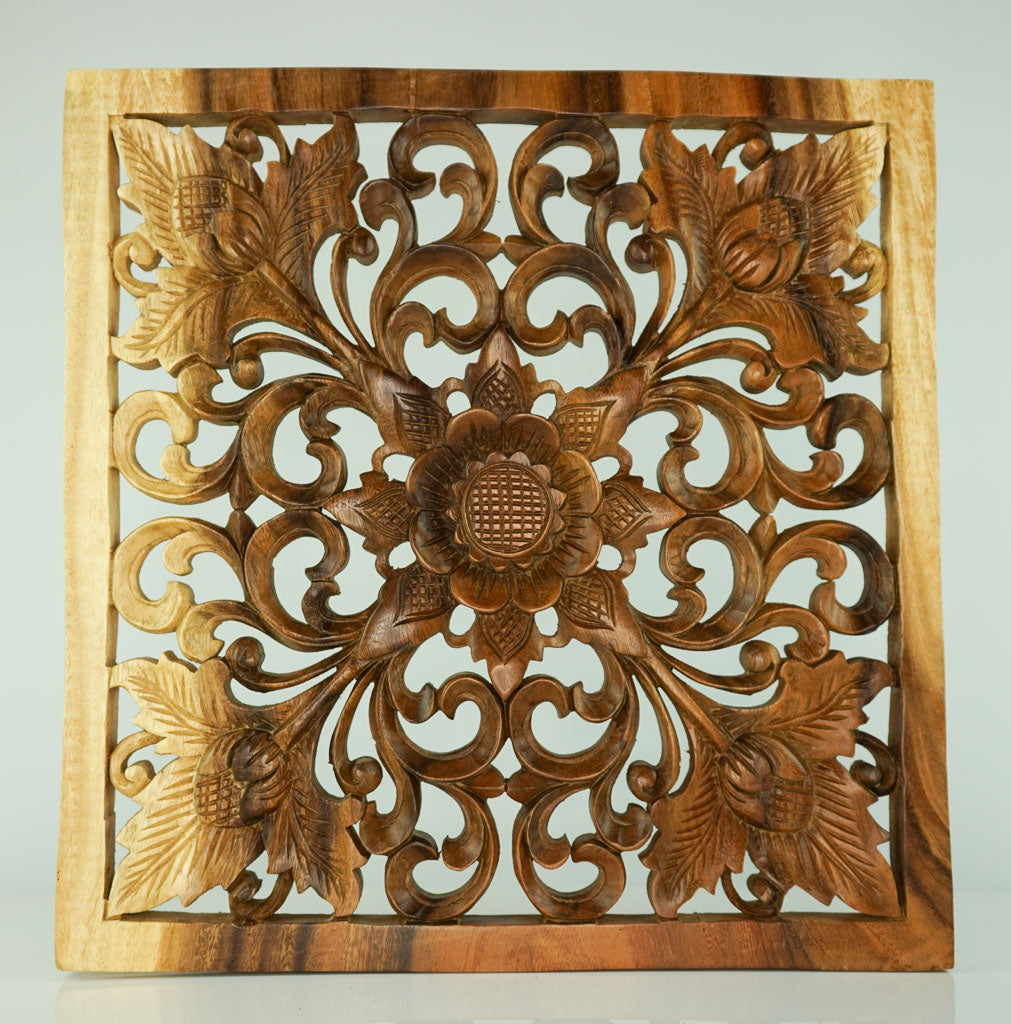
Wood Wall Art: Bring Natural Character to Your Walls
Wood wall art adds warmth, texture and a sense of nature to an interior. From simple carved shapes to intricate, layered designs, it can make a striking focal point while helping a room feel more welcoming. With a variety of styles, finishes and wood types to choose from, there is an option for almost every home.
What is wood wall art?
Wood wall art is artwork made wholly or partly from wood and designed to be displayed on a wall. It may be carved, cut, painted, engraved or assembled from several pieces. Some designs highlight the natural grain and colour of the timber, while others use paint or stain to create a more contemporary look.
Popular forms include wooden panels, sculptural pieces, geometric designs, lettering and decorative reliefs. Reclaimed timber can also be used to create one-of-a-kind works, with knots, markings and variations in colour giving each piece its own character.
Why choose wooden wall art?
Unlike a flat print, wood brings a tactile quality to a room. Its grain and natural variations catch the light differently throughout the day, while raised or carved details add depth. A carefully chosen piece can soften a minimalist space, complement rustic furnishings or introduce an organic contrast to modern materials such as glass and metal.
Wood wall art is also versatile. A small piece can add interest to a narrow hallway, while a larger design can anchor a living room or sit above a bed. It can be used on its own or arranged in a group with framed prints, photographs and other wall decorations.
Choosing the right piece for your space
Start by considering the size of the wall and the role you want the artwork to play. A large, detailed design can make a room feel more considered, but it may overwhelm a compact space. For a gallery-style arrangement, combine pieces of different sizes while keeping a consistent colour palette or theme.
Think about the existing tones in the room, too. Pale woods often suit light, relaxed interiors, while darker finishes can create contrast and a more dramatic effect. If the artwork includes painted colours, look for shades that pick up details in your furnishings rather than matching every element exactly.
Style matters as much as scale. Clean lines and repeated shapes can work well in contemporary interiors; carved or weathered finishes may feel more at home in traditional or country-inspired spaces. There are no fixed rules, so choose a piece that feels right for the room and reflects your own taste.
Where to display it
Wood wall art can bring interest to many areas of the home. In a living room, place it above a sofa or fireplace, leaving enough space around the piece so it does not feel crowded. In a bedroom, a calm design can create a focal point above the bed. Smaller works can brighten a hallway, staircase or home office.
Before hanging a piece, consider the wall surface, the artwork’s weight and the fixings required. Use suitable hooks or brackets, and check that the piece is secure. Avoid placing wood art directly beside sources of heat or in areas with frequent changes in humidity, as these conditions may affect the material over time.
Looking after wood wall art
Care is usually straightforward. Dust the surface gently with a soft, dry cloth, taking care around carved or delicate details. Avoid harsh cleaners and excessive moisture, which can damage some finishes. If the artwork has specific care instructions, follow the maker’s guidance.
Natural wood may change subtly as it ages, particularly when exposed to strong sunlight. Keeping a piece out of direct sun can help preserve its finish and colour. For reclaimed or unfinished timber, expect some variation and character: these features are often part of the appeal.
A natural finishing touch
Wood wall art offers an easy way to add warmth, texture and individuality to a home. Whether you prefer a bold sculptural statement or a modest design with visible grain, the right piece can bring a wall to life and complement the character of your space.
5 Tips for Choosing, Displaying and Caring for Wood Wall Art
- Choose wood that suits your room’s style.
- Check the wall can support the artwork’s weight.
- Keep wood art away from damp areas.
- Use soft lighting to highlight its texture.
- Dust gently with a dry, soft cloth.
Choose wood that suits your room’s style.
Choose wood that complements your room’s style. Pale, lightly finished timber can create a fresh, relaxed feel, while darker woods add warmth and a more traditional touch. For a contemporary space, look for clean lines and a simple finish; in a rustic room, reclaimed or textured wood can bring extra character. Consider the colours and materials already in the room so your wall art feels at home without needing to match everything exactly.
Check the wall can support the artwork’s weight.
Before hanging wood wall art, check that the wall and fixings can safely support its weight. Heavier pieces may need a stud, masonry plug or suitable wall anchor rather than a standard picture hook. Use fixings designed for your wall type, and seek advice if you are unsure.
Keep wood art away from damp areas.
Keep wood wall art away from damp areas, such as steamy bathrooms or poorly ventilated kitchens. Moisture can cause timber to swell, warp or develop mould, and may damage its finish over time. Choose a dry, well-ventilated spot instead, and wipe away any condensation nearby to help keep the artwork in good condition.
Use soft lighting to highlight its texture.
Use soft, gentle lighting to bring out the natural grain and texture of wood wall art. A nearby table lamp, wall light or adjustable spotlight can create subtle shadows that highlight carved details and add depth without overwhelming the piece. Avoid harsh, direct light, which can cause glare and make the artwork less inviting.
Dust gently with a dry, soft cloth.
To keep your wood wall art looking its best, dust it gently with a clean, soft, dry cloth. Use light strokes and take care around carved details, as rubbing too firmly or using a damp cloth may affect the surface or finish.