
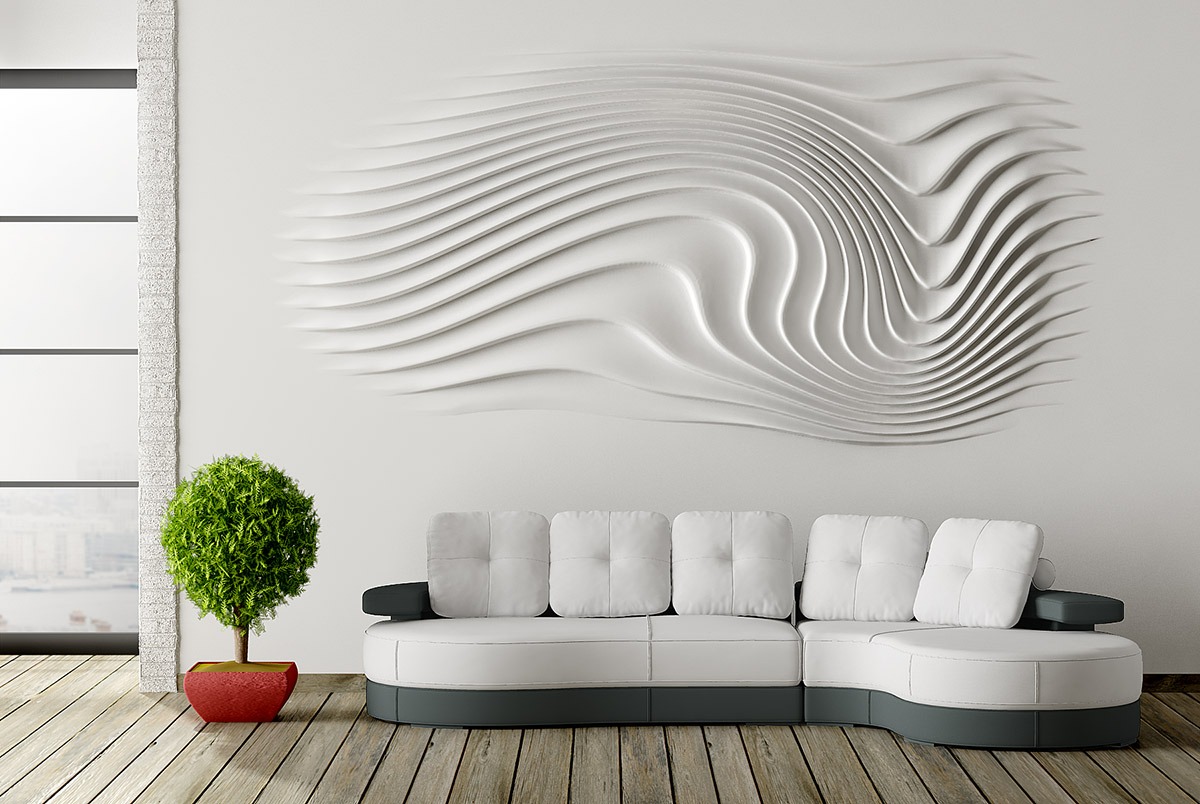
3D Wall Art: Adding Depth and Character to Your Home
Wall art can transform a room, bringing colour, personality and a focal point to an otherwise plain space. For something with extra impact, 3D wall art adds texture and depth, inviting the eye to explore a piece from different angles. From sculptural metalwork to layered wooden designs, it offers a striking alternative to a traditional flat print or painting.
What is 3D wall art?
3D wall art is artwork that projects from, or is built up beyond, a flat surface. It may be carved, moulded, assembled in layers or made from materials that create a tactile, sculptural effect. Some pieces are designed to be viewed straight on, while others change in appearance as the light or viewing angle shifts.
Common materials include wood, metal, ceramic, glass, resin, textiles and paper. Natural materials can bring warmth and an organic feel, while polished metal or geometric forms may suit a more contemporary interior. The variety of styles means there is a three-dimensional piece for almost any room.
Popular styles and materials
- Wooden wall sculptures: Carved or layered wood can add warmth, pattern and a handcrafted quality.
- Metal artwork: Metal pieces often feature clean lines, abstract forms or botanical motifs. Their surfaces can reflect light and create changing shadows.
- Textile and fibre art: Woven wall hangings and stitched designs soften a room and introduce texture without feeling formal.
- Ceramic and clay pieces: These can range from small decorative forms to larger sculptural arrangements.
- Layered paper art: Cut and assembled paper creates delicate depth, often using repeated shapes or intricate scenes.
Choosing the right piece
Start by considering the room’s size, colours and existing furnishings. A large statement piece can anchor a spacious wall, while a collection of smaller works may be better suited to a narrow hallway or compact room. Think about the artwork’s depth as well as its width and height, particularly if it will hang above furniture or in a busy walkway.
Colour and material also matter. A contrasting piece can stand out against a neutral wall, while a design in complementary tones can create a quieter, more unified look. Consider how the artwork relates to other textures in the room, such as timber furniture, soft furnishings or metal fittings.
Placement and lighting
Because 3D wall art extends beyond the wall, placement affects both its appearance and practicality. Leave enough space around the piece for its form to be appreciated, and check that it will not obstruct doors, shelves or people moving through the room.
Lighting can bring out the detail and cast appealing shadows. Natural light changes throughout the day, while directional wall lights or adjustable spotlights can highlight particular features. Avoid placing delicate materials in strong direct sunlight, which may cause fading or damage over time.
Displaying and caring for your artwork
Before hanging a piece, check its weight and use suitable fixings for the wall type. Larger or heavier works may need more than one fixing, and it is worth following the maker’s installation guidance. Dust the artwork gently with a soft, dry cloth or brush, taking care around fragile or intricate details. For materials that need special care, follow the cleaning advice supplied with the piece.
Whether bold and sculptural or subtle and tactile, 3D wall art can give a room a distinctive sense of depth. By choosing a piece that suits the space and displaying it thoughtfully, you can create a focal point that feels personal, considered and full of character.
3D Wall Art: Your Questions Answered
- What is 3D wall art?
- What materials are commonly used to make 3D wall art?
- How do I choose the right 3D wall art for my room?
- How should I hang 3D wall art safely?
- How can lighting enhance 3D wall art?
- How do I clean and care for 3D wall art?
What is 3D wall art?
3D wall art is artwork that adds depth and texture to a wall, extending beyond a flat, two-dimensional surface. It can be made from materials such as wood, metal, ceramic, fabric or paper, and may be carved, moulded or assembled in layers. Depending on its shape and finish, a piece can create changing shadows and look different as the light or viewing angle shifts.
What materials are commonly used to make 3D wall art?
3D wall art is made from a wide range of materials, including wood, metal, ceramic, glass, resin, paper and textiles. Each creates a different look and feel: wood and woven fibres add warmth and texture, while metal and glass can bring a sleek, contemporary finish. Layered paper and resin allow for intricate shapes and colourful effects, and ceramic pieces offer a tactile, sculptural quality. The best material depends on the artwork’s style, the room’s décor and how much maintenance it requires.
How do I choose the right 3D wall art for my room?
To choose the right 3D wall art, consider the room’s size, colour scheme and existing style. A large statement piece can work well on a spacious, uncluttered wall, while smaller designs or a group of pieces may suit a compact space. Think about the artwork’s depth and how far it projects, especially near doorways or walkways, and choose materials and colours that either complement your décor or provide a deliberate contrast. Good lighting can also bring out its texture and create interesting shadows.
How should I hang 3D wall art safely?
To hang 3D wall art safely, first check its weight and the fixing instructions, then choose hardware suited to both the artwork and your wall type. Use a stud or suitable wall anchor for heavier pieces, and make sure the fixing supports the work securely without putting strain on fragile parts. Before drilling, check for hidden pipes or cables, and ask for professional help if you are unsure. Once hung, confirm that the piece is stable and positioned where it won’t be knocked or obstruct a walkway.
How can lighting enhance 3D wall art?
Lighting can bring out the depth, texture and fine details of 3D wall art, while casting shadows that change its appearance throughout the day. Directional spotlights or adjustable wall lights can highlight raised features and create a dramatic focal point; softer, indirect lighting offers a more subtle effect. Experiment with the angle and intensity to find what suits the piece, and avoid strong direct sunlight if the materials may fade or deteriorate.
How do I clean and care for 3D wall art?
To care for 3D wall art, dust it regularly with a soft, dry cloth or brush, taking care around raised, delicate or intricate details. Avoid abrasive cleaners, excess water and chemical sprays, as these may damage the finish or materials. Since care varies by material, follow the artist’s or maker’s instructions, and keep the piece away from prolonged direct sunlight, damp and heat. Before cleaning, check that it is securely mounted and handle it gently.