
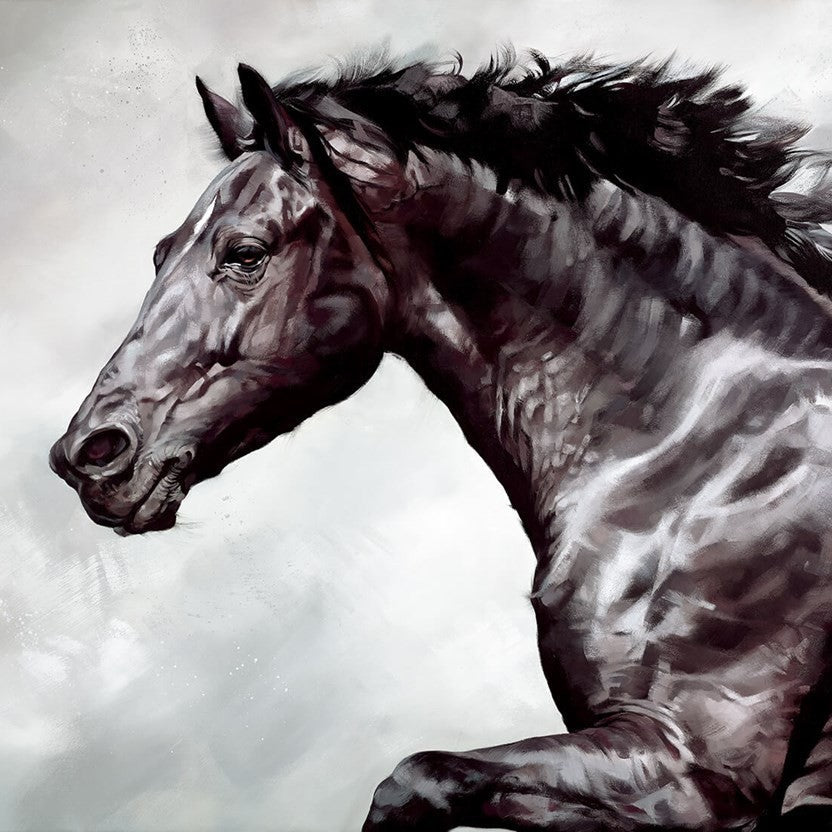
Horse Art: Capturing the Beauty and Spirit of the Horse
Horses have inspired artists for thousands of years. Their strength, grace and expressive character make them compelling subjects, whether shown galloping across an open landscape or standing quietly in a stable. From ancient cave paintings to contemporary portraits, horse art reflects our long relationship with these remarkable animals.
A subject with a rich history
Some of the earliest known images of horses appear in prehistoric cave art, where their forms were painted with striking energy and observation. Over the centuries, horses have appeared in paintings, sculptures, prints and drawings across many cultures. They have been depicted as companions, working animals and symbols of status, freedom and power.
In European art, equestrian portraits often celebrated rulers and military leaders, presenting the horse as an emblem of authority. Other artists focused on the animal itself: its anatomy, movement and temperament. Today, horse art ranges from faithful portraiture to expressive, abstract interpretations.
What makes horses so captivating?
A horse’s shape offers artists a fascinating balance of strength and elegance. Muscular shoulders, long legs and a flowing mane create distinctive lines, while changes in posture can suggest alertness, calm or excitement. Capturing a horse convincingly involves more than getting its proportions right; small details such as the position of the ears or the tilt of the head can bring its character to life.
Movement is another enduring source of inspiration. A horse in motion can convey energy and freedom, while a resting animal may invite a quieter, more reflective response. Artists use composition, colour and brushwork to shape the mood of a scene, from the drama of a racecourse to the stillness of a country field.
Styles and mediums
Horse art can be realistic, impressionistic or abstract. Realist artists may carefully portray a particular horse, paying close attention to its markings and features. More expressive approaches might simplify the animal’s form or use bold colours to emphasise movement and feeling.
Artists work in a wide range of mediums, including oil, watercolour, acrylic, charcoal and pastel. Sculpture offers another way to explore the horse’s form in three dimensions, while photography captures fleeting moments of movement and connection. Each medium brings its own qualities: watercolour can feel light and spontaneous, while oil paint allows for rich colour and layered detail.
Choosing horse art for your home
When choosing a piece, consider the atmosphere you want it to create. A dynamic image may bring a sense of energy to a room, while a quieter portrait can make a space feel more contemplative. Think about the artwork’s colours, scale and style, as well as how they relate to the room around it.
Personal connection matters, too. You might be drawn to a particular breed, a familiar landscape or the character captured in an animal’s expression. The most meaningful piece is often one that continues to hold your attention over time.
An enduring source of inspiration
Horse art continues to appeal because it brings together visual beauty, movement and emotion. It can celebrate the close bond between people and horses, or simply invite us to appreciate the animal on its own terms. Whether traditional or contemporary, a memorable work of horse art offers more than a likeness: it captures a sense of presence and spirit.
Horse Art: Eight Frequently Asked Questions
- What is horse art?
- Which artists are famous for painting horses?
- What materials are commonly used to create horse art?
- How can I choose the right horse artwork for my home?
- How do I commission a horse portrait?
- How can I tell whether a horse painting is original or a print?
- How should I care for and display horse artwork?
- What makes horse art a popular gift for horse lovers?
What is horse art?
Horse art is artwork that features horses as its subject, in styles ranging from realistic portraits and paintings of horses in motion to expressive, abstract designs. It can be created using many mediums, including painting, drawing, sculpture and photography, and may celebrate the horse’s beauty, character, movement or relationship with people.
Which artists are famous for painting horses?
Several celebrated artists are known for their paintings of horses. British artist George Stubbs became renowned for his precise, lifelike depictions, while Rosa Bonheur earned acclaim for her detailed studies of animals. Alfred Munnings is especially associated with horses and rural life, and Théodore Géricault and Edgar Degas often captured horses in motion, including scenes of racing. Their varied styles show how artists have portrayed the horse’s strength, elegance and energy across different periods.
What materials are commonly used to create horse art?
Horse art is created using a wide range of materials, depending on the artist’s style and the effect they want to achieve. Common choices include oil, acrylic and watercolour paints, as well as pencil, charcoal, ink and pastels for drawings. Artists may also use mixed media, combining materials to add texture and depth, while sculptors often work with clay, bronze, wood or stone. Each material offers different ways to capture a horse’s movement, form and character.
How can I choose the right horse artwork for my home?
To choose the right horse artwork for your home, think about the mood you want to create and how the piece will work with your room’s colours, style and available wall space. A lively image of a horse in motion can add energy, while a quieter portrait may bring a more restful feel. Consider whether you prefer a realistic, traditional or contemporary style, and choose a subject that feels personal to you. Before buying, check the artwork’s dimensions and, if possible, view it in the space where you plan to hang it.
How do I commission a horse portrait?
To commission a horse portrait, contact the artist to discuss your horse, preferred style, size and medium, along with your budget and ideal timescale. Clear photographs showing your horse’s features, colouring and personality will help the artist plan the piece; if you have a particular pose or background in mind, share those details too. The artist can then confirm availability, provide a quote and explain the payment, approval and delivery process before work begins.
How can I tell whether a horse painting is original or a print?
To tell whether a horse painting is original or a print, look closely at the surface: an original may show raised brushstrokes, layered paint and subtle variations in texture, while a print often has a flatter, more even finish. Check for an edition number, such as “12/100”, which usually indicates a limited-edition print, and inspect the signature and any certificate of authenticity. These clues are not conclusive—prints can be hand-finished, and originals may be very smooth—so ask the seller about the medium, provenance and production process, and consider an independent valuation if the work is valuable.
How should I care for and display horse artwork?
To care for horse artwork, keep it away from direct sunlight, damp, sudden temperature changes and heat sources, which can cause fading or damage. Dust framed pieces gently with a soft, dry cloth, and avoid spraying cleaning products near the artwork; for valuable or delicate pieces, consult a professional conservator. Display the work securely at a comfortable viewing height, using suitable fixings for its weight, and choose a position where its colours and subject can be appreciated without exposure to harsh light.
What makes horse art a popular gift for horse lovers?
Horse art makes a thoughtful gift for horse lovers because it celebrates their affection for these remarkable animals in a lasting, personal way. From a realistic portrait to a lively, expressive scene, artwork can reflect someone’s favourite breed, riding interest or treasured memories with horses. It also adds character to a home or stable, making it a meaningful keepsake that can be enjoyed for years.