
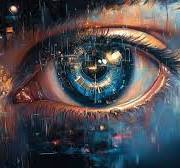
The Rise of AI-Generated Art
In recent years, the art world has witnessed a remarkable transformation with the advent of artificial intelligence (AI). AI-generated art has emerged as a fascinating intersection of technology and creativity, challenging traditional notions of authorship and artistic expression.
What is AI-Generated Art?
AI-generated art refers to artwork created with the assistance of artificial intelligence algorithms. These algorithms are trained on vast datasets of images, learning patterns and styles to produce original pieces. The result is art that can mimic human creativity or explore entirely new aesthetic territories.
The Technology Behind It
At the core of AI-generated art are machine learning techniques, particularly deep learning and neural networks. One popular method involves using Generative Adversarial Networks (GANs), where two neural networks—one generating images and the other evaluating them—work together to create increasingly sophisticated artworks.
Impact on the Art World
The emergence of AI in art has sparked both excitement and debate. On one hand, it opens up new possibilities for artists to experiment with form and concept. On the other hand, it raises questions about originality, copyright, and what it means to be an artist in the digital age.
Some artists embrace AI as a collaborative tool that enhances their creative process. They see it as an opportunity to push boundaries and explore uncharted artistic landscapes. Conversely, critics argue that AI lacks true creativity since it relies on pre-existing data rather than genuine inspiration.
Notable Examples
Several high-profile instances have brought AI-generated art into the spotlight. In 2018, an artwork titled “Portrait of Edmond de Belamy,” created by a Paris-based collective using GANs, was auctioned at Christie’s for $432,500—a testament to its perceived value and impact.
The Future of AI in Art
As technology continues to evolve, so too will its role in art creation. The future may see more seamless integration between human artists and machines, leading to hybrid forms of expression that blend human intuition with computational power.
AI-generated art challenges us to rethink our definitions of creativity and authorship. While it may not replace human artists, it undoubtedly enriches the tapestry of contemporary art by introducing new tools for exploration and innovation.
Conclusion
The rise of AI-generated art marks a significant milestone in the ongoing dialogue between technology and creativity. As we navigate this evolving landscape, one thing remains certain: the conversation about what constitutes art—and who gets to create it—will continue to inspire debate for years to come.
Mastering AI-Generated Art: 5 Essential Tips for Success
- Understand the tools
- Experiment with styles
- Combine AI with human creativity
- Ethical considerations
- Engage with the community
Understand the tools
Understanding the tools used in AI-generated art is crucial for both artists and enthusiasts looking to explore this innovative field. Familiarising oneself with the various algorithms, software, and platforms available can significantly enhance the creative process. Tools such as Generative Adversarial Networks (GANs), neural networks, and specialised software like DeepArt or RunwayML offer different capabilities and outputs. By gaining a comprehensive understanding of these tools, artists can better harness their potential to create unique and compelling artworks. Moreover, this knowledge allows artists to push the boundaries of traditional art forms, experimenting with new techniques and styles that were previously unimaginable. Whether one is a seasoned artist or a curious newcomer, mastering these tools opens up a world of possibilities in AI-generated art.
Experiment with styles
Experimenting with styles in AI-generated art opens up a world of creative possibilities, allowing artists and enthusiasts to push the boundaries of traditional aesthetics. By leveraging the capabilities of AI algorithms, one can blend various artistic styles or even create entirely new ones that might not be achievable through conventional methods. This experimentation can lead to unique and unexpected results, offering fresh perspectives on familiar subjects. Whether it’s combining elements of impressionism with modern digital techniques or reimagining classic art forms with contemporary flair, experimenting with styles encourages innovation and fosters a deeper understanding of both historical and emerging artistic trends. Embracing this approach not only enriches the creative process but also broadens the scope of what art can be in the digital age.
Combine AI with human creativity
Combining AI with human creativity offers a unique opportunity to enhance the artistic process, blending the precision and computational power of machines with the intuition and emotional depth of human artists. By collaborating with AI, artists can explore new dimensions of creativity, generating innovative ideas and styles that might not be achievable through traditional methods alone. This synergy allows for experimentation with diverse techniques and forms, enabling artists to push boundaries and redefine artistic expression. Furthermore, AI can handle repetitive tasks or generate initial concepts, freeing artists to focus on refining their vision and imbuing their work with personal meaning. The result is a harmonious fusion that celebrates both technological advancement and the irreplaceable human touch in art.
Ethical considerations
When exploring the realm of AI-generated art, ethical considerations play a crucial role in shaping the discourse. One major concern is the question of authorship and ownership—determining who holds the rights to AI-created works when human input is minimal or indirect. Additionally, there is the issue of bias, as AI systems are trained on existing datasets that may reflect societal prejudices, potentially perpetuating stereotypes or excluding certain cultural perspectives. Transparency in how AI models are developed and deployed is essential to address these biases. Furthermore, the impact on traditional artists must be considered, as the rise of AI-generated art could disrupt established creative industries. Balancing innovation with ethical responsibility will be key to ensuring that AI contributes positively to the art world while respecting both creators and audiences.
Engage with the community
When exploring the realm of AI-generated art, it is essential to engage with the community surrounding this innovative field. By connecting with fellow enthusiasts, artists, and scholars, you can gain valuable insights, share perspectives, and participate in discussions that enrich your understanding of the intersection between artificial intelligence and artistic expression. Collaborating with the community not only fosters a sense of camaraderie but also opens up opportunities for learning and growth as you navigate the exciting landscape of AI-generated art.