
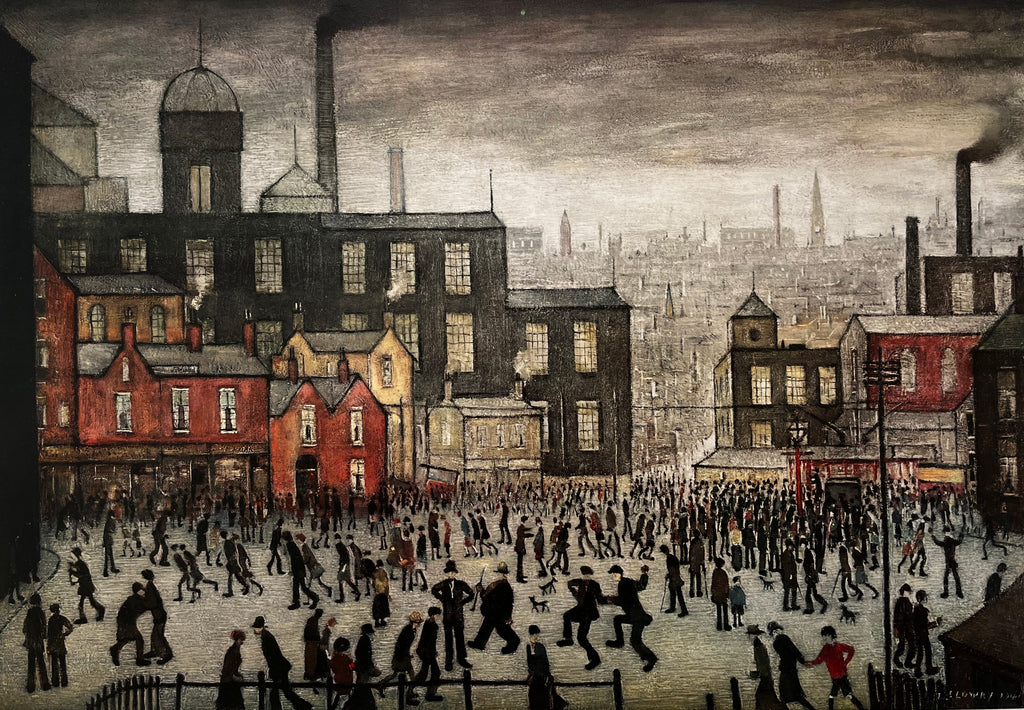
The Beauty of Industrial Artwork
Industrial artwork, with its roots in the industrial revolution and the rise of manufacturing, has evolved into a genre that celebrates the beauty of functionality and machinery. It captures the essence of industrial landscapes, machinery, and processes in a way that is both visually striking and thought-provoking.
One of the defining features of industrial artwork is its ability to transform mundane industrial scenes into captivating works of art. Artists often focus on the intricate details of machinery, the play of light and shadow in factory settings, and the geometric patterns found in industrial architecture.
Through their work, artists bring attention to the often-overlooked beauty of industrial environments. They highlight the symmetry, patterns, and textures that can be found in factories, warehouses, and manufacturing plants. By portraying these spaces in a new light, industrial artists challenge viewers to see beauty in unexpected places.
Industrial artwork also serves as a commentary on modern society’s relationship with industry and technology. It prompts viewers to consider the impact of industrialisation on our lives, communities, and environment. By capturing both the grandeur and grittiness of industrial settings, artists invite us to reflect on our interconnectedness with these spaces.
Whether through paintings, sculptures, photographs or mixed media pieces, industrial artwork continues to captivate audiences around the world. Its unique blend of aesthetics and social commentary makes it a dynamic and engaging genre that invites viewers to explore new perspectives on industry and innovation.
Understanding Industrial Art: Key Concepts and Influential Figures
- What are examples of industrial art?
- Who was the artist famous for painting industrial scenes?
- What defines industrial art?
- What is the 70/30 rule in art?
What are examples of industrial art?
Examples of industrial art encompass a wide range of creative expressions that draw inspiration from the world of industry and manufacturing. Common examples include paintings that depict factories, machinery, and urban landscapes with a focus on their geometric shapes and structural elements. Sculptures made from industrial materials such as metal, glass, or concrete often reflect the strength and functionality associated with industrial design. Photography that captures the beauty of abandoned factories or modern production facilities can also be considered industrial art, showcasing the interplay between light, shadow, and industrial structures. Additionally, installations that repurpose industrial objects or materials into thought-provoking artworks blur the lines between art and utility in innovative ways.
Who was the artist famous for painting industrial scenes?
One of the most prominent artists known for painting industrial scenes was L. S. Lowry, a British painter who gained fame for his distinctive depictions of urban landscapes and industrial settings. Lowry’s works often portrayed factories, mills, and bustling city streets with a unique blend of realism and stylisation. His iconic matchstick figures and smoky industrial backdrops captured the essence of working-class life in Northern England during the mid-20th century, earning him widespread acclaim for his evocative and socially conscious artistry.
What defines industrial art?
The definition of industrial art lies in its ability to encapsulate the essence of industrial landscapes, machinery, and processes through artistic expression. Industrial art typically focuses on capturing the beauty in functionality, showcasing the intricate details of machinery, the geometric patterns in industrial architecture, and the interplay of light and shadow in factory settings. It transforms mundane industrial scenes into captivating works that challenge viewers to see the aesthetic appeal in utilitarian spaces. By highlighting the often-overlooked beauty of industrial environments, industrial art prompts contemplation on our societal relationship with industry and technology, offering a fresh perspective on the impact of industrialisation on our lives and surroundings.
What is the 70/30 rule in art?
The 70/30 rule in art refers to a compositional guideline that suggests dividing a piece of artwork into 70% and 30% proportions. According to this rule, the larger portion (70%) should be dedicated to the dominant element or focal point of the composition, while the smaller portion (30%) is allocated to supporting elements or negative space. By following the 70/30 rule, artists can create visual balance, hierarchy, and emphasis within their work, guiding the viewer’s eye towards key elements and enhancing overall aesthetic appeal. This principle is commonly used in various art forms to achieve harmonious compositions that are visually engaging and well-structured.