
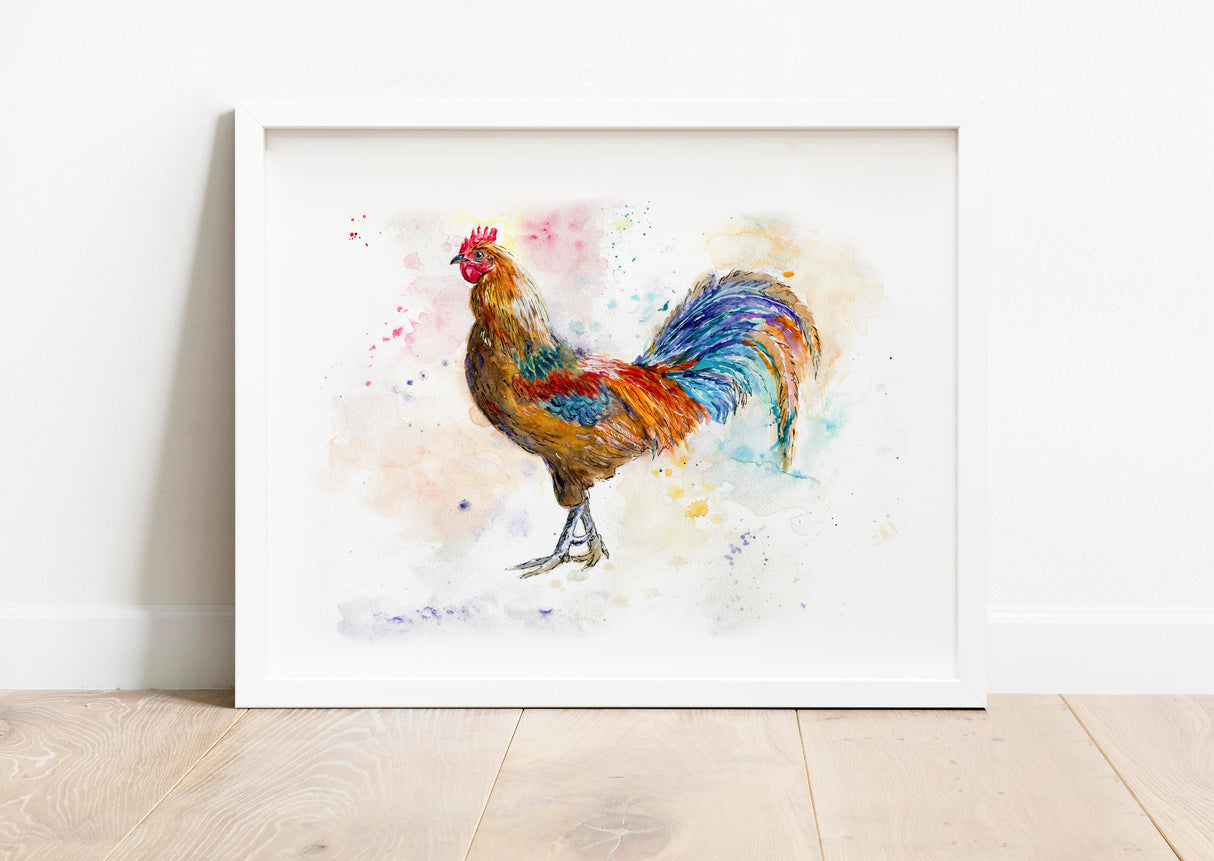
The Art of Drawing Prints: A Timeless Form of Expression
Drawing prints have long been cherished as a unique and captivating form of artistic expression. From intricate pen-and-ink sketches to vibrant digital illustrations, drawing prints offer a glimpse into the creative process and vision of the artist.
One of the defining features of drawing prints is their ability to capture a moment in time with exquisite detail and precision. Whether depicting a serene landscape, a dynamic portrait, or an abstract composition, each print conveys the artist’s perspective and emotions in a tangible form.
Through the use of various techniques and mediums, artists can create prints that range from realistic to abstract, from monochromatic to colourful. The versatility of drawing prints allows for endless experimentation and innovation, making each piece truly unique.
Moreover, drawing prints hold a special allure for art enthusiasts and collectors alike. The limited-edition nature of many prints adds to their exclusivity and value, making them highly sought after in the art world.
As technology continues to advance, digital drawing prints have become increasingly popular among artists seeking new ways to showcase their work. Digital printing techniques offer enhanced precision and colour reproduction, allowing for stunningly detailed prints that rival traditional methods.
Whether created by hand or through digital means, drawing prints continue to captivate audiences with their beauty and depth. They serve as a testament to the enduring appeal of visual art and its power to inspire, provoke thought, and evoke emotion.
So next time you come across a drawing print, take a moment to appreciate the skill and creativity that went into its creation. Each print tells a story – what will yours be?
Exploring the Artistic Value and Versatility of Drawing Prints: Six Key Benefits
- Drawing prints capture intricate details with precision.
- They offer a diverse range of styles and techniques to explore.
- Drawing prints can be created using traditional or digital methods.
- Limited-edition drawing prints are highly valued by collectors.
- They serve as a tangible representation of the artist’s vision and emotions.
- Drawing prints can be a source of inspiration and reflection for viewers.
Five Drawbacks of Drawing Prints: Originality, Resale Value, Quality, Experience, and Market Saturation
- Limited originality compared to one-of-a-kind artworks
- Potential for lower resale value compared to unique pieces
- Quality can vary depending on printing techniques and materials used
- May not convey the same tactile experience as traditional art mediums
- Risk of overproduction leading to saturation in the market
Drawing prints capture intricate details with precision.
Drawing prints excel in capturing intricate details with remarkable precision, allowing artists to convey depth, texture, and nuance in their work with unparalleled accuracy. Whether it’s the delicate lines of a botanical illustration or the intricate patterns in a portrait, drawing prints preserve the subtleties of the artist’s vision in a way that is both captivating and immersive. This meticulous attention to detail not only showcases the artist’s technical skill but also invites viewers to explore and appreciate the intricacies of the artwork on a deeper level.
They offer a diverse range of styles and techniques to explore.
Drawing prints present a compelling pro in their ability to offer a diverse range of styles and techniques for artists to explore. From traditional pen-and-ink drawings to digital illustrations, artists have a vast array of options at their disposal to express their creativity and vision. This diversity allows artists to experiment with different mediums, textures, and approaches, leading to a rich tapestry of artistic possibilities that can cater to various tastes and preferences. Whether aiming for realism, abstraction, or something in between, drawing prints provide a platform for endless exploration and innovation in the realm of visual art.
Drawing prints can be created using traditional or digital methods.
One significant advantage of drawing prints is the versatility in their creation, as they can be produced using both traditional and digital methods. Artists have the freedom to choose the approach that best suits their vision and style, whether it involves the tactile experience of hand-drawn prints or the precision and flexibility offered by digital tools. This flexibility allows artists to explore a wide range of techniques and mediums, resulting in a diverse array of captivating prints that cater to different preferences and artistic preferences.
Limited-edition drawing prints are highly valued by collectors.
Limited-edition drawing prints hold a special allure for collectors due to their exclusivity and scarcity. The limited number of prints available ensures that each piece is highly sought after and valued within the art market. Collectors are drawn to the rarity of these prints, knowing that they possess a unique and limited edition artwork that adds prestige to their collection. The limited availability of drawing prints enhances their desirability and makes them a prized possession for art enthusiasts looking to invest in pieces that are both aesthetically pleasing and culturally significant.
They serve as a tangible representation of the artist’s vision and emotions.
Drawing prints serve as a tangible representation of the artist’s vision and emotions, capturing a moment in time with exquisite detail and precision. Whether it’s a delicate pen-and-ink sketch or a vibrant digital illustration, each print conveys the artist’s perspective and creative energy in a tangible form that can be appreciated and understood by viewers. The intricate lines, colours, and textures in drawing prints not only showcase the artist’s technical skill but also provide a window into their inner world, inviting audiences to connect with the artwork on a deeper emotional level.
Drawing prints can be a source of inspiration and reflection for viewers.
Drawing prints have the remarkable ability to serve as a source of inspiration and reflection for viewers. Whether it’s a captivating landscape, a thought-provoking portrait, or an abstract composition, drawing prints have the power to evoke emotions, spark creativity, and stimulate contemplation. By immersing themselves in the intricate details and unique perspectives captured in drawing prints, viewers can find moments of connection, introspection, and renewed appreciation for the beauty and complexity of the world around them.
Limited originality compared to one-of-a-kind artworks
One notable drawback of drawing prints is their limited originality when compared to one-of-a-kind artworks. While prints can be beautifully crafted and reproduced with precision, they lack the inherent uniqueness and individuality that come with owning an original piece of art. Each print may be part of a numbered series, making it less exclusive and personal than a one-of-a-kind artwork that bears the unmistakable mark of the artist’s hand and vision. Collectors and art enthusiasts often value the rarity and authenticity of owning an original artwork, which can evoke a deeper connection and appreciation for the artist’s creative process and intent.
Potential for lower resale value compared to unique pieces
One notable con of drawing prints is their potential for lower resale value compared to unique pieces. Due to the nature of prints being reproductions of an original artwork, they may not hold the same exclusivity or rarity as one-of-a-kind pieces created by the artist. Collectors and art enthusiasts often place a higher premium on original works, which can impact the market value of drawing prints. While prints offer affordability and accessibility to a wider audience, their perceived value in the secondary market may be diminished due to their reproducibility.
Quality can vary depending on printing techniques and materials used
One drawback of drawing prints is the potential variation in quality that can arise due to the printing techniques and materials employed. Different printing methods and materials can yield varying results, impacting factors such as colour accuracy, detail reproduction, and longevity of the print. This variability can make it challenging for artists and collectors to ensure consistency and fidelity in the final output, highlighting the importance of selecting reputable printers and high-quality materials to achieve desired results.
May not convey the same tactile experience as traditional art mediums
One notable drawback of drawing prints is that they may not convey the same tactile experience as traditional art mediums. While a printed image can capture intricate details and vibrant colours, it lacks the physical texture and depth that one can feel when interacting with a painting or drawing created using traditional mediums such as oil paints or charcoal. The absence of tactile sensations in drawing prints can sometimes diminish the viewer’s connection with the artwork, as the sense of touch plays a significant role in experiencing and appreciating art in its entirety.
Risk of overproduction leading to saturation in the market
One significant drawback of drawing prints is the risk of overproduction, which can ultimately lead to saturation in the market. When artists produce a large quantity of prints, it can diminish the exclusivity and perceived value of each piece. As more prints flood the market, collectors may become overwhelmed with choices, making it challenging for individual works to stand out and command attention. This oversaturation can not only dilute the uniqueness of each print but also impact the overall perception of drawing prints as a collectible art form. Artists and publishers must carefully consider production quantities to maintain the integrity and desirability of their prints in a competitive market.