
The Magic of Abstract Acrylic Painting
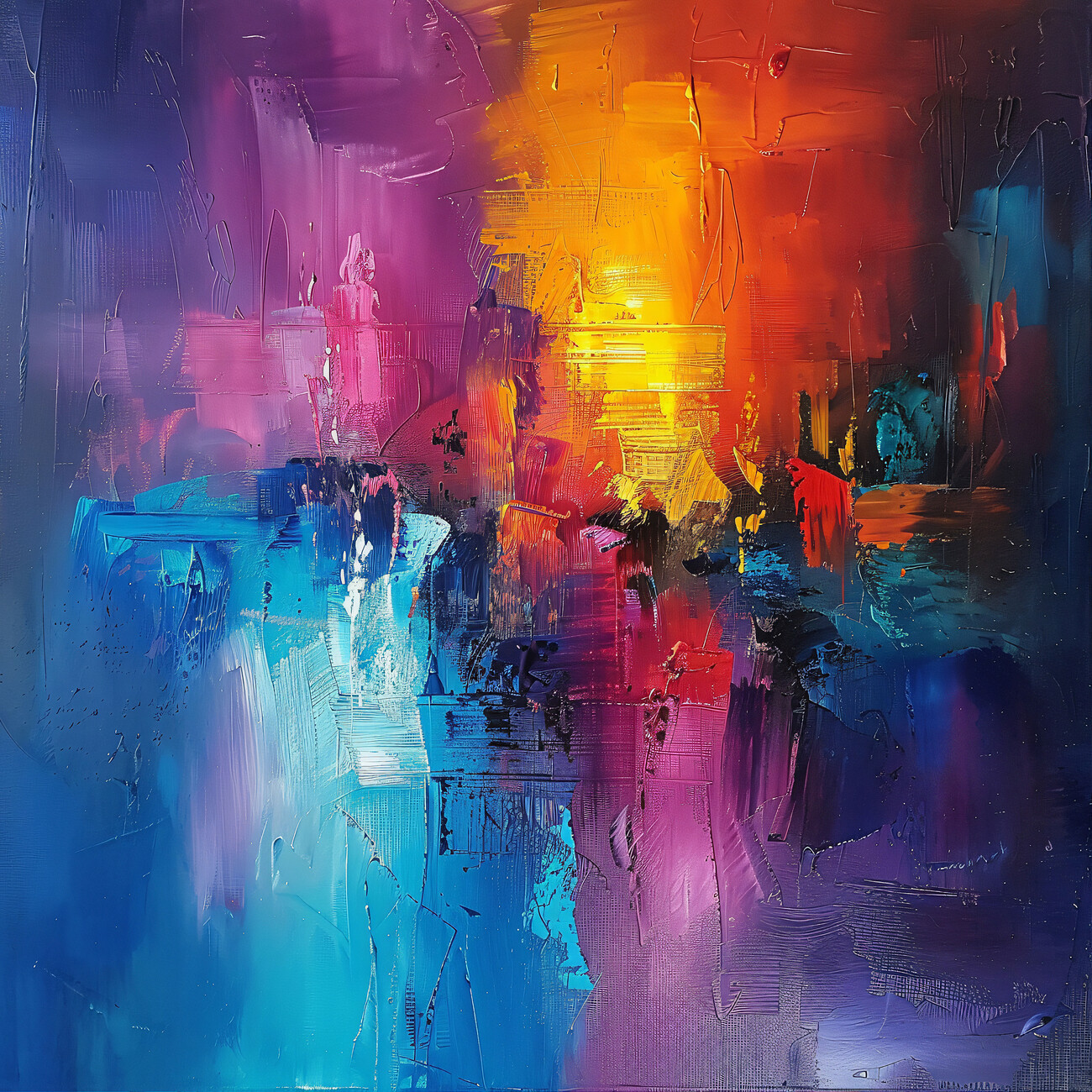
Abstract acrylic painting is a form of art that captivates the imagination and stirs the soul. With its vibrant colours, dynamic textures, and boundless creativity, abstract acrylic painting offers artists a unique platform for self-expression and exploration.
One of the defining features of abstract acrylic painting is its freedom from representational constraints. Artists working in this medium are not bound by the need to depict reality; instead, they can delve into the realm of pure emotion, thought, and sensation.
Acrylic paint’s versatility makes it an ideal medium for abstract art. Its quick drying time allows artists to layer colours, create intricate textures, and experiment with different techniques with ease. Whether using brushes, palette knives, or even unconventional tools, artists can achieve a wide range of effects that add depth and dimension to their work.
Abstract acrylic paintings often convey a sense of energy and movement. Bold brushstrokes, swirling patterns, and contrasting hues come together to create compositions that are visually striking and emotionally resonant. Each piece invites viewers to interpret and connect with the artwork in their own unique way.
For artists, abstract acrylic painting can be a deeply personal journey of self-discovery. It encourages experimentation, spontaneity, and risk-taking – pushing them to embrace uncertainty and trust their instincts. Through the process of creating abstract art, artists can tap into their innermost thoughts and feelings, giving voice to emotions that may be difficult to express through words alone.
Whether you are an artist looking to explore new creative avenues or an art enthusiast seeking inspiration, abstract acrylic painting offers a world of possibilities waiting to be discovered. Step into this mesmerising realm where colour meets emotion, form meets expression, and imagination knows no bounds.
Exploring the Artistic Freedom and Emotional Depth of Abstract Acrylic Painting
- 1. Offers freedom of expression without the constraints of reality
- 2. Versatile medium that allows for experimentation with different techniques
- 3. Quick drying time enables artists to layer colours and textures effectively
- 4. Creates visually striking compositions with bold brushstrokes and vibrant hues
- 5. Encourages artists to explore their emotions and thoughts through abstract forms
- 6. Provides a platform for creative risk-taking and spontaneity in art-making
- 7. Invites viewers to interpret and connect with the artwork in their own unique way
Challenges Faced in Abstract Acrylic Painting: A Guide for Beginners
- Abstract acrylic painting can be challenging for beginners due to its emphasis on creativity and experimentation.
- Acquiring a variety of acrylic paints, brushes, and other materials for abstract painting can be costly.
- The fast-drying nature of acrylic paint may require artists to work quickly and decisively, limiting the time for adjustments.
- Creating cohesive compositions in abstract acrylic painting requires a good understanding of colour theory and design principles.
- Achieving desired textures and effects in abstract acrylic painting may take time and practice to master.
- Interpreting abstract art can be subjective, leading to potential misunderstandings or misinterpretations by viewers.
- Abstract acrylic paintings may not always resonate with traditional art collectors or audiences who prefer representational art.
1. Offers freedom of expression without the constraints of reality
Abstract acrylic painting offers artists a liberating sense of freedom, allowing them to express themselves without the constraints of reality. By breaking away from the need to represent objects or scenes realistically, artists can delve into a realm of pure creativity and emotion. This artistic approach encourages individuals to explore their innermost thoughts and feelings, translating them into vibrant colours, dynamic shapes, and expressive textures on the canvas. The absence of strict boundaries in abstract acrylic painting empowers artists to unleash their imagination fully, resulting in artworks that are deeply personal and evocative.
2. Versatile medium that allows for experimentation with different techniques
Abstract acrylic painting is celebrated for its versatility as a medium, offering artists the freedom to experiment with a wide range of techniques. From layering colours to creating intricate textures, acrylic paint’s quick-drying nature enables artists to explore and push the boundaries of their creativity. Whether using brushes, palette knives, or unconventional tools, artists can achieve diverse effects that add depth and complexity to their work. This versatility encourages artists to innovate and explore new ways of expression, making abstract acrylic painting a dynamic and engaging artistic practice.
3. Quick drying time enables artists to layer colours and textures effectively
One of the key advantages of abstract acrylic painting is its quick drying time, which allows artists to layer colours and textures effectively. This feature empowers artists to experiment with multiple layers, creating depth and complexity in their compositions. By building upon dried layers without waiting for extended drying times, artists can seamlessly blend colours, add intricate details, and explore diverse textures to achieve captivating visual effects in their abstract acrylic paintings.
4. Creates visually striking compositions with bold brushstrokes and vibrant hues
One of the key advantages of abstract acrylic painting is its ability to create visually striking compositions through bold brushstrokes and vibrant hues. By employing dynamic brushwork and a rich palette of colours, artists can craft artworks that command attention and evoke powerful emotions. The juxtaposition of bold strokes and intense hues adds a sense of energy and movement to the canvas, resulting in captivating pieces that draw viewers in and invite them to explore the depths of the artist’s vision.
5. Encourages artists to explore their emotions and thoughts through abstract forms
Abstract acrylic painting serves as a powerful tool for artists to delve into the depths of their emotions and thoughts through abstract forms. By breaking free from the constraints of realism, artists are encouraged to express their innermost feelings and ideas in a visually compelling way. This process of exploration allows artists to tap into their subconscious, unveiling layers of meaning and symbolism that may not be easily articulated through traditional representational art. Through the language of abstract forms, artists can communicate complex emotions, memories, and experiences, inviting viewers to engage with the artwork on a deeply personal and introspective level.
6. Provides a platform for creative risk-taking and spontaneity in art-making
Abstract acrylic painting provides a platform for creative risk-taking and spontaneity in art-making. Artists working in this medium are encouraged to push boundaries, experiment with unconventional techniques, and embrace the unknown. The fluid nature of acrylic paint allows for quick adjustments and intuitive decision-making, fostering a sense of freedom and exploration in the creative process. By taking risks and being spontaneous, artists can uncover new possibilities, discover hidden talents, and unleash their artistic potential in ways they may not have imagined before.
7. Invites viewers to interpret and connect with the artwork in their own unique way
One of the compelling aspects of abstract acrylic painting is its ability to invite viewers to interpret and connect with the artwork in their own unique way. Unlike representational art that may convey a specific message or narrative, abstract paintings leave room for individual interpretation and personal reflection. Each viewer brings their own experiences, emotions, and perspectives to the artwork, allowing for a diverse range of meanings and connections to be formed. This open-ended nature of abstract acrylic painting encourages viewers to engage with the art on a deeper level, sparking imagination and fostering a sense of personal connection that transcends traditional boundaries of communication.
Abstract acrylic painting can be challenging for beginners due to its emphasis on creativity and experimentation.
Embarking on the journey of abstract acrylic painting can pose a significant challenge for beginners, primarily due to its emphasis on creativity and experimentation. Unlike more structured forms of art, abstract acrylic painting requires artists to break free from traditional rules and conventions, pushing them out of their comfort zones. The need to explore new techniques, embrace spontaneity, and trust one’s instincts can be daunting for those who are just starting out in the world of art. However, overcoming this initial hurdle can lead to immense growth and self-discovery as artists learn to navigate the boundless possibilities that abstract acrylic painting has to offer.
Acquiring a variety of acrylic paints, brushes, and other materials for abstract painting can be costly.
Acquiring a diverse range of acrylic paints, brushes, and other essential materials for abstract painting can present a significant financial challenge for artists. The cost of high-quality acrylic paints, specialised brushes, and various tools needed to create intricate textures and effects can quickly add up, making it a considerable investment for artists seeking to explore the world of abstract art. This financial barrier may deter some aspiring artists from fully engaging in the medium, limiting their ability to experiment with different techniques and express their creativity to the fullest extent.
The fast-drying nature of acrylic paint may require artists to work quickly and decisively, limiting the time for adjustments.
The fast-drying nature of acrylic paint can present a significant challenge for artists working in abstract acrylic painting. This con often necessitates artists to work swiftly and make decisive choices during the creative process, as there is limited time for adjustments once the paint is applied to the canvas. This time constraint can add an element of pressure and urgency to the artistic process, potentially hindering the artist’s ability to fully explore different possibilities and refine their work. As a result, artists may need to adapt their techniques and approaches to accommodate the rapid drying time of acrylic paint, finding a delicate balance between spontaneity and precision in their artistry.
Creating cohesive compositions in abstract acrylic painting requires a good understanding of colour theory and design principles.
Achieving cohesive compositions in abstract acrylic painting can be challenging due to the intricate interplay of colour theory and design principles. Artists must possess a deep understanding of how colours interact, complement, or contrast with one another to create harmonious visual arrangements. Without a mastery of these fundamental concepts, artworks may lack unity and coherence, resulting in disjointed or chaotic compositions. Through careful consideration and application of colour theory and design principles, artists can elevate their abstract acrylic paintings to new levels of sophistication and visual impact, ensuring that every element works together seamlessly to convey their intended message or emotion.
Achieving desired textures and effects in abstract acrylic painting may take time and practice to master.
In the realm of abstract acrylic painting, one significant challenge lies in mastering the art of achieving desired textures and effects. This aspect demands patience, dedication, and a willingness to experiment with various techniques over time. Artists embarking on this creative journey may find themselves facing a learning curve as they strive to manipulate acrylic paint to create the specific textures and visual effects they envision. However, through persistent practice and a spirit of exploration, artists can gradually hone their skills and unlock the full potential of abstract acrylic painting, transforming initial hurdles into opportunities for growth and artistic development.
Interpreting abstract art can be subjective, leading to potential misunderstandings or misinterpretations by viewers.
Interpreting abstract art can be a double-edged sword, as its subjective nature opens the door to potential misunderstandings or misinterpretations among viewers. The lack of concrete visual references in abstract acrylic paintings can sometimes result in varied and conflicting interpretations, depending on each individual’s unique perspective and personal experiences. This ambiguity may lead to misconceptions about the artist’s intended message or themes, creating a challenge for both creators and audiences to navigate the intricate layers of meaning within abstract artworks.
Abstract acrylic paintings may not always resonate with traditional art collectors or audiences who prefer representational art.
Abstract acrylic paintings may not always resonate with traditional art collectors or audiences who prefer representational art. The unconventional nature of abstract art, with its emphasis on emotion and expression over realistic depiction, can sometimes pose a challenge for those accustomed to more traditional forms of artwork. The lack of easily identifiable subjects or narratives in abstract acrylic paintings may lead some viewers to feel disconnected or unsure of how to engage with the piece. However, it is precisely this departure from the familiar that makes abstract acrylic painting so compelling for those who appreciate its unique ability to evoke complex emotions and spark introspection.