
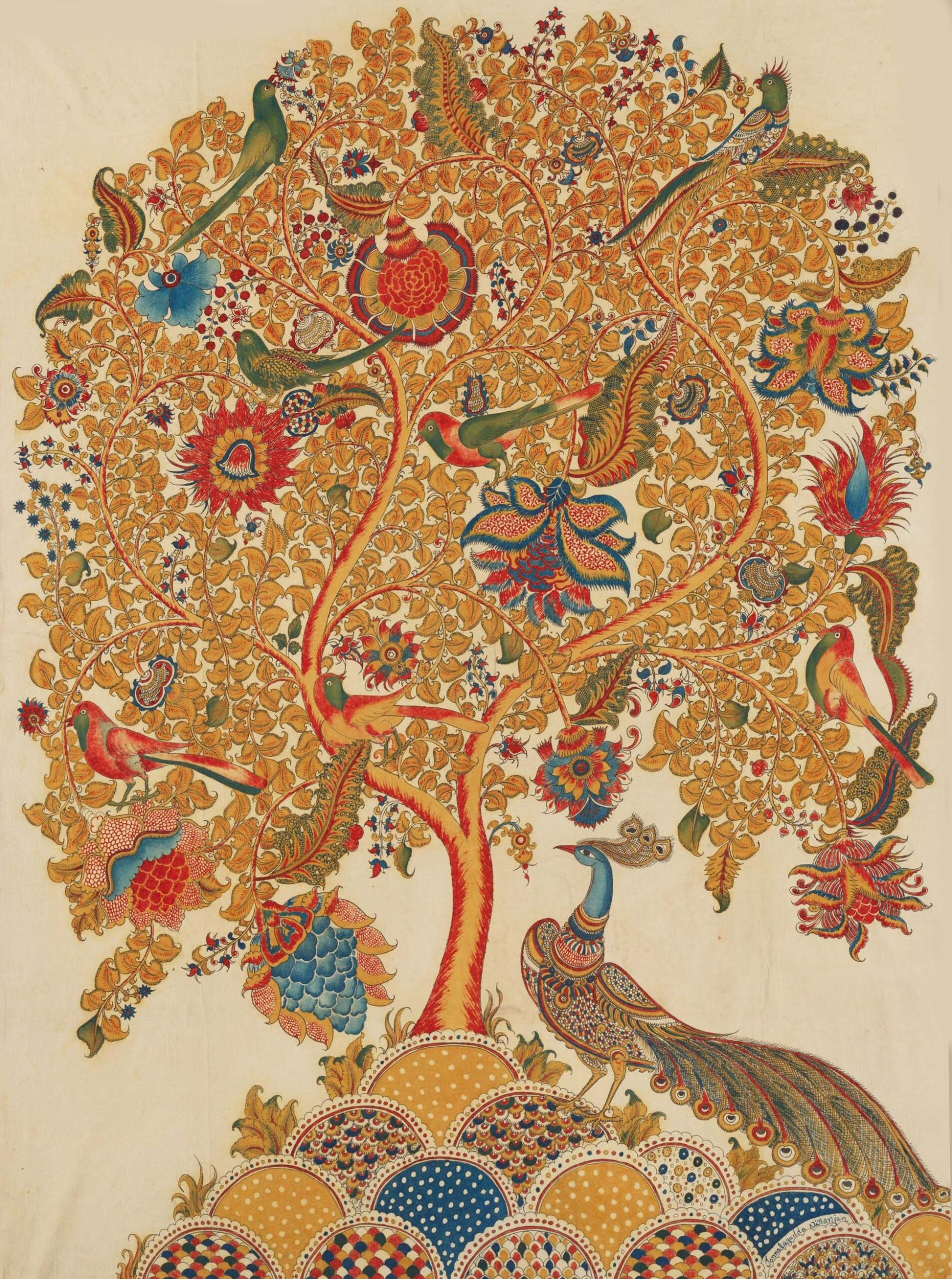
The Meaning and Beauty of a Tree of Life Painting
A tree of life painting brings together the natural world and the human imagination. With roots reaching into the earth and branches stretching towards the sky, the tree offers a striking image of connection, growth and renewal. Its familiar form has inspired artists and storytellers across cultures, making it a subject that can feel both deeply personal and widely meaningful.
What does the tree of life symbolise?
The tree of life is often associated with the connections between all living things. Its roots can suggest heritage, memory and a sense of belonging, while its trunk may represent strength and the experiences that shape us. Branches reaching outwards can evoke possibility, change and the relationships that link one life to another.
These meanings are not fixed. For some, a tree of life painting may express family and ancestry; for others, it may be a reminder of resilience, balance or the changing seasons. The image can also represent the cycle of life, as new growth appears and leaves fall away.
A motif found across cultures
Images of sacred or symbolic trees appear in the traditions and stories of many different societies. Their meanings vary, but trees are often regarded as meeting points between the earth, the heavens and the living world. They provide shelter and nourishment, and their long lives make them natural symbols of endurance and continuity.
Artists have interpreted the motif in many ways, from carefully observed trees in landscapes to imaginative designs filled with curling branches, birds, flowers and fruit. A painting may draw on a particular cultural tradition, or use the tree as a more personal image. Looking at the details can reveal which ideas matter most in a particular work.
Different styles of tree of life art
A tree of life painting can be realistic, decorative or abstract. In a naturalistic work, the shape of the tree and its surrounding landscape may take centre stage. In a more stylised painting, the branches might form an intricate pattern, with leaves and blossoms arranged almost like a tapestry.
Colour also changes the mood. Rich greens and earthy browns can give a sense of calm and rootedness, while bright, contrasting colours can make the tree feel joyful or dreamlike. Some paintings emphasise the bare structure of branches; others celebrate abundance with dense foliage, flowers or fruit. There is no single correct interpretation—the artist’s choices and the viewer’s own associations both play a part.
Choosing a tree of life painting for your home
When choosing a painting, consider the feeling you want it to bring to a room. A softly coloured tree may create a peaceful atmosphere, while a bold, intricate design can become a lively focal point. Think about the scale of the artwork, too: a larger piece can anchor a wall, whereas a smaller painting may suit a reading nook or a thoughtfully arranged collection.
It can also be worth taking time to notice the painting’s details. Do the roots feel prominent, or do the branches draw your attention? Are there birds, blossoms or other forms woven into the composition? The features that resonate with you may help make the artwork feel especially meaningful.
A lasting image of growth and connection
The appeal of a tree of life painting lies in its openness. It can speak of family, nature, change, hope or simply the beauty of a tree reaching towards the light. Whether rendered in delicate lines or vivid colour, the motif offers a reminder that growth is shaped by both what lies beneath us and what we reach towards.
For collectors and art lovers alike, a tree of life painting can be more than a decorative image. It can be a personal symbol—one that invites reflection and reveals something new each time it is viewed.
Mastering the Art of Tree of Life Painting: 7 Essential Tips
- Sketch the trunk and branches lightly first.
- Use sweeping lines to create flowing branches.
- Add colour in layers for depth.
- Vary leaf shapes and sizes.
- Include roots to balance the composition.
- Choose a palette that suits your mood.
- Let each paint layer dry before adding details.
Sketch the trunk and branches lightly first.
Begin by sketching the trunk and branches lightly in pencil, using simple lines to map out the tree’s shape and balance. Keep your marks faint so they’re easy to adjust as you develop the composition. Once you’re happy with the structure, you can build up the details, leaves and colour with confidence.
Use sweeping lines to create flowing branches.
Use sweeping lines to give the branches a sense of movement and flow. Let them curve and reach naturally from the trunk, varying their direction and length to create a balanced, lively shape. Keeping the lines loose at first can help the tree feel organic, while carefully refining them later will add definition without losing the sense of growth and movement.
Add colour in layers for depth.
Add colour in layers to give your tree of life painting a greater sense of depth and richness. Begin with lighter, more transparent washes, allowing each layer to dry before adding darker tones and finer details. Build up colour gradually in the roots, trunk and branches, using subtle variations to suggest texture, shadow and movement. This approach helps the tree feel more dimensional while keeping the finished painting lively and balanced.
Vary leaf shapes and sizes.
Varying the shapes and sizes of leaves gives a tree of life painting a more natural, lively feel. Mix broad leaves with smaller, finer ones, and let their forms change across the branches rather than repeating the same shape. This adds texture and visual interest, while helping the tree feel abundant and full of growth.
Include roots to balance the composition.
Including roots in a tree of life painting can help balance the composition, grounding the branches and foliage above. Their shapes can echo the curves of the canopy, drawing the viewer’s eye through the artwork and creating a stronger sense of harmony. Roots may also add meaning, suggesting stability, heritage and the connections that support growth.
Choose a palette that suits your mood.
Choose a palette that suits the mood you want your tree of life painting to create. Earthy greens, browns and soft neutrals can bring a calm, grounded feeling, while warm reds, oranges and golds suggest energy and vitality. For a more playful or dreamlike effect, try unexpected combinations such as blues, purples or bright contrasting colours. Let the hues reflect your personal style and the atmosphere you want the finished painting to bring to the room.
Let each paint layer dry before adding details.
Let each layer of paint dry fully before adding details to your tree of life painting. This helps prevent colours from smudging or blending unintentionally, and gives fine lines, leaves and branches a cleaner, more defined finish. Drying times vary depending on the paint and how thickly it has been applied, so check the surface is dry to the touch before continuing.