
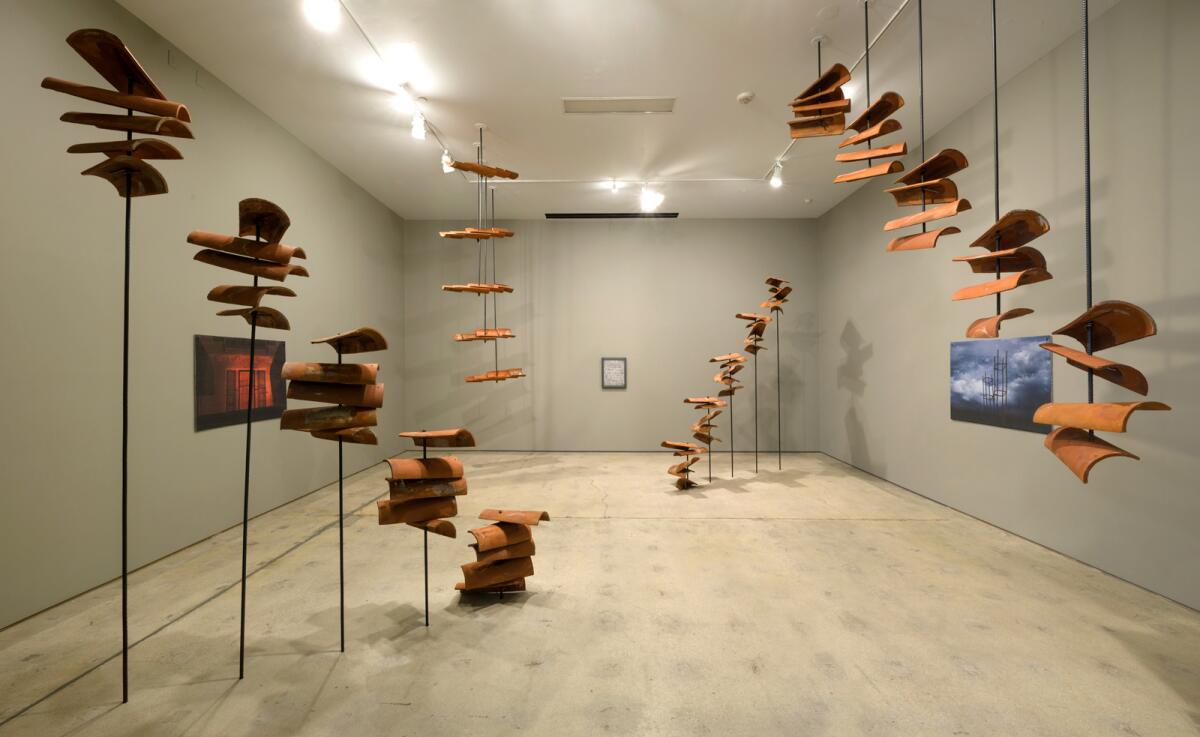
Contemporary Sculpture: Art in Three Dimensions
Contemporary sculpture is an expansive and constantly evolving art form. It can be carved, cast, assembled, woven, printed or built from materials both familiar and unexpected. Some works occupy galleries and public spaces; others are temporary, interactive or made to exist only in photographs and memory. What connects them is an interest in shaping space and inviting us to experience ideas through form.
Beyond the traditional materials
Stone, wood, bronze and clay remain important to sculpture, but contemporary artists often combine them with industrial and everyday materials. Steel, glass, plastic, textiles, found objects and recycled components can all become part of a work. Digital tools have also widened the possibilities, allowing artists to design complex forms, use 3D printing or bring physical objects together with sound, light and moving image.
The choice of material is rarely just practical. A discarded object might prompt questions about consumption or memory, while a polished metal surface could reflect the viewer and the surrounding space. Materials carry histories and associations of their own, adding meaning to the finished work.
Rethinking what sculpture can be
Sculpture is no longer limited to a solid object on a plinth. It may be a large-scale installation that transforms an entire room, a delicate arrangement suspended from the ceiling or a work that changes in response to weather, light or human movement. Some artists invite visitors to touch, walk through or otherwise take part in the work.
This expanded approach can make the viewer’s experience central to the sculpture. The work may appear different from each angle, or change as people move around it. In this way, looking becomes an active process: the audience helps to shape how the sculpture is encountered.
Ideas in three dimensions
Contemporary sculpture addresses a wide range of subjects, from identity and the body to technology, migration, environmental change and the built landscape. Artists may use abstraction, recognisable figures or everyday forms to explore these themes. A sculpture does not always offer a single, clear message. Its scale, texture and placement can prompt questions rather than provide answers.
Public sculpture has a particular relationship with its setting. A work placed in a square, park or busy street becomes part of daily life, encountered by people who may not have chosen to visit an exhibition. Its surroundings can alter its meaning, while the sculpture itself can change how a place is perceived.
Experiencing sculpture
One of sculpture’s distinctive qualities is its physical presence. Unlike an image viewed on a screen, a sculpture occupies space alongside the viewer. Its weight, surface and proportions can be felt even without touching it. Walking around a work reveals new details, shadows and relationships between its forms.
There is no single correct way to respond. Take time to notice how a sculpture is made, what its materials suggest and how it relates to the space around it. Consider whether its scale feels inviting, imposing or unfamiliar. Even a brief encounter can be rewarding when approached with curiosity.
An art form in motion
Contemporary sculpture continues to challenge established boundaries between art, design, architecture and performance. Its forms and materials evolve alongside changes in technology and society, while its fundamental appeal remains rooted in our experience of the physical world. By giving ideas a presence in space, sculpture offers a direct and often surprising way to see familiar things anew.
7 Insights into Understanding Contemporary Sculpture
- Explore how materials shape meaning.
- Look beyond traditional stone and bronze.
- Notice the space around each work.
- Consider how light changes the piece.
- Check whether interaction is encouraged.
- Read the title, but trust your own response.
- Compare how different artists use found objects.
Explore how materials shape meaning.
Materials are never just a means to make a sculpture: they help shape what it says and how it feels. A rough, weathered surface might suggest age, fragility or connection to nature, while polished steel can evoke industry, precision or modern life. Found and recycled objects may carry traces of their previous use, adding associations of memory and consumption. As you look at a sculpture, consider why the artist might have chosen those materials and how their texture, weight and history influence your response.
Look beyond traditional stone and bronze.
Contemporary sculpture reaches far beyond traditional stone and bronze. Artists work with materials such as recycled plastics, textiles, glass, steel and everyday objects, often choosing them for the associations and histories they carry. As you explore a sculpture, consider how its material shapes your response: a discarded object might raise questions about waste or memory, while fabric can suggest softness, movement or fragility.
Notice the space around each work.
Notice the space around each work as well as the sculpture itself. Its position, the distance between forms and the way it interacts with light, walls or nearby objects can shape how it feels. Step back, move around it and observe how your view changes; the surrounding space is often an essential part of the artist’s idea.
Consider how light changes the piece.
Consider how light changes the piece as you move around it. Natural and artificial light can reveal textures, create shifting shadows and alter the sculpture’s colours or apparent shape. Notice whether the work looks different at various times of day, and how its materials respond to brightness, reflection or darkness. These changes can make the sculpture feel dynamic, inviting you to pause and experience it from more than one perspective.
Check whether interaction is encouraged.
Before touching, moving or entering a sculpture, check whether interaction is encouraged. Some works are designed for visitors to handle or explore, while others are fragile, carefully positioned or intended to be viewed from a distance. Look for signs or guidance from gallery staff, and when in doubt, ask before engaging. This helps protect the artwork and ensures everyone can enjoy it safely.
Read the title, but trust your own response.
A sculpture’s title can offer a helpful clue to the artist’s ideas, but it needn’t dictate what you see. Read it, then take time to notice your own response: the shapes, materials and feelings that stand out to you. Your interpretation may differ from the artist’s intention, and that personal connection is part of the experience.
Compare how different artists use found objects.
Compare how different artists use found objects, and notice how each choice changes the meaning of a work. One artist might preserve an object’s original form to evoke memory or everyday life, while another may dismantle or combine it with unfamiliar materials to comment on waste, consumer culture or transformation. Consider the object’s history, texture and placement, and how your response shifts between works.