
What Is a Contemporary Artist?
A contemporary artist is an artist whose work is made in the present day, shaped by the ideas, experiences and questions of our time. The term covers a wide range of creative practices, from painting and sculpture to photography, film, installation and digital media. There is no single style or subject that defines contemporary art; its variety is part of its appeal.
Art shaped by the present
Contemporary artists often respond to the world around them. Their work may explore identity, memory, place, nature, technology or the ways people relate to one another. Some artists address these subjects directly, while others use colour, form, material and mood to create a more open-ended experience.
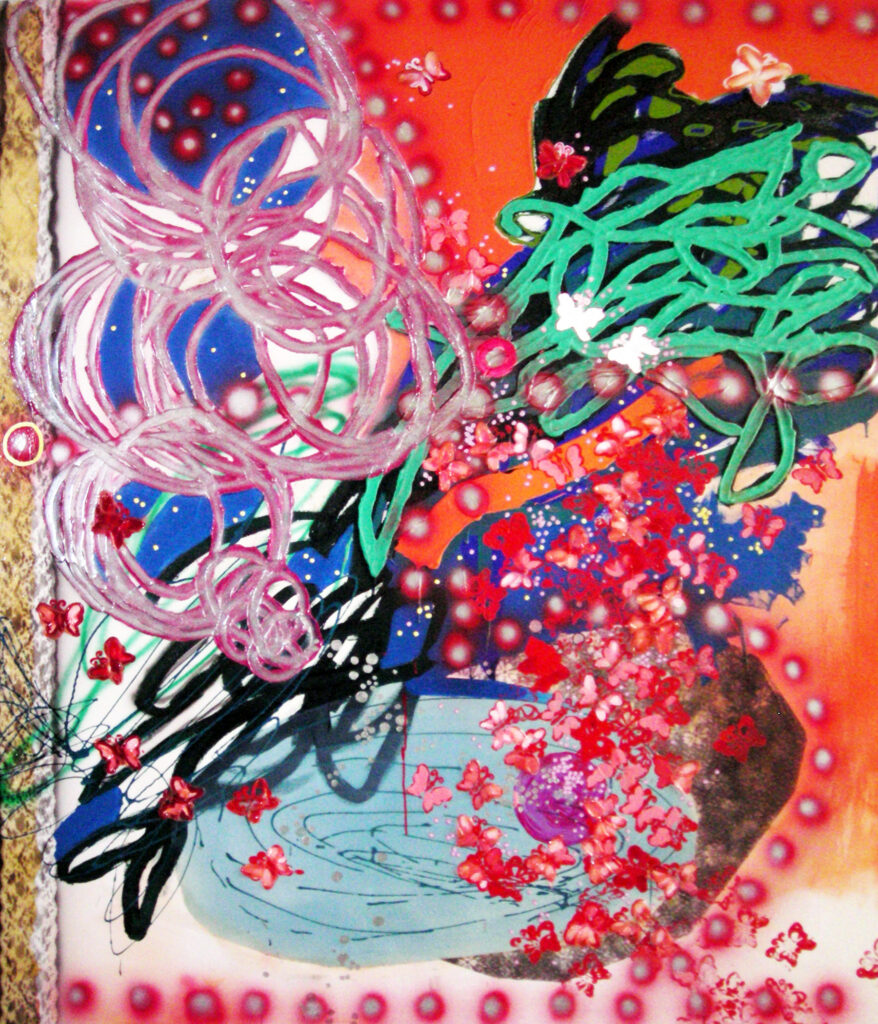
Rather than offering one fixed interpretation, a work of art can invite viewers to bring their own thoughts and experiences to it. The same painting may feel different to different people — or even to the same person at different times. This freedom to look, reflect and find meaning is an important part of engaging with contemporary art.
A wide range of approaches
Painting remains a vital part of contemporary art, with artists continually exploring its possibilities. They may work with traditional materials, experiment with new techniques or combine painting with other forms. A finished work might be carefully planned, created through spontaneous gestures, or developed through a mixture of both.
Contemporary art is not defined by novelty alone. Many artists draw on the history of art and craft, revisiting familiar subjects and methods from a fresh perspective. A work can feel both rooted in tradition and connected to the present.
Looking at contemporary art
You do not need specialist knowledge to enjoy art. Start by noticing what draws your attention: a particular colour, shape, texture or detail. Consider how the work makes you feel, what it brings to mind and whether your response changes as you spend more time with it.
There is no need to arrive at a definitive answer. Looking slowly and staying curious can be just as rewarding as understanding the artist’s intentions. A little background information may add context, but your own response remains an important part of the experience.
Why contemporary art matters
Contemporary art gives artists a way to make sense of the world and gives audiences an opportunity to encounter it from different perspectives. It can prompt conversation, offer moments of calm or surprise, and draw attention to details that might otherwise go unnoticed.
Whether encountered in a gallery, online or at home, contemporary art can become part of everyday life. Its ability to hold attention, encourage reflection and create a personal connection is what continues to make it meaningful.
Contemporary Artists: Six Frequently Asked Questions
- What is a contemporary artist?
- What does a contemporary artist do?
- What is the difference between contemporary art and modern art?
- What materials and techniques do contemporary artists use?
- How can I find and buy work by a contemporary artist?
- How do contemporary artists get recognised?
What is a contemporary artist?
A contemporary artist is an artist creating work in the present day, often responding to the ideas, experiences and issues shaping modern life. Contemporary artists work across many forms, including painting, sculpture, photography, film and digital media, and their styles and subjects vary widely. Rather than following one set approach, they use their work to express perspectives, explore questions and invite viewers to find their own meaning.
What does a contemporary artist do?
A contemporary artist creates work in response to the ideas, experiences and world of today. This may involve painting, sculpture, photography, film, digital media or a combination of different approaches. Contemporary artists explore subjects that matter to them, experiment with materials and techniques, and invite viewers to see familiar themes from a fresh perspective. Their work can prompt reflection, spark conversation or simply offer a meaningful visual experience.
What is the difference between contemporary art and modern art?
Modern art generally refers to art made from the late 19th century to around the 1970s, when artists began breaking with traditional styles and exploring new ways of representing the world. Contemporary art, by contrast, refers broadly to art made from the late 20th century to the present day. The terms describe different periods rather than particular styles: modern art includes movements such as Impressionism and Cubism, while contemporary art reflects the diverse ideas, materials and experiences of our own time.
What materials and techniques do contemporary artists use?
Contemporary artists use a wide range of materials and techniques, depending on their ideas and chosen medium. Alongside traditional materials such as paint, canvas, clay and wood, they may work with photography, film, found objects, textiles, recycled materials or digital tools. Techniques can include layering, collage, printmaking, sculpture, installation and experimental mark-making. Many artists combine different approaches, reworking familiar materials or processes to create work that reflects their individual perspective and the world around them.
How can I find and buy work by a contemporary artist?
You can find work by a contemporary artist through their website, galleries, art fairs and reputable online platforms. Explore the artist’s available works, prices and delivery or collection options, and contact them or the gallery if you have questions about a piece, framing or provenance. Before buying, check the payment, returns and shipping terms, especially for original artwork.
How do contemporary artists get recognised?
Contemporary artists can gain recognition in many ways, including exhibiting their work in galleries, taking part in art fairs and open studios, and sharing their practice online. Building relationships with curators, collectors, fellow artists and local communities can also help their work reach wider audiences. Recognition often develops gradually through consistent practice, thoughtful presentation and opportunities to show work, rather than through a single breakthrough.