
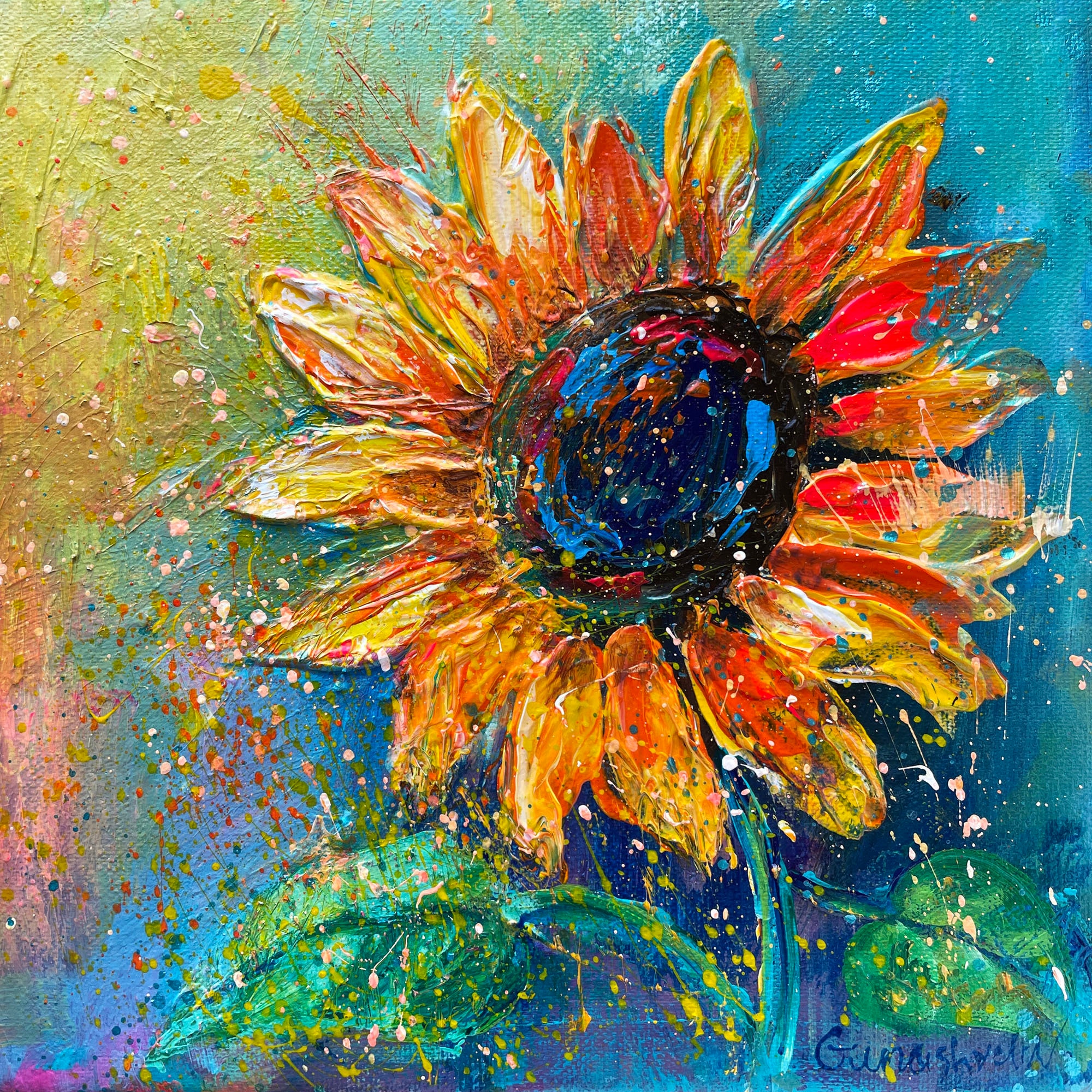
Sunflower Art: A Bright and Enduring Source of Inspiration
Few flowers have made such a lasting impression on the art world as the sunflower. With its vivid yellow petals, bold shape and unmistakable presence, it has inspired artists for centuries. Sunflower art can feel joyful and energetic, but it can also explore themes of nature, time, beauty and change.
Why artists are drawn to sunflowers
Sunflowers offer a striking combination of simplicity and complexity. Their large, circular heads make a strong focal point, while the petals, leaves and textured centres give artists plenty of detail to explore. Their tall stems and dramatic forms also work well in compositions, whether the flowers are shown in a vase, standing in a field or viewed close up.
Colour plays a major part in their appeal. The yellows and golds of the petals can suggest warmth and optimism, while deeper greens, browns and ochres bring contrast and richness. Artists may use bright, naturalistic colours or take a more expressive approach, changing the palette to create a particular mood.
From close observation to bold expression
Sunflowers can be painted in many different styles. A realistic artist might focus on the individual details of each flower: the delicate shifts in colour, the roughness of the stem and the intricate pattern at the centre. A more abstract interpretation might simplify these forms into broad shapes, energetic marks or unexpected colours.
Vincent van Gogh’s sunflower paintings are among the best-known works on the subject. His vivid use of yellow and expressive brushwork helped make the flower an enduring image in modern art. Yet sunflower art is not limited to one artist or approach. Contemporary painters, illustrators, photographers and printmakers continue to find new ways to depict this familiar bloom.
A flower with changing meanings
Sunflowers are often associated with happiness, hope and summer. Their tendency to turn towards the sun has also made them a symbol of loyalty and devotion. In art, however, their meaning can be more complex. A fading flower may suggest the passing of time, while a field of blooms might evoke abundance, freedom or the cycles of nature.
Context makes a difference. A single sunflower in a simple vase can feel intimate and reflective; a sweeping landscape filled with flowers can seem expansive and full of life. The artist’s choice of viewpoint, light and composition shapes how the subject is understood.
Sunflower art at home
Sunflower artwork can bring colour and character to a room. A large canvas may make a confident centrepiece, while a smaller print can add a cheerful accent to a kitchen, hallway or workspace. More muted interpretations can suit calmer interiors, while vibrant paintings pair naturally with other strong colours and patterns.
When choosing a piece, consider more than its subject. Look at the colours, scale and style, and think about how they will work with the room. A loose, expressive painting creates a different atmosphere from a finely detailed botanical study, even if both depict the same flower.
A timeless subject
The sunflower’s appeal lies in its ability to be both instantly recognisable and endlessly adaptable. It can be painted as a botanical study, a personal symbol or a vivid experiment in colour and form. That balance of familiarity and creative possibility is why sunflower art continues to captivate artists and audiences alike.
Exploring Sunflower Art: Symbolism, Artists, Styles, and Techniques
- What do sunflowers represent in art?
- What artist painted pictures of sunflowers?
- What art style is Sunflower?
- How do you paint sunflowers?
- How to make an easy drawing of sunflowers?
- What do sunflowers symbolize in art?
- Why did Van Gogh paint sunflowers?
What do sunflowers represent in art?
In art, sunflowers often represent happiness, warmth, hope and vitality, thanks to their bright petals and association with summer and sunlight. Their habit of turning towards the sun can also suggest loyalty, devotion or a search for light. The meaning can shift with the artist’s choices: flourishing blooms may evoke abundance and optimism, while wilting flowers can hint at ageing, change and the passing of time.
What artist painted pictures of sunflowers?
Vincent van Gogh is the artist most famously associated with paintings of sunflowers. He created several works featuring the flowers in the late 1880s, including his well-known series of sunflower still lifes, celebrated for their vivid yellows and expressive brushwork. Other artists have depicted sunflowers too, but Van Gogh’s paintings remain among the best-known examples.
What art style is Sunflower?
Sunflower art does not belong to one specific style; it can be created in many ways, from realistic botanical studies to abstract, decorative or impressionist paintings. Vincent van Gogh’s famous sunflower paintings are often associated with Post-Impressionism, known for expressive brushwork and vivid colour. The style depends on the artist’s approach and how they choose to portray the flower.
How do you paint sunflowers?
To paint sunflowers, begin by sketching the main shapes: the flower heads, stems and leaves, paying attention to their size and position. Build up the petals with layered strokes of yellow, adding lighter highlights and deeper ochres or browns for shadow and depth. For the centre, use small, varied marks in dark brown and green to suggest its distinctive texture. Finish by painting the stems and leaves in contrasting greens, then refine the background so the flowers stand out. You don’t need to capture every detail—loose, lively brushwork can bring the flowers’ character to life.
How to make an easy drawing of sunflowers?
To draw a sunflower easily, start with a circle for the centre and surround it with a ring of long, pointed petals. Add a curved stem and two simple, pointed leaves, then fill the centre with small dots or short marks to suggest seeds. Keep the shapes loose rather than aiming for perfect symmetry, and use yellow for the petals, brown for the centre and green for the stem and leaves. A little shading or a darker outline can help your sunflower stand out.
What do sunflowers symbolize in art?
In art, sunflowers often symbolise happiness, hope, warmth and vitality, thanks to their bright petals and association with the sun. Their tendency to turn towards the light can also suggest loyalty, devotion or a search for optimism. The meaning depends on how the artist depicts them: a flourishing bloom may express abundance and joy, while a wilting sunflower can evoke the passing of time, change or loss.
Why did Van Gogh paint sunflowers?
Van Gogh painted sunflowers partly to decorate the Yellow House in Arles, where he hoped to welcome fellow artist Paul Gauguin. He planned a series of flower paintings for Gauguin’s room, seeing them as a fitting gesture of friendship. Sunflowers also gave him the chance to explore rich shades of yellow and expressive brushwork, turning a familiar subject into a bold study of colour, light and life.