
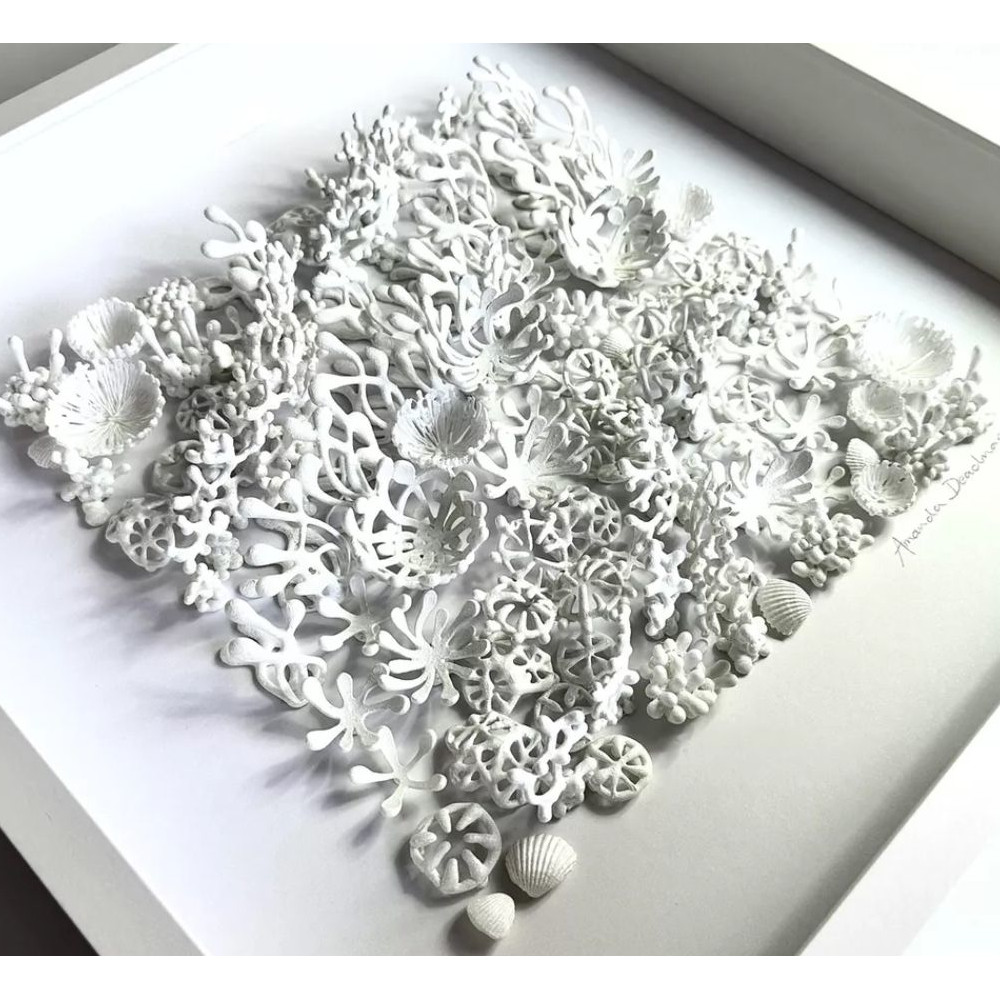
Wall Sculpture: Art That Brings a Space to Life
Wall sculpture sits between painting and sculpture. It is made to be viewed on a wall, but it extends beyond a flat surface, using depth, texture, shape and shadow to change how a space feels. From a subtle relief to a bold, three-dimensional work, wall sculpture can become a striking focal point in a home, gallery or public space.
What is wall sculpture?
Wall sculpture is a broad term for sculptural work designed to hang on or be fixed to a wall. Some pieces are made in relief, with forms that project from a flat background. Others are freestanding objects mounted on a support, or arrangements of separate elements that create a larger composition.
Unlike a conventional picture, a wall sculpture changes as the viewer moves around it. Light catches its surfaces at different angles, while shadows shift throughout the day. This interaction gives the work a sense of movement, even when it is completely still.
Materials, texture and form
Artists make wall sculptures from a wide range of materials, including wood, metal, ceramic, plaster, stone, glass and textiles. Contemporary works may also use found objects, recycled materials or combinations of different media. Each material brings its own character: metal can feel crisp and industrial, while wood may suggest warmth and natural variation.
Texture is often just as important as shape. A rough, layered surface can invite close attention, while polished or reflective finishes respond dramatically to changing light. Colour may be integral to the piece, or the artist may rely on the material itself to create visual interest.
A brief history
Relief sculpture has a long history, appearing in ancient architecture, monuments and decorative objects. Over time, artists explored new ways to bring sculptural forms into domestic and public interiors. In the twentieth century, experimentation with abstraction and modern materials helped establish wall-based sculpture as an art form in its own right.
Today, wall sculpture ranges from intimate, hand-crafted pieces to large-scale installations. It can be decorative, expressive or conceptual, and often blurs the boundary between art and architecture.
Choosing and displaying a wall sculpture
When choosing a piece, consider its scale in relation to the wall and the surrounding furniture. A large work can anchor a room, while a smaller sculpture may reward a closer look. Think about viewing distance, too: intricate details are best appreciated where people can approach safely, while bold forms can hold their own across a larger space.
Lighting can transform the appearance of a sculpture. Directional light emphasises texture and casts expressive shadows, while softer, more even light reveals the work without creating strong contrasts. Before installation, check the sculpture’s weight and fixing requirements, and use suitable wall fittings. For a heavy or valuable piece, professional installation is a sensible choice.
Caring for wall sculpture
Care depends on the materials used. In general, avoid placing a sculpture where it will be exposed to excessive moisture, direct sunlight or sudden temperature changes. Dust gently with a soft, dry cloth or brush, and follow any care guidance supplied by the artist or gallery. Avoid household cleaning products unless they are specifically recommended for the material.
Whether chosen for its craftsmanship, its subject or the way it plays with light, wall sculpture offers a distinctive way to experience art. It adds depth to an interior and encourages viewers to look again as the work shifts with the changing conditions around it.
9 Tips for Choosing, Hanging and Caring for Wall Sculpture
- Choose a wall sculpture that suits the room’s scale.
- Check the wall can support its weight.
- Use secure fixings suited to the wall type.
- Hang it at a comfortable viewing height.
- Leave space around the sculpture so it stands out.
- Consider how light and shadows shape its appearance.
- Balance bold pieces with simpler furnishings.
- Protect delicate materials from damp and direct sunlight.
- Dust gently with a soft, dry cloth.
Choose a wall sculpture that suits the room’s scale.
Choose a wall sculpture that suits the scale of the room and the wall where it will hang. A large piece can make a striking focal point in a spacious area, while a smaller sculpture may feel more at home in a compact room or above a narrow piece of furniture. Consider the surrounding furnishings and leave enough clear space for the work to be appreciated without making the wall feel crowded.
Check the wall can support its weight.
Before hanging a wall sculpture, check that the wall and fixings can safely support its weight. Consider the wall material, the sculpture’s size and how it will be mounted; plasterboard, brick and masonry may require different fixings. For a heavy or valuable piece, seek advice from a professional installer to ensure it is securely fitted.
Use secure fixings suited to the wall type.
Choose secure fixings that are suitable for both the weight of the wall sculpture and the type of wall it will hang on. Plasterboard, brick and masonry each require different fixings, so check the manufacturer’s guidance and use a wall plug or anchor where needed. For a heavy or valuable piece, seek advice from a professional installer to ensure it is safely supported.
Hang it at a comfortable viewing height.
Hang wall sculpture at a comfortable viewing height so it can be appreciated without viewers needing to look up or bend down. As a general guide, place the centre of the piece around eye level, adjusting for its size and the room’s layout. In a hallway or above furniture, consider how people will see it as they move through or use the space.
Leave space around the sculpture so it stands out.
Leave enough space around a wall sculpture to let its shape, texture and shadows take centre stage. Avoid crowding it with furniture, shelves or other artwork, as a clear area of wall helps the piece stand out and gives it room to make an impact.
Consider how light and shadows shape its appearance.
Consider how light and shadows shape the appearance of a wall sculpture. Natural light changes throughout the day, revealing different details and creating shifting patterns, while carefully placed artificial lighting can highlight texture and form. Before hanging the piece, view it from different angles and at different times to find a position that brings out its character.
Balance bold pieces with simpler furnishings.
Balance bold wall sculptures with simpler furnishings to let the artwork take centre stage without making the room feel crowded. Clean lines, understated colours and uncluttered surfaces provide a calm backdrop, allowing the sculpture’s shape, texture and detail to stand out.
Protect delicate materials from damp and direct sunlight.
Protect delicate wall sculptures from damp and direct sunlight to help preserve their materials, colour and finish. Moisture can cause some surfaces to warp, corrode or deteriorate, while prolonged exposure to sunlight may fade pigments and weaken sensitive materials. Display your sculpture in a dry spot away from windows, radiators and other sources of heat, and follow any care advice provided by the artist or gallery.
Dust gently with a soft, dry cloth.
Dust wall sculpture gently with a soft, dry cloth to remove surface dust without damaging the finish. Use light strokes and take care around delicate details, raised textures or fragile fittings. Avoid damp cloths and cleaning products unless the artist or maker recommends them, as these may mark or damage the material.