
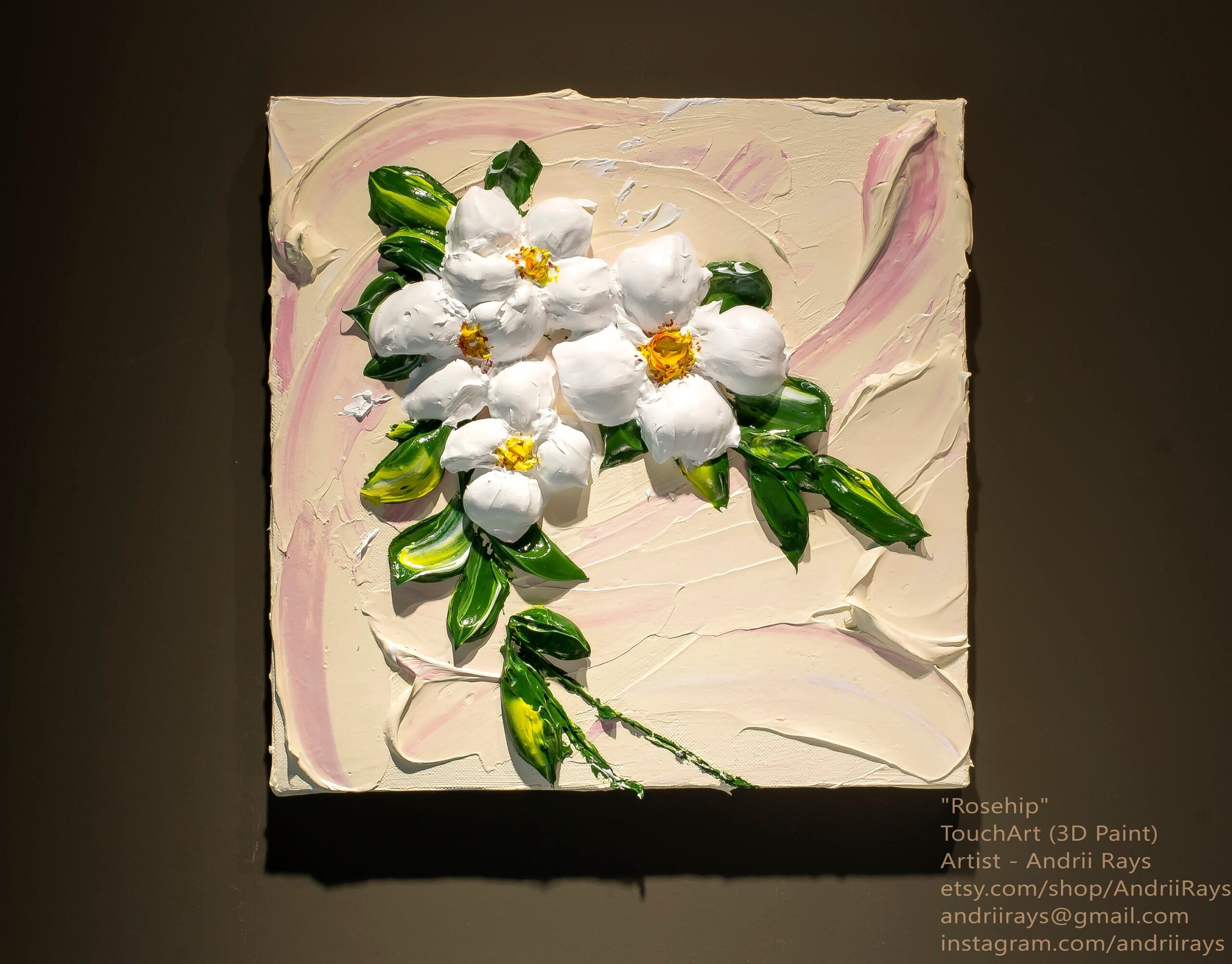
Acrylic Flower Painting: A Guide to Getting Started
Acrylic flower painting is a rewarding way to explore colour, shape and texture. Acrylics dry quickly, work on a variety of surfaces and can be used in both thin, transparent layers and bold, opaque strokes. Whether you are painting a single bloom or a lively garden, the medium offers plenty of room to experiment.
Choose your subject
Begin with a flower that has a clear, recognisable shape. A tulip, sunflower or daisy can be easier to observe than a densely layered bloom. You could work from a fresh flower, a photograph or a simple sketch. Look closely at the overall silhouette, the direction of the petals and the way the light falls across the flower.
Rather than trying to copy every detail, identify the main shapes first. Notice the flower’s centre, the larger petals, the stem and any leaves. This gives your painting a strong foundation before you add smaller details.
Gather your materials
You will need acrylic paints, a suitable surface such as canvas or acrylic paper, and a selection of brushes. A medium flat brush is useful for laying in larger areas, while smaller round brushes help with edges and details. A palette, water pot and cloth or kitchen roll will also come in handy.
A limited palette can make it easier to create a harmonious painting. Choose a few colours for the petals, a green or two for the leaves, and a light and dark colour for mixing. You can create a wide range of shades from a small selection of paints.
Build the painting in layers
Start by lightly marking the main shapes on your surface. Keep the drawing simple and avoid outlining every petal. Next, block in the largest areas of colour, including the background, flower and foliage. At this stage, focus on placement and overall balance rather than fine detail.
Once the first layer is dry, add darker shades to show depth between the petals and beneath the flower’s centre. Then use lighter colours to describe areas catching the light. Acrylic paint dries quickly, so you can build up layers without waiting too long. If you prefer softer transitions, work while the paint is still slightly damp or blend colours directly on the surface.
Use colour and brushwork expressively
Flowers do not need to be painted in perfectly realistic colours. A warm pink can be balanced with a cooler violet, while a touch of yellow may bring brightness to a petal. Try mixing colours rather than using them straight from the tube; this often creates a more natural and unified result.
Brushstrokes can help suggest the structure of a flower. Follow the direction of each petal with your brush, using longer strokes for broad petals and shorter marks for small details. Varying the size and pressure of your strokes adds energy and texture.
Add the finishing details
When the main forms are in place, refine the flower’s centre, add a few veins to the leaves and sharpen selected edges. You do not need to define every part equally. Leaving some areas loose can make the focal flower stand out and keep the painting from feeling overworked.
Before adding a final highlight or dark accent, step back and look at the painting as a whole. Check that the flower is easy to read, the colours work together and the background supports the subject.
Tips for beginners
- Start with a simple flower and a small number of colours.
- Paint the largest shapes before adding details.
- Keep a scrap of paper nearby to test colour mixes and brushstrokes.
- Use less water than you would with watercolour; too much can make acrylic paint difficult to control.
- Let layers dry when you want crisp edges or clean colour.
- Experiment on a separate surface before making changes to a nearly finished painting.
Acrylic flower painting is as much about observation as technique. By simplifying the subject, layering colour and allowing your brushwork to show, you can create a painting that feels lively and personal. Each flower offers a fresh opportunity to explore shape, light and colour.
Acrylic Flower Painting: 6 Frequently Asked Questions
- Do you wet your brush first when painting with acrylic?
- How to paint easy acrylic flowers?
- Why do artists choose not to use acrylic paint?
- What kind of paint do you use for 3d flowers?
- How do you paint simple flowers?
- How do you paint flowers in acrylics?
Do you wet your brush first when painting with acrylic?
When painting with acrylics, you can lightly dampen your brush first, but it should not be dripping wet. A little water helps the paint flow more smoothly and can make blending easier; too much may thin the paint, reduce its coverage or make it harder to control. For bold, opaque flower petals, use a dry or barely damp brush. For softer edges and more fluid strokes, add a small amount of water, or use an acrylic medium to thin the paint while preserving its consistency.
How to paint easy acrylic flowers?
To paint easy acrylic flowers, start with a simple bloom, such as a daisy, and sketch its basic shape lightly on your canvas. Use a medium brush to paint the petals with broad strokes, then add a contrasting colour for the centre and a few green leaves and stems. Let each layer dry before adding highlights or darker details, and don’t worry about making every petal identical—loose, expressive brushstrokes can make your flower feel lively.
Why do artists choose not to use acrylic paint?
Some artists choose not to use acrylic paint because it dries quickly, leaving less time to blend colours or make changes. Its rapid drying can also make it harder to keep paint workable on the palette, while dried acrylic is difficult to remove from brushes and clothing. Artists who prefer subtle colour transitions, a slower working pace or the distinctive qualities of oils or watercolours may find those media better suited to their style. Acrylics can also dry slightly differently in colour or finish from how they appear when wet, so they may take some practice to master.
What kind of paint do you use for 3d flowers?
For 3D flower painting, thick-bodied acrylic paint is a popular choice because it holds its shape when applied in raised strokes or textured petals. Heavy-body acrylics or acrylic modelling paste mixed with paint can create extra dimension, while palette knives, silicone tools or textured brushes help build the petals. Apply the paint in layers and allow each layer to dry as needed; for especially sculptural flowers, check that the surface and materials are suitable for the thickness of the application.
How do you paint simple flowers?
To paint simple flowers, begin with basic shapes: use a circle for the centre and sketch a few petals around it, keeping the outline loose. Block in the main colours with a medium brush, then add darker shades where petals overlap and lighter touches where the light falls. Use a smaller brush for the centre, stems and a few details, but avoid trying to paint every mark. Let each layer dry before adding sharper accents, and remember that simple, confident brushstrokes often make flowers feel lively.
How do you paint flowers in acrylics?
To paint flowers in acrylics, begin by sketching the main shapes lightly, then block in the background and the largest areas of colour. Once these layers are dry, build up the petals and leaves with lighter and darker shades to suggest form, depth and light. Use brushstrokes that follow the direction of the petals, and add details such as the flower’s centre and fine highlights towards the end. Acrylics dry quickly, so work in layers and keep a cloth and water nearby for cleaning your brushes.