
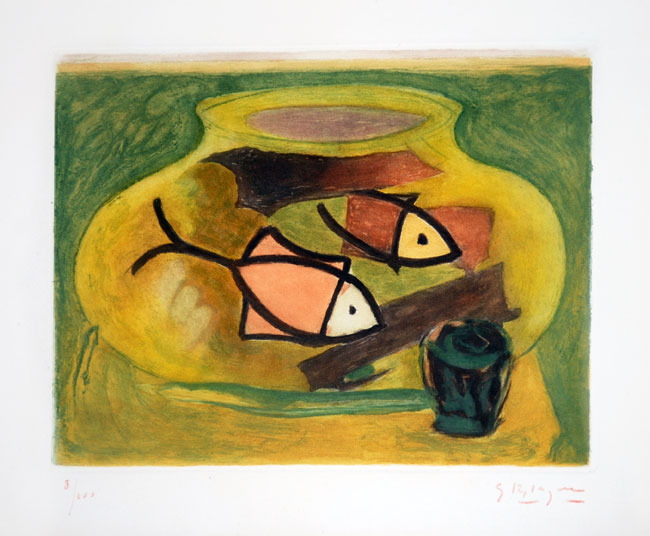
The Beauty of Impressionism Art
Impressionism is a revolutionary art movement that emerged in the 19th century, challenging traditional artistic conventions and paving the way for modern art as we know it today. Characterised by its focus on capturing fleeting moments and impressions of light and colour, Impressionism brought a new sense of vitality and immediacy to the art world.
One of the key features of Impressionist art is its emphasis on depicting scenes from everyday life, often outdoors and with an emphasis on natural light. Artists such as Claude Monet, Pierre-Auguste Renoir, and Edgar Degas were among the pioneers of this movement, seeking to break free from the constraints of academic painting and explore new ways of representing reality.
Impressionist artists used loose brushwork and vibrant colours to create works that conveyed a sense of movement and spontaneity. By capturing the play of light and shadow in their paintings, they were able to evoke a mood or atmosphere that went beyond mere representation.
One of the most famous examples of Impressionist art is Monet’s series of paintings depicting his water lily pond at Giverny. Through his use of bold brushstrokes and shimmering colours, Monet was able to convey not just the physical beauty of the scene but also its emotional resonance.
Impressionism has had a lasting impact on the art world, influencing generations of artists and reshaping our understanding of what art can be. Its celebration of spontaneity, light, and colour continues to inspire artists and viewers alike, reminding us of the power of art to capture moments in time and evoke deep emotional responses.
Whether you are a seasoned art enthusiast or simply curious about exploring new artistic movements, Impressionism offers a rich tapestry of beauty and innovation waiting to be discovered.
Understanding Impressionism: Key Questions and Insights
- What best describes Impressionism?
- What is the difference between Impressionism and Expressionism?
- What is Impressionism as an art?
- Why is it called Impressionism?
- Who is known as the father of Impressionism?
- What are the five characteristics of Impressionism?
What best describes Impressionism?
Impressionism can be best described as a groundbreaking art movement that emerged in the 19th century, challenging traditional artistic norms and techniques. Characterised by its emphasis on capturing fleeting moments and the effects of light and colour, Impressionism sought to convey the artist’s immediate impressions of a scene rather than aiming for meticulous realism. Artists like Claude Monet, Edgar Degas, and Pierre-Auguste Renoir were at the forefront of this movement, using loose brushwork and vibrant colours to create works that exuded vitality and emotion. Impressionism revolutionised the art world by prioritising sensory experiences and subjective interpretations, ushering in a new era of artistic expression that continues to resonate with audiences worldwide.
What is the difference between Impressionism and Expressionism?
One frequently asked question in the realm of art history is the distinction between Impressionism and Expressionism. While both movements emerged as responses to traditional artistic conventions, they differ significantly in their approaches and objectives. Impressionism, pioneered by artists such as Monet and Renoir, sought to capture fleeting moments and impressions of light through loose brushwork and vibrant colours, focusing on scenes from everyday life with an emphasis on natural light. On the other hand, Expressionism, exemplified by artists like Edvard Munch and Egon Schiele, delved into the inner emotional experiences of the artist, using distorted forms and intense colours to convey raw emotions and psychological states. While Impressionism aimed to capture external reality with a sense of immediacy, Expressionism delved deep into the subjective world of the artist’s emotions and psyche, creating works that are powerful in their emotional intensity and raw expression.
What is Impressionism as an art?
Impressionism, as an art movement, is a revolutionary style that emerged in the 19th century, challenging traditional artistic norms and techniques. Characterised by its emphasis on capturing fleeting moments and the effects of light and colour, Impressionism sought to convey the essence of a scene rather than its precise details. Artists like Claude Monet and Edgar Degas were pioneers of this movement, using loose brushwork and vibrant colours to create paintings that exuded energy and spontaneity. Impressionism revolutionised the art world by prioritising subjective interpretations of reality, paving the way for modern art as we know it today.
Why is it called Impressionism?
The term “Impressionism” in art refers to the movement’s name derived from a critical comment made by Louis Leroy, a French art critic, in response to Claude Monet’s painting “Impression, Sunrise.” Leroy used the term “impression” mockingly to describe the painting as unfinished and lacking traditional detail. However, the artists embraced the term and adopted it as a fitting description of their style, which focused on capturing fleeting moments and impressions of light and colour rather than precise details. The name “Impressionism” has since become synonymous with this innovative artistic movement that revolutionised the art world in the 19th century.
Who is known as the father of Impressionism?
The title of “father of Impressionism” is often attributed to the renowned French painter Claude Monet. As one of the leading figures of the Impressionist movement, Monet’s innovative approach to capturing light, colour, and atmosphere in his paintings has had a profound influence on the development of modern art. His dedication to portraying fleeting moments and the essence of nature through bold brushwork and vibrant hues set a new standard for artistic expression and paved the way for future generations of artists to explore new ways of seeing and interpreting the world around them.
What are the five characteristics of Impressionism?
Impressionism, a groundbreaking art movement of the 19th century, is defined by five key characteristics that set it apart from traditional art forms. Firstly, Impressionist artists focused on capturing the fleeting effects of light and colour in their works, often painting outdoors to observe these nuances firsthand. Secondly, they employed loose brushwork and visible brushstrokes to convey a sense of spontaneity and movement in their paintings. Thirdly, Impressionists depicted scenes from everyday life, emphasising ordinary subjects such as landscapes, urban scenes, and leisure activities. Fourthly, they used vibrant colours and a limited palette to create harmonious compositions that reflected the natural world. Lastly, Impressionist artworks often featured unconventional compositions and perspectives, challenging established artistic conventions and inviting viewers to see the world through a fresh lens. These five characteristics combined to revolutionise the art world and continue to inspire artists and art enthusiasts today.