
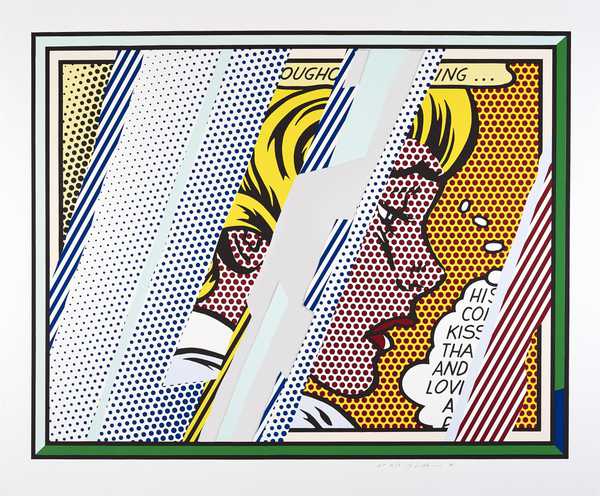
Roy Lichtenstein Artwork: Exploring the Iconic Pop Art
Roy Lichtenstein, an American pop artist, is renowned for his iconic artwork that has left an indelible mark on the world of contemporary art. Born in 1923, Lichtenstein’s unique style and bold use of colours have captivated audiences for decades.
One of his most famous works is “Whaam!” (1963), a diptych painting that showcases a dramatic aerial combat scene inspired by comic book panels. Lichtenstein’s meticulous technique of using Ben-Day dots to mimic the printing process of comic books adds a layer of depth and complexity to his work.
Another notable piece is “Drowning Girl” (1963), where a distressed woman in a melodramatic pose utters the words “I don’t care! I’d rather sink than call Brad for help!” This painting exemplifies Lichtenstein’s exploration of themes such as love, romance, and female identity through the lens of popular culture.
Lichtenstein’s art often features exaggerated emotions, thick black outlines, and vibrant primary colours that pay homage to the aesthetics of mass-produced commercial art. By elevating everyday imagery to the realm of high art, he challenges traditional notions of artistic value and blurs the boundaries between high and low culture.
Throughout his career, Roy Lichtenstein continued to push artistic boundaries and experiment with new techniques. His legacy as a pioneer of pop art remains influential in shaping contemporary art movements and inspiring artists around the world.
Whether you are a seasoned art enthusiast or simply curious about exploring new artistic horizons, Roy Lichtenstein’s artwork offers a vibrant tapestry of visual storytelling that continues to resonate with audiences today.
Exploring Roy Lichtenstein: Frequently Asked Questions About the Iconic Pop Artist
- Who is Roy Lichtenstein?
- What is Roy Lichtenstein known for?
- How would you describe Roy Lichtenstein’s art style?
- What are some famous artworks by Roy Lichtenstein?
- How did Roy Lichtenstein contribute to the pop art movement?
- What techniques did Roy Lichtenstein use in his artwork?
- Where can I see Roy Lichtenstein’s artwork displayed?
- What themes did Roy Lichtenstein explore in his art?
- How has Roy Lichtenstein influenced contemporary art?
Who is Roy Lichtenstein?
Roy Lichtenstein, a prominent figure in the world of contemporary art, was an American pop artist known for his distinctive style that blended elements of popular culture with fine art. Born in 1923, Lichtenstein rose to fame in the 1960s with his iconic paintings inspired by comic strips and advertisements. His bold use of primary colours, thick black outlines, and Ben-Day dots became synonymous with the pop art movement. By reimagining everyday imagery through a unique artistic lens, Lichtenstein challenged traditional notions of art and aesthetics, leaving a lasting impact on the art world. His work continues to be celebrated for its innovative approach and influence on subsequent generations of artists.
What is Roy Lichtenstein known for?
Roy Lichtenstein is renowned for his distinctive contributions to the pop art movement, where he gained fame for his iconic artwork that reimagined comic book imagery in a fine art context. Lichtenstein’s bold use of Ben-Day dots, thick black outlines, and vibrant primary colours became synonymous with his style, capturing the essence of popular culture and consumerism in the 1960s. He is known for challenging traditional artistic conventions by elevating everyday subjects to the realm of high art, thus blurring the boundaries between mass-produced commercial imagery and fine art. Through his innovative approach to visual storytelling and his exploration of themes such as love, romance, and modern society, Roy Lichtenstein has left an enduring legacy that continues to inspire and captivate audiences worldwide.
How would you describe Roy Lichtenstein’s art style?
Roy Lichtenstein’s art style can be best described as a pioneering fusion of fine art and popular culture. Drawing inspiration from comic strips and advertisements, Lichtenstein’s iconic style features bold lines, vibrant colours, and Ben-Day dots to create a visually striking aesthetic reminiscent of printed mass media. By reinterpreting everyday imagery through the lens of high art, he challenges conventional notions of artistic value and blurs the boundaries between traditional and contemporary art forms. Lichtenstein’s meticulous attention to detail and his ability to elevate mundane subjects into profound works of art have solidified his legacy as a trailblazer in the realm of pop art.
What are some famous artworks by Roy Lichtenstein?
Roy Lichtenstein, a prominent figure in the world of pop art, is celebrated for several iconic artworks that have become synonymous with his distinctive style. Some of his most famous pieces include “Whaam!” (1963), a dynamic diptych depicting a dramatic aerial combat scene inspired by comic book imagery, and “Drowning Girl” (1963), which features a distressed woman in a melodramatic pose with the caption “I don’t care! I’d rather sink than call Brad for help!” These artworks exemplify Lichtenstein’s mastery of using Ben-Day dots and bold colours to reinterpret popular culture themes in a visually striking and thought-provoking manner.
How did Roy Lichtenstein contribute to the pop art movement?
Roy Lichtenstein made significant contributions to the pop art movement through his innovative approach to blending popular culture with fine art. By appropriating imagery from comic books and advertisements and reinterpreting them on a large scale, Lichtenstein challenged traditional notions of what constituted art. His use of Ben-Day dots, bold colours, and exaggerated emotions not only captured the essence of mass-produced commercial art but also critiqued the consumerist culture of post-war America. Lichtenstein’s work played a pivotal role in elevating everyday imagery to the status of high art, bridging the gap between popular culture and fine art and influencing a new generation of artists to explore the boundaries of artistic expression.
What techniques did Roy Lichtenstein use in his artwork?
Roy Lichtenstein employed a variety of techniques in his artwork that defined his distinctive style and set him apart as a pioneering figure in the realm of pop art. One of his most notable techniques was the use of Ben-Day dots, a printing technique commonly found in comic books, to create a sense of texture and mimic the mechanical reproduction process. Lichtenstein also incorporated bold, thick black outlines in his compositions, reminiscent of comic book illustrations, which added a graphic and dynamic quality to his work. Additionally, he often utilised vibrant primary colours to enhance the visual impact of his pieces and evoke the aesthetic of mass-produced commercial art. By blending elements of popular culture with fine art techniques, Roy Lichtenstein revolutionised the art world and created a legacy that continues to inspire artists and audiences alike.
Where can I see Roy Lichtenstein’s artwork displayed?
Roy Lichtenstein’s artwork can be found in various prestigious art institutions and museums around the world. Major museums such as the Museum of Modern Art (MoMA) in New York, Tate Modern in London, and the Art Institute of Chicago often feature his iconic pieces in their collections. Additionally, many galleries and art exhibitions worldwide showcase Lichtenstein’s work, providing art enthusiasts with the opportunity to experience his vibrant pop art up close. Whether you are visiting a renowned museum or attending a special exhibition, you are likely to encounter Roy Lichtenstein’s captivating artwork displayed prominently for all to admire and appreciate.
What themes did Roy Lichtenstein explore in his art?
Roy Lichtenstein’s artwork delved into a multitude of themes that reflect the cultural landscape of his time. Through his iconic pop art style, Lichtenstein explored themes such as consumerism, mass media, popular culture, and the blurring of high and low art distinctions. His paintings often featured imagery from comic books, advertising, and everyday objects, highlighting the influence of mass-produced visuals on society. Additionally, Lichtenstein’s works delved into concepts of love, romance, identity, and emotion, presenting a unique perspective on human experiences within the context of modernity. Overall, his art serves as a reflection of the vibrant and dynamic nature of post-war American society while challenging traditional notions of artistic expression.
How has Roy Lichtenstein influenced contemporary art?
Roy Lichtenstein’s profound influence on contemporary art is undeniable, as his innovative approach to blending popular culture with fine art has reshaped the artistic landscape. By reinterpreting comic book imagery through his distinctive style of Ben-Day dots and bold colours, Lichtenstein challenged traditional artistic boundaries and sparked a new wave of creativity. His exploration of mass media, consumerism, and the intersection of high and low culture has inspired generations of artists to experiment with unconventional techniques and subject matter. Lichtenstein’s legacy continues to resonate in contemporary art through his enduring impact on pop art, postmodernism, and the ongoing dialogue between art and popular culture.