
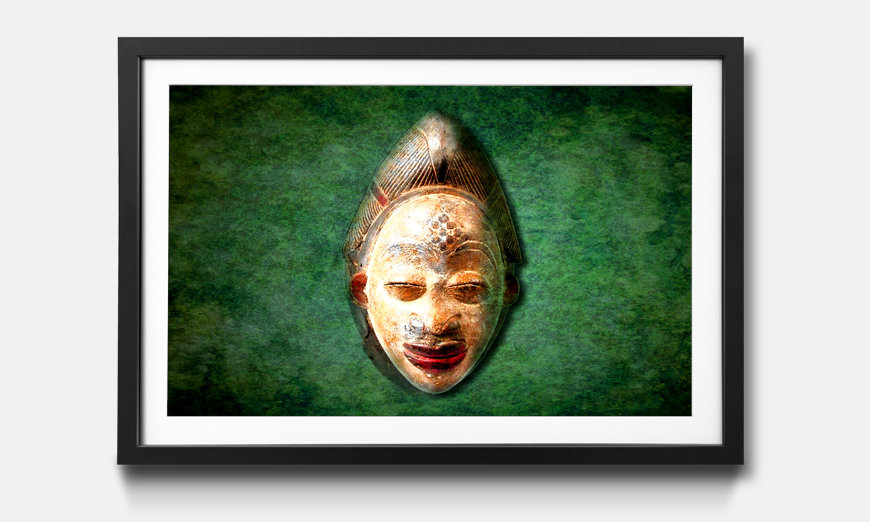
African Framed Wall Art: Colour, Craft and Meaning for Your Home
African framed wall art brings colour, texture and character to an interior. From contemporary paintings and photographic prints to textile-inspired designs and traditional motifs, the category encompasses an extraordinary range of artistic styles. Choosing a piece is an opportunity to introduce a striking focal point while discovering the stories, materials and creative perspectives behind the work.
A continent of diverse artistic traditions
Africa is home to many countries, cultures and artistic traditions, so there is no single style that represents the continent. Artwork may reflect a particular place, community, artist or personal experience. Some pieces draw on local landscapes and everyday life; others explore identity, history, spirituality or modern city living. Contemporary African artists also work across a wide range of media, blending traditional techniques with fresh ideas.
When selecting a work, look beyond broad labels and find out what you can about its artist, subject and origins. A meaningful connection to the piece can make it feel more at home on your wall.
Choosing artwork to suit your space
Consider the mood and palette of the room. Bold, vibrant artwork can enliven a neutral interior, while a quieter composition may bring balance to a room with strong colours or patterns. Earthy tones can complement natural materials such as wood, linen and stone; brighter hues can add contrast and energy.
Scale matters too. A large framed print can anchor a living-room wall, while a smaller piece may work well in a hallway, bedroom or reading nook. For a gallery wall, combine different sizes while keeping a connecting element—such as a shared colour palette, subject or frame finish—to create a considered arrangement.
How framing changes the look
The right frame helps bring artwork together with its surroundings. A simple black, white or natural wood frame can give a contemporary feel, while a deeper frame or mount can add presence and breathing space around the image. The frame should support the artwork rather than compete with it.
For works on paper, a mount can help separate the image from the glazing. If the piece is valuable or particularly important, ask a professional framer about archival materials and suitable protective glazing. This can help reduce the effects of light, dust and environmental changes.
Placement and display tips
- Hang artwork at a comfortable viewing height, taking nearby furniture into account.
- Keep framed pieces away from direct sunlight, radiators and damp areas where possible.
- Use secure fixings suited to the wall type and the weight of the frame.
- For a group of pictures, plan the arrangement on the floor before putting hooks in the wall.
Buying thoughtfully
When buying African framed wall art, consider purchasing directly from artists, galleries or reputable retailers that provide clear information about the creator and the work. Check whether the piece is an original, a limited edition or an open-edition print, and look for details about materials, dimensions and framing. Transparent provenance and fair representation help ensure that artists and their work are properly acknowledged.
A distinctive finishing touch
African framed wall art can make a room feel more personal and inviting. Whether the choice is a vivid contemporary print, a thoughtful portrait or a design inspired by a particular place, the best piece is one that holds meaning and brings lasting pleasure. With careful framing and considered placement, it can become a focal point that adds depth and individuality to the home.
7 Essential Tips for Choosing and Displaying Authentic African Framed Wall Art
- Choose artwork that reflects a specific African culture or artist, not a generic label.
- Check the artist’s name, background and story before buying.
- Pick a frame that complements the artwork without overpowering it.
- Use UV-protective glass to help prevent fading.
- Match the frame size to the wall and surrounding furniture.
- Hang the art away from direct sunlight and damp areas.
- Buy from ethical sellers who credit and fairly pay artists.
Choose artwork that reflects a specific African culture or artist, not a generic label.
Choose African framed wall art with a clear connection to a specific artist, place or cultural tradition, rather than relying on broad, generic labels. Africa is home to many distinct cultures and artistic practices, each with its own stories, materials and visual language. Learning about the artist and the work’s context can help you make a more thoughtful choice, appreciate its meaning and ensure the artist is properly recognised.
Check the artist’s name, background and story before buying.
Before buying African framed wall art, take time to check the artist’s name, background and the story behind the piece. Learning where the artist is from, what inspires their work and what the artwork represents can deepen your appreciation and help you choose something that feels meaningful. It also helps ensure the artist is properly credited and that the work is presented with care and context.
Pick a frame that complements the artwork without overpowering it.
Choose a frame that complements the artwork without overpowering it. A simple finish in a tone drawn from the image can help create a harmonious look, while a contrasting frame may add definition when chosen carefully. Consider the artwork’s colours, style and texture, as well as the room it will hang in; the frame should enhance the piece and give it space to stand out.
Use UV-protective glass to help prevent fading.
Choose UV-protective glass for framed African wall art to help reduce fading caused by sunlight and other sources of ultraviolet light. It offers added protection for colours, prints and works on paper, helping them stay vibrant for longer. For the best results, avoid hanging artwork in direct sunlight, as UV-protective glass cannot block all light-related damage.
Match the frame size to the wall and surrounding furniture.
Match the frame size to the wall and surrounding furniture to create a balanced display. A large piece of African framed wall art can make a striking focal point above a sofa or sideboard, while a smaller frame may suit a narrow wall or compact nook. As a guide, choose artwork that feels in proportion to the furniture beneath it, leaving enough clear space around the frame so the piece can be appreciated without making the area feel crowded.
Hang the art away from direct sunlight and damp areas.
To help preserve your African framed wall art, hang it away from direct sunlight and damp areas. Prolonged sunlight can fade colours, while moisture may damage the artwork, frame or mount. Choose a dry spot with gentle, indirect light so you can enjoy the piece while helping it stay in good condition.
Buy from ethical sellers who credit and fairly pay artists.
Choose ethical sellers who clearly credit the artists and pay them fairly for their work. Look for information about the creator and the artwork’s origins, and favour retailers who are transparent about how pieces are made and sourced. Buying thoughtfully helps support artists and their communities, while giving you a more meaningful connection to the art on your wall.