
The Rich Tapestry of Mexican Artwork
Mexico boasts a vibrant and diverse artistic heritage that spans centuries and reflects a unique fusion of indigenous, European, and contemporary influences. From ancient Mesoamerican art to modern-day masterpieces, Mexican artwork captivates viewers with its bold colours, intricate patterns, and rich symbolism.
One of the most iconic forms of Mexican art is the vibrant and intricate folk art known as “alebrijes.” These fantastical creatures are often carved from wood and painted in bright hues, showcasing the creativity and imagination of Mexican artisans. Alebrijes are not only visually striking but also carry deep cultural significance, representing a blend of reality and fantasy in Mexican folklore.
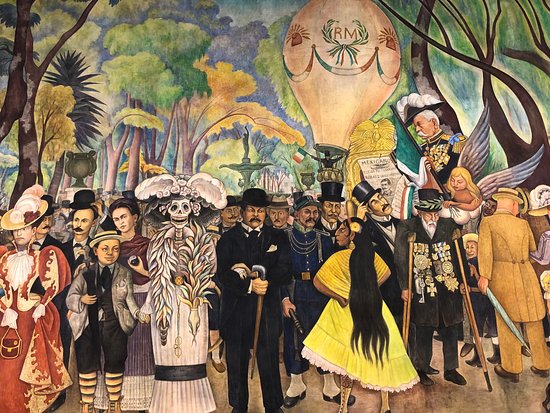
Another celebrated aspect of Mexican artwork is the tradition of muralism, which emerged in the early 20th century as a powerful form of social commentary and political expression. Artists such as Diego Rivera, Jose Clemente Orozco, and David Alfaro Siqueiros used murals to depict Mexico’s history, struggles, and triumphs, creating monumental works that continue to inspire awe and contemplation.
Contemporary Mexican artists also contribute to the country’s artistic landscape with their innovative approaches and diverse styles. From surrealism to abstraction, Mexican art today reflects a dynamic fusion of traditional techniques with modern sensibilities. Artists like Frida Kahlo, Rufino Tamayo, and Gabriel Orozco have gained international acclaim for their thought-provoking works that challenge conventions and push boundaries.
Whether exploring the ancient ruins of Teotihuacan or strolling through the galleries of Mexico City’s vibrant art scene, one cannot help but be immersed in the rich tapestry of Mexican artwork. Each brushstroke tells a story, each colour conveys emotion, inviting viewers to delve deeper into Mexico’s artistic heritage and appreciate the beauty that emerges from its diverse cultural fabric.
Exploring the Rich Tapestry of Mexican Artwork: 8 Tips for Appreciating Its Vibrant Heritage
- Mexican artwork is known for its vibrant colours and intricate designs.
- Famous Mexican artists include Frida Kahlo, Diego Rivera, and Rufino Tamayo.
- Traditional Mexican art often features motifs such as skulls, flowers, and religious symbols.
- Mexican folk art includes crafts like pottery, textiles, and alebrijes (brightly coloured sculptures).
- The Day of the Dead (Día de los Muertos) is a significant theme in Mexican art, celebrated with colourful altars and sugar skulls.
- Mexican muralism is a prominent artistic movement that emerged after the Mexican Revolution, with murals by artists like Diego Rivera adorning public spaces.
- Contemporary Mexican artists blend traditional techniques with modern influences to create unique artworks that reflect Mexico’s rich cultural heritage.
- Visiting museums and galleries in Mexico is a great way to explore the diverse range of Mexican artwork throughout history.
Mexican artwork is known for its vibrant colours and intricate designs.
Mexican artwork is renowned for its vibrant palette of colours and intricate designs that captivate the eye and evoke a sense of energy and passion. From the bold reds and blues to the intricate patterns that adorn traditional pieces, Mexican art reflects a rich cultural heritage that celebrates life, history, and creativity. The use of vibrant hues in Mexican artwork not only adds visual appeal but also conveys a deep sense of emotion and vitality, making each piece a dynamic expression of the country’s artistic spirit.
Famous Mexican artists include Frida Kahlo, Diego Rivera, and Rufino Tamayo.
Renowned for their distinctive styles and profound artistic contributions, famous Mexican artists such as Frida Kahlo, Diego Rivera, and Rufino Tamayo have left an indelible mark on the world of art. Frida Kahlo’s emotive self-portraits, imbued with raw emotion and symbolism, continue to captivate audiences with their intimate portrayal of pain and resilience. Diego Rivera’s monumental murals, depicting Mexico’s history and social struggles, stand as powerful testaments to his commitment to social justice and cultural heritage. Rufino Tamayo’s vibrant and abstract compositions offer a unique perspective on Mexican art, blending traditional influences with modernist sensibilities. Together, these artists exemplify the rich diversity and creativity that define Mexican artwork on the global stage.
Traditional Mexican art often features motifs such as skulls, flowers, and religious symbols.
Traditional Mexican art is characterised by a rich tapestry of motifs that hold deep cultural significance. From intricate skulls symbolising the cycle of life and death to vibrant flowers representing beauty and rebirth, these motifs serve as visual metaphors that resonate with viewers on a profound level. Additionally, religious symbols woven into Mexican artwork reflect the country’s strong spiritual heritage, with icons like the Virgin of Guadalupe and crosses appearing as recurring themes. Through these symbolic elements, traditional Mexican art not only showcases artistic skill but also serves as a reflection of the country’s history, beliefs, and values.
Mexican folk art includes crafts like pottery, textiles, and alebrijes (brightly coloured sculptures).
Mexican folk art is a testament to the country’s rich cultural heritage, encompassing a wide array of traditional crafts such as pottery, textiles, and alebrijes – brightly coloured sculptures that captivate with their intricate designs and vibrant hues. Each piece of Mexican folk art reflects the unique artistic sensibilities and craftsmanship of its creators, showcasing a deep connection to Mexico’s history, traditions, and folklore. From the earthy tones of pottery to the intricate patterns of textiles and the whimsical charm of alebrijes, Mexican folk art embodies a spirit of creativity and resilience that continues to enchant admirers around the world.
The Day of the Dead (Día de los Muertos) is a significant theme in Mexican art, celebrated with colourful altars and sugar skulls.
The Day of the Dead (Día de los Muertos) holds a significant place in Mexican artwork, serving as a poignant and vibrant theme that is rich in cultural symbolism. This traditional celebration is brought to life through colourful altars adorned with marigolds, candles, and photographs of loved ones who have passed away. Sugar skulls, intricately decorated with bright hues and intricate patterns, are a central element of this festive occasion, representing both the sweetness of life and the acceptance of mortality. Mexican artists skillfully capture the essence of Día de los Muertos in their work, infusing it with reverence, beauty, and a deep connection to ancestral traditions.
Mexican muralism is a prominent artistic movement that emerged after the Mexican Revolution, with murals by artists like Diego Rivera adorning public spaces.
Mexican muralism stands as a significant artistic movement that blossomed in the wake of the Mexican Revolution, showcasing monumental murals by renowned artists such as Diego Rivera that grace public spaces with their powerful narratives and social commentary. These larger-than-life artworks not only reflect the tumultuous history of Mexico but also serve as a testament to the enduring spirit and resilience of its people. Through vibrant colours and intricate details, Mexican muralism captures the essence of a nation in transition, inviting viewers to engage with its rich cultural tapestry and profound messages of unity and transformation.
Contemporary Mexican artists blend traditional techniques with modern influences to create unique artworks that reflect Mexico’s rich cultural heritage.
Contemporary Mexican artists skillfully intertwine traditional artistic methods with contemporary influences, resulting in a diverse array of artworks that serve as a testament to Mexico’s vibrant cultural legacy. By infusing age-old techniques with modern perspectives, these artists craft pieces that not only pay homage to their heritage but also push the boundaries of artistic expression. The fusion of tradition and innovation in their creations offers viewers a captivating glimpse into the dynamic evolution of Mexican art, where each brushstroke and colour choice serves to celebrate the country’s colourful and multifaceted cultural tapestry.
Visiting museums and galleries in Mexico is a great way to explore the diverse range of Mexican artwork throughout history.
Visiting museums and galleries in Mexico provides a captivating opportunity to delve into the rich tapestry of Mexican artwork throughout history. From ancient Mesoamerican artefacts to contemporary masterpieces, these cultural institutions offer a comprehensive insight into the diverse range of artistic expressions that have shaped Mexico’s vibrant artistic landscape. By immersing oneself in the exhibitions and collections on display, visitors can appreciate the evolution of Mexican art, from its indigenous roots to its modern manifestations, and gain a deeper understanding of the country’s cultural heritage and creative legacy.