
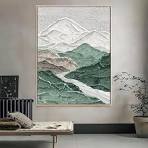
The Beauty of Textured Art
Textured art is a form of artistic expression that goes beyond traditional painting techniques. By incorporating various materials and creating tactile surfaces, artists can add depth, dimension, and a sense of realism to their work.
One of the most captivating aspects of textured art is the way it engages multiple senses. When you look at a textured painting, you not only see the colours and shapes but also feel the roughness or smoothness of the surface. This sensory experience adds a whole new layer of richness to the artwork.
Artists use a variety of tools and techniques to create texture in their pieces. Some may apply thick layers of paint with palette knives or brushes, while others might incorporate elements like sand, paper, or fabric to build up different textures on the canvas.
Textured art can evoke a wide range of emotions in viewers. The rough texture of a rocky landscape can transport you to a rugged mountain peak, while the soft brushstrokes on a floral arrangement can make you feel as if you’re walking through a serene garden.
Whether it’s abstract or representational, textured art has a unique ability to draw viewers in and invite them to explore not just with their eyes but with their hands as well. The interplay between light and shadow on textured surfaces creates dynamic visual effects that change depending on the viewing angle.
Next time you encounter a piece of textured art, take a moment to appreciate the artist’s skill in creating such intricate surfaces. Let your fingers trace the contours and crevices, allowing yourself to fully immerse in the tactile beauty that textured art offers.
Exploring Textured Art: Techniques, Materials, and Aesthetic Impact
- What is textured art?
- How do artists create texture in their artwork?
- What materials are commonly used to add texture to paintings?
- What effects can textured art achieve that traditional painting cannot?
- Are there different techniques for creating texture in art?
- How does the use of texture impact the overall aesthetic of a piece?
- Can textured art be appreciated by visually impaired individuals?
What is textured art?
Textured art refers to a form of artistic expression that involves incorporating various materials and techniques to create tactile surfaces in artworks. Artists use methods such as applying thick layers of paint, using palette knives, incorporating elements like sand or fabric, or employing mixed media to build up textures on the canvas. The result is artwork that not only engages the sense of sight but also touch, adding depth and dimension to the piece. Textured art allows viewers to experience the artwork in a more sensory way, inviting them to explore and appreciate the physicality and richness of the surface created by the artist’s skilled hands.
How do artists create texture in their artwork?
Artists employ a myriad of techniques to infuse their artwork with texture, offering a sensory experience that transcends mere visual appeal. From applying thick layers of paint using palette knives to incorporating unconventional materials like sand or fabric, artists manipulate surfaces to evoke depth and dimension in their pieces. By skillfully varying brushstrokes, employing mixed media, or experimenting with different tools, artists bring their creations to life with tactile richness. The careful interplay of light and shadow on these textured surfaces adds a dynamic quality to the artwork, inviting viewers to engage not just visually but also through touch, creating a truly immersive artistic experience.
What materials are commonly used to add texture to paintings?
In the realm of textured art, artists often employ a diverse array of materials to imbue their paintings with depth and tactile interest. Commonly used materials to add texture to paintings include acrylic mediums, modelling paste, sand, fabric, paper, and even natural elements like leaves or twigs. These materials are strategically applied to the canvas using various techniques such as impasto (thickly layered paint), collage, or mixed media approaches. By incorporating these textures into their work, artists can create captivating surfaces that not only visually stimulate but also invite viewers to engage with the artwork on a sensory level.
What effects can textured art achieve that traditional painting cannot?
Textured art introduces a dimension of tactile engagement that traditional painting often lacks. By incorporating various materials and techniques to create physical texture on the surface, textured art can evoke a sense of depth, movement, and realism that goes beyond what can be achieved with flat paint alone. The interplay of light and shadow on textured surfaces adds dynamic visual interest, creating a multi-sensory experience for viewers. Additionally, the unique textures in textured art can convey emotions and narratives in a more tangible way, inviting viewers to not only see but also feel the artwork. This tactile quality allows for a deeper connection between the viewer and the piece, offering a richer and more immersive artistic experience that traditional painting may not always provide.
Are there different techniques for creating texture in art?
In the realm of textured art, the question of whether there are different techniques for creating texture is a common inquiry among art enthusiasts and aspiring artists alike. The answer is a resounding yes – artists employ a myriad of techniques to achieve texture in their work. From impasto painting with thick layers of paint to collage with mixed media, each method offers a unique way to add depth and tactile interest to a piece. Whether it’s through scraping, stippling, or using unconventional materials, the diverse range of techniques available allows artists to experiment and push the boundaries of traditional artistic expression in captivating ways.
How does the use of texture impact the overall aesthetic of a piece?
The use of texture in art plays a crucial role in shaping the overall aesthetic of a piece. Texture adds depth, visual interest, and a sense of realism to artwork, creating a dynamic interplay between light and shadow that can evoke different emotions and responses from viewers. Whether it’s smooth and glossy or rough and tactile, texture can influence how we perceive and engage with a piece of art. The incorporation of varied textures can enhance the mood, convey meaning, and draw attention to specific elements within the composition, ultimately contributing to the richness and complexity of the artistic experience.
Can textured art be appreciated by visually impaired individuals?
Textured art holds a unique potential to be appreciated by visually impaired individuals through tactile exploration. By utilising various textures and materials in their creations, artists can provide a rich sensory experience that transcends visual limitations. The tactile nature of textured art allows those with visual impairments to engage with the artwork through touch, feeling the intricate details and surfaces that convey depth and emotion. This tactile interaction opens up a new avenue for experiencing art, enabling visually impaired individuals to connect with and appreciate the beauty of textured pieces in a profound and meaningful way.