
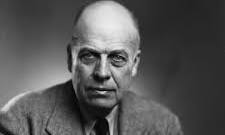
The Enigmatic World of Hopper: Exploring the Artistry of a Master
Edward Hopper, an iconic American realist painter, is renowned for his captivating depictions of urban and rural scenes that evoke a sense of solitude and introspection. Born in 1882, Hopper’s work continues to intrigue and inspire art enthusiasts around the world.
Hopper’s distinctive style often features stark lighting, geometric compositions, and a sense of isolation that invites viewers to ponder the deeper narratives within his paintings. His most famous work, “Nighthawks,” exemplifies his ability to capture the essence of urban life while imbuing it with a sense of mystery and melancholy.
Throughout his career, Hopper explored themes of alienation, longing, and the complexities of human relationships. His keen eye for detail and mastery of light and shadow create an atmosphere that is both haunting and familiar.
While Hopper’s subject matter may appear mundane at first glance – diners, gas stations, lighthouses – his ability to infuse these scenes with emotion and depth sets him apart as a true master of his craft. Each painting tells a story, inviting viewers to contemplate the hidden narratives that lie beneath the surface.
Edward Hopper’s legacy continues to endure as his works remain timeless reflections of the human experience. Whether capturing the quiet moments of everyday life or exploring the vast landscapes of America, Hopper’s artistry transcends mere representation to evoke profound emotions in those who engage with his paintings.
Exploring Edward Hopper: Key Questions About the Renowned Artist and His Work
- Who was Edward Hopper?
- What is Edward Hopper known for?
- Where was Edward Hopper born?
- What inspired Edward Hopper’s art?
- What are some famous paintings by Edward Hopper?
- How would you describe Edward Hopper’s style?
- What themes did Edward Hopper explore in his art?
- What is the significance of ‘Nighthawks’ in Edward Hopper’s body of work?
Who was Edward Hopper?
Edward Hopper was an influential American realist painter born in 1882, known for his iconic depictions of urban and rural scenes that convey a profound sense of solitude and introspection. His unique style, characterized by stark lighting, geometric compositions, and a palpable atmosphere of isolation, has solidified his reputation as a master of capturing the complexities of the human experience. Through his evocative paintings, such as the renowned “Nighthawks,” Hopper invites viewers to delve into the hidden narratives within seemingly ordinary settings, exploring themes of alienation, longing, and the enigmatic nature of human relationships. Edward Hopper’s enduring legacy lies in his ability to infuse everyday scenes with emotion and depth, creating timeless reflections that continue to resonate with audiences worldwide.
What is Edward Hopper known for?
Edward Hopper is primarily known for his iconic realist paintings that capture the essence of American urban and rural life with a sense of solitude and contemplation. His distinctive style, characterized by stark lighting, geometric compositions, and a feeling of isolation, has made him a revered figure in the art world. Hopper’s most famous work, “Nighthawks,” exemplifies his ability to convey complex emotions and narratives through seemingly ordinary scenes. He is celebrated for his exploration of themes such as alienation, longing, and the human condition, creating timeless artworks that continue to resonate with audiences worldwide.
Where was Edward Hopper born?
Edward Hopper, the acclaimed American realist painter known for his evocative and introspective works, was born on July 22, 1882, in Nyack, New York. This picturesque town along the Hudson River served as the backdrop for Hopper’s formative years and undoubtedly influenced his artistic sensibilities. Nyack’s serene landscapes and quiet charm can be seen echoed in Hopper’s later paintings, which often depict scenes of solitude and contemplation amidst everyday settings.
What inspired Edward Hopper’s art?
Edward Hopper’s art was deeply inspired by his observations of the world around him, particularly the urban and rural landscapes of America. Known for his keen eye for light and shadow, Hopper found inspiration in the interplay of sunlight on buildings, streets, and figures. His paintings often reflect a sense of solitude and introspection, hinting at the complexities of human emotion and relationships. Additionally, Hopper drew inspiration from literature, film noir, and his own personal experiences, all of which contributed to the enigmatic narratives woven into his works. This diverse range of influences shaped Hopper’s distinctive style and cemented his reputation as a masterful chronicler of the human condition.
What are some famous paintings by Edward Hopper?
Edward Hopper, the acclaimed American realist painter, is celebrated for a plethora of iconic works that have left an indelible mark on the art world. Among his most famous paintings are “Nighthawks,” a quintessential representation of urban isolation and contemplation, “Automat,” which captures a moment of solitude in a bustling city setting, and “Morning Sun,” a poignant portrayal of domestic life suffused with quiet introspection. These renowned pieces exemplify Hopper’s mastery in depicting the nuances of human emotion and the evocative power of everyday scenes.
How would you describe Edward Hopper’s style?
Edward Hopper’s style can be best described as a masterful blend of realism and introspection. Characterised by stark lighting, geometric precision, and a profound sense of isolation, Hopper’s paintings convey a unique mood that prompts viewers to contemplate the deeper narratives within his work. His keen attention to detail, coupled with his ability to capture the essence of urban and rural landscapes, sets him apart as a true visionary in the realm of American art. Hopper’s ability to infuse seemingly mundane scenes with emotion and depth creates an atmosphere that is both haunting and evocative, leaving a lasting impact on those who engage with his art.
What themes did Edward Hopper explore in his art?
Edward Hopper, the acclaimed American realist painter, delved into a myriad of profound themes within his artistry. Through his captivating paintings, Hopper masterfully captured the essence of urban and rural solitude, exploring themes of alienation, longing, and the complexities of human relationships. His keen observation of light and shadow, coupled with his meticulous attention to detail, imbued his works with a sense of mystery and melancholy that invite viewers to contemplate the deeper narratives within each piece. Hopper’s ability to infuse seemingly mundane scenes with emotion and depth sets him apart as a visionary artist whose legacy continues to resonate with audiences worldwide.
What is the significance of ‘Nighthawks’ in Edward Hopper’s body of work?
The significance of ‘Nighthawks’ in Edward Hopper’s body of work lies in its iconic status as a quintessential representation of urban loneliness and existential contemplation. This masterpiece encapsulates Hopper’s ability to capture the essence of modern life through a single scene, portraying four figures in a late-night diner bathed in stark artificial light. The painting’s composition, use of light and shadow, and the enigmatic expressions of the characters all contribute to a sense of isolation and introspection that is characteristic of Hopper’s oeuvre. ‘Nighthawks’ not only showcases Hopper’s technical prowess but also serves as a poignant commentary on the human condition, inviting viewers to delve into the complexities of urban existence and the universal themes of solitude and longing.