
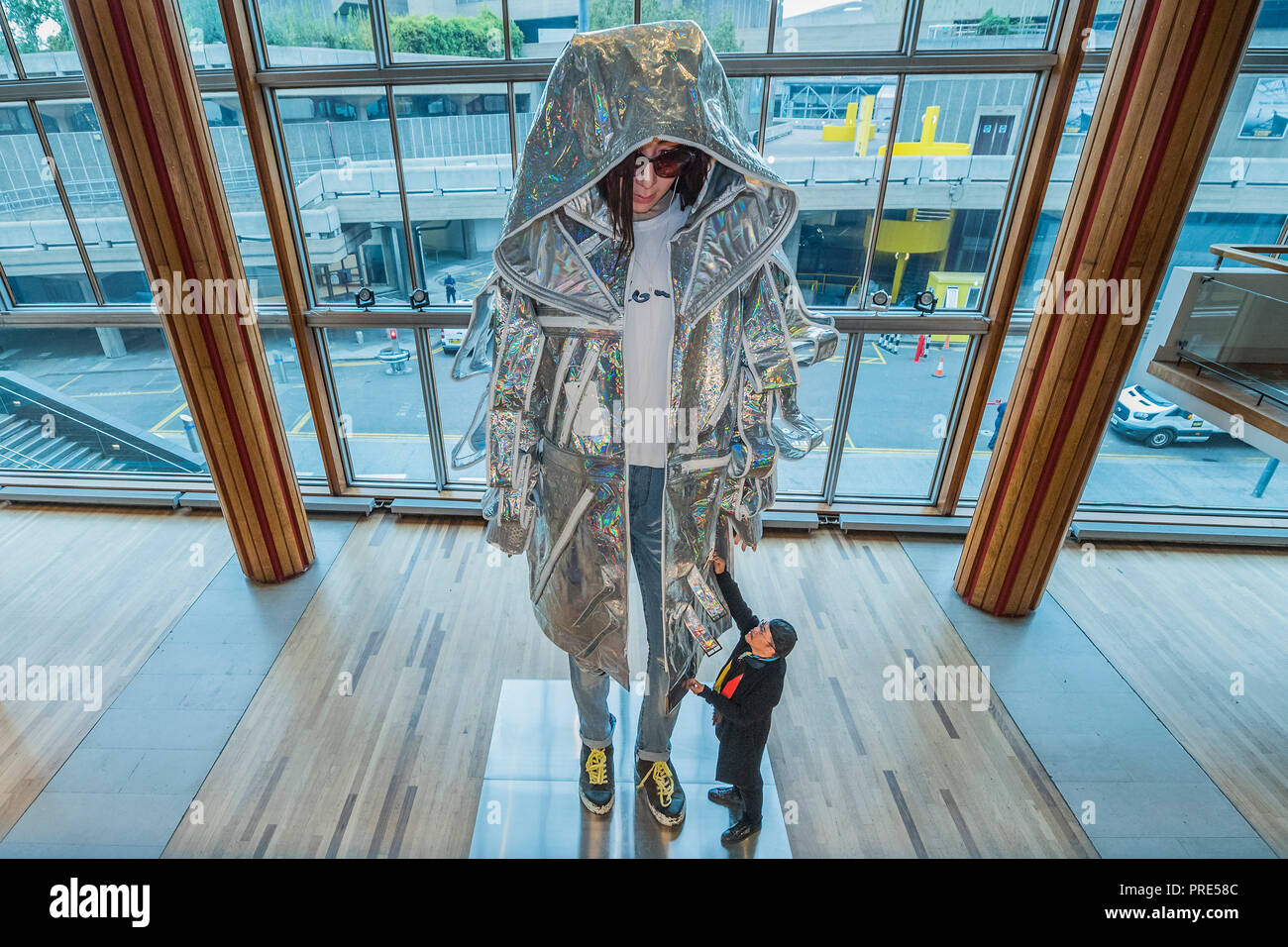
Large-Scale Art: Making a Lasting Impression
Large-scale art has the power to change the way we experience a space. A monumental sculpture in a public square, a sweeping mural across a building or a generously sized painting in a home can command attention and invite viewers to see their surroundings differently. By working on a grand scale, artists create opportunities for bold gestures, immersive experiences and meaningful connections with an audience.
What is large-scale art?
Large-scale art describes work whose dimensions or setting give it a substantial physical presence. It may include paintings, murals, sculptures, installations and site-specific pieces. Some works are designed for galleries, while others are made for homes, workplaces or public spaces.
Scale is not simply a matter of size. It affects how a work is viewed and how people move around it. A large painting might be seen from across a room before its details become clear up close. A sculpture may encourage visitors to walk around it, while an installation can place them within the artwork itself.
The impact of working on a larger scale
Large works can create a powerful first impression, but their impact often goes beyond spectacle. Expansive surfaces allow artists to explore gesture, colour, texture and detail in ways that may be less apparent in smaller pieces. Viewers can take in the whole composition from a distance, then discover new elements as they approach.
In public settings, large-scale art can also help shape a sense of place. A mural may bring character to a street, while a sculpture can become a familiar meeting point. When a work responds to its surroundings, it can encourage people to look more closely at the history, architecture or natural environment around them.
Choosing art for a space
When selecting a large artwork, consider the room or site as carefully as the piece itself. The dimensions of the work should feel appropriate to its setting, with enough space for it to be viewed comfortably. In a home, a substantial painting can anchor a living room or hallway; in a public building, a sculpture may need to be visible from several angles and at different distances.
Light, colour and architecture matter, too. Natural and artificial light can alter how colours appear, while the artwork’s palette and materials may complement or contrast with the surrounding space. It is also worth thinking about how people will move through the area and whether the work needs particular installation or maintenance.
Creating and installing large-scale work
Large-scale projects often involve careful planning. Artists may need to consider materials, structural support, transport and installation well before a work is complete. Murals and site-specific artworks can require collaboration with property owners, architects, fabricators or local communities. Practical decisions are part of the creative process: the setting can influence the work’s size, form and materials.
For collectors, installing a large painting or sculpture may call for professional advice. Wall strength, access routes, framing and lighting can all affect how successfully the work is displayed. Planning ahead helps protect the artwork and allows it to be appreciated as intended.
A different way to experience art
Large-scale art invites viewers to engage with art physically as well as visually. Its presence can alter a room, transform a public space or offer a moment of pause in a busy environment. Whether created for a gallery, a home or the open air, a large work can make its surroundings feel newly considered.
Ultimately, the appeal of large-scale art lies not only in its dimensions, but in the experience it creates. Through scale, artists can command attention, reveal detail and bring people into closer conversation with a place, an idea or an emotion.
Exploring Large Scale Art: Answers to Common Questions on Types, Sizes, and Benefits
- What are the 4 types of art?
- What is the largest piece of art?
- What does scale in art mean?
- What is large artwork called?
- What is considered a large piece of art?
- What size is large format art?
- What are the benefits of large scale art?
- What is a large scale art?
What are the 4 types of art?
There is no single definitive list of the four types of art, but a common way to group visual art is painting, sculpture, architecture and printmaking. These forms can all be created on a large scale, from expansive paintings and monumental sculptures to murals integrated into buildings and oversized prints. Contemporary art also includes forms such as installation and digital art, so the categories often overlap and evolve.
What is the largest piece of art?
There is no single agreed answer to what the largest piece of art is, as it depends on how “largest” is measured and what counts as one artwork. By area, some enormous land artworks and murals cover vast stretches of ground or buildings; by height or volume, monumental sculptures may be larger still. One often-cited example is *The Freshwater Whale*, a 200-metre-long land artwork created by Finnish artist Tapio Haaja. The title of “largest” can change as new works are made, so it is best to compare artworks by a specific measure, such as length, height or surface area.
What does scale in art mean?
Scale in art refers to the size of an artwork in relation to the people, objects or space around it. Artists use scale to shape how a work is experienced: a large-scale piece can feel immersive and commanding, while a smaller work may encourage close, intimate viewing. Scale can also be used to create contrast, emphasise a subject or alter the viewer’s sense of perspective.
What is large artwork called?
Large artwork is commonly described as “large-scale art” or a “large-scale artwork”. Depending on its form and setting, it may also be called a mural, an installation or a monumental artwork. “Monumental” usually refers to work that is especially imposing or made for a public space, while “oversized” is often used for a piece that is larger than expected for its setting.
What is considered a large piece of art?
There’s no fixed size that makes a piece of art “large”; it depends on its proportions and setting. As a general guide, a work around 90 cm or more in height or width is often considered large, while pieces over 120 cm can make a particularly strong statement. A painting may feel large in a compact room but modest in a spacious gallery, so consider how it relates to the wall, furniture and viewing distance.
What size is large format art?
There is no fixed size that defines large-format art, as it depends on the artwork and the space in which it will be displayed. Generally, a piece measuring around 100 cm or more across one dimension may be considered large format, while oversized works can extend several metres. The key is how the artwork relates to its surroundings and the viewing distance.
What are the benefits of large scale art?
Large-scale art can transform a space, creating a striking focal point and setting its mood. Its size allows viewers to appreciate the work from a distance while discovering finer details up close, making the experience more immersive. In public spaces, large artworks can give a place a distinctive identity and bring people together; at home, they can add character, colour and a strong personal statement.
What is a large scale art?
Large-scale art is artwork created on a substantial physical scale, such as a monumental painting, mural, sculpture or installation. Its size can make a strong visual impact, transform the space around it and encourage people to experience the work from different viewpoints.